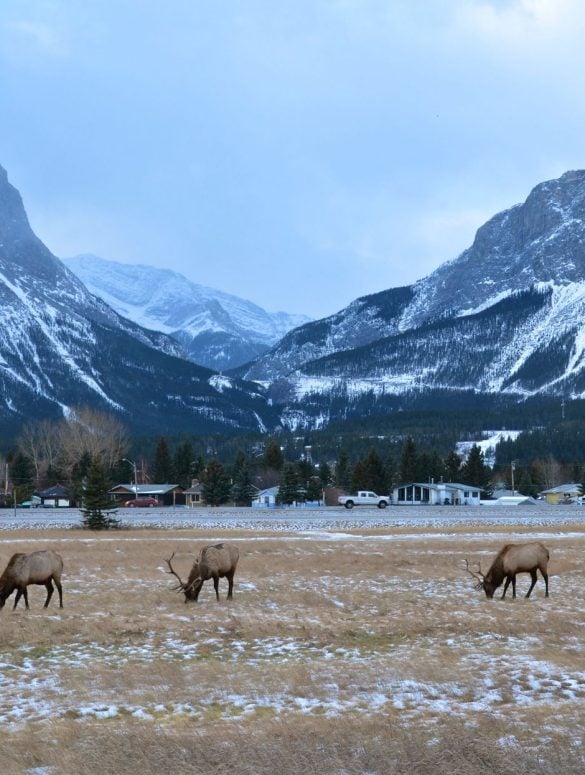
Yellowstone and Grand Teton National Parks offer some of the most reliable wildlife viewing tours in North America, with wolves, grizzly bears, bison, and elk sharing a landscape of geysers, river valleys, and alpine peaks. Spotting these animals on a self-planned trip takes patience and a fair bit of luck, while an expert guide narrows the search window considerably. Bindlestiff Tours builds its Yellowstone and Grand Teton itineraries around that idea, pairing small groups with guides who track seasonal animal movement across both parks.
Native Habitat and Terrain Across Yellowstone and Grand Teton
Yellowstone is described on Bindlestiff Tours‘ own tour pages as a mountain wilderness home to grizzly bears, wolves, and herds of buffalo and elk. Grand Teton adds its own layer, with abundant wildlife set against gorgeous lakes and dramatic mountain peaks. Together, the two parks give guided groups a wide stretch of terrain to work with when timing matters most for an encounter. Guides pace each day around that terrain, which is why wildlife viewing tours sit at the center of the itineraries rather than functioning as a side activity along a drive.
Wolf Tracking Excursions in Yellowstone National Park
A distinctive inclusion on the 5 Day Yellowstone and Grand Teton National Park In Depth hotel-based tour is a dedicated Wolf Tracking excursion, paired with a local Wolf Tracking Expert on an early morning outing inside the park. This itinerary departs from Bozeman, Montana, and runs on a hotel basis for its full length, which gives the schedule more room for both that excursion and a separate wildlife-watching day. Guests on the excursion learn about Yellowstone’s known wolf packs while attempting to view and track them directly within park boundaries. This structured, expert-led approach is what separates a guided wolf tracking morning from simply driving through the park and hoping for a sighting.
Grizzly Bears, Bison, and Elk: Native Fauna Across Both Parks
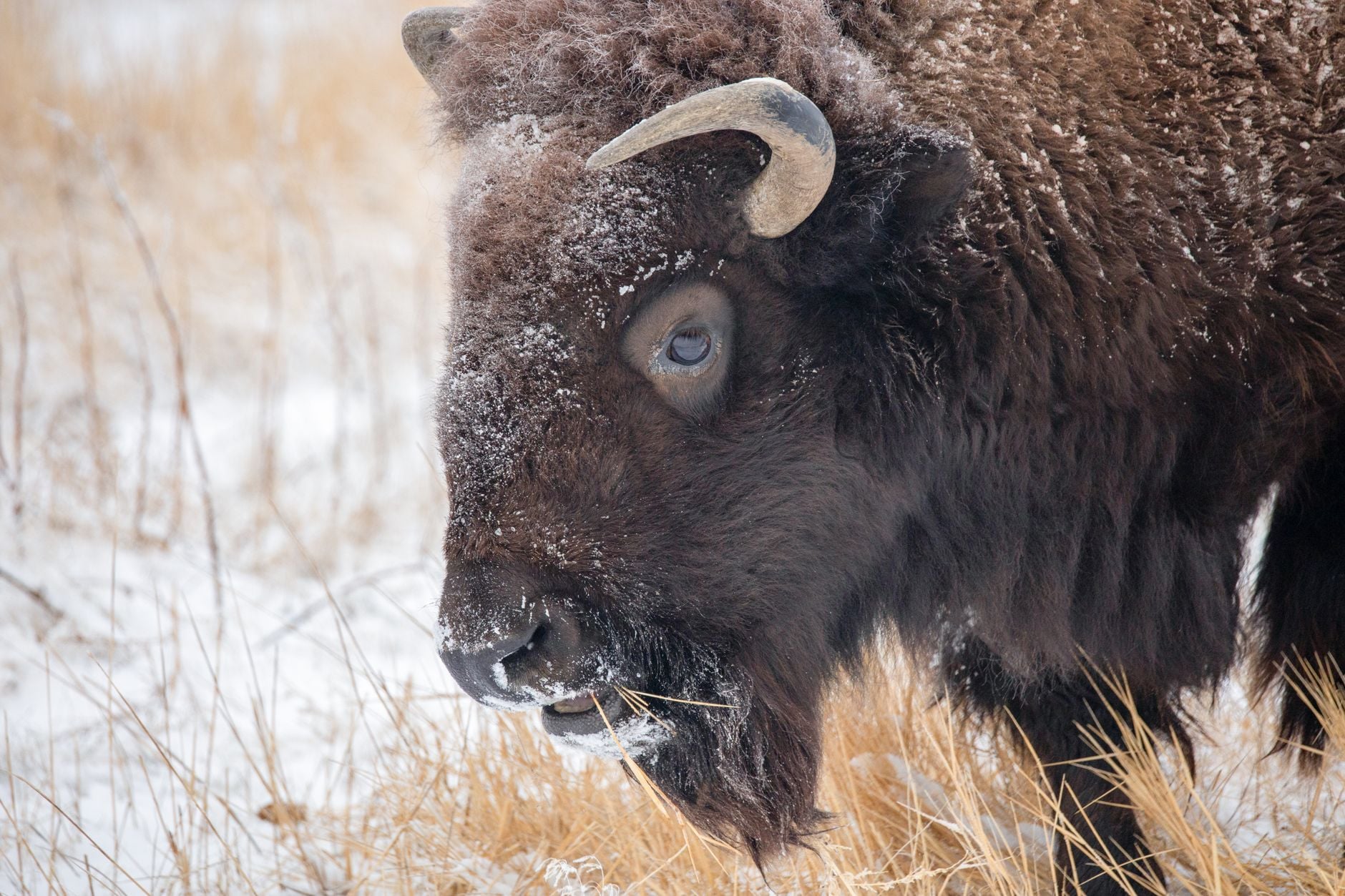
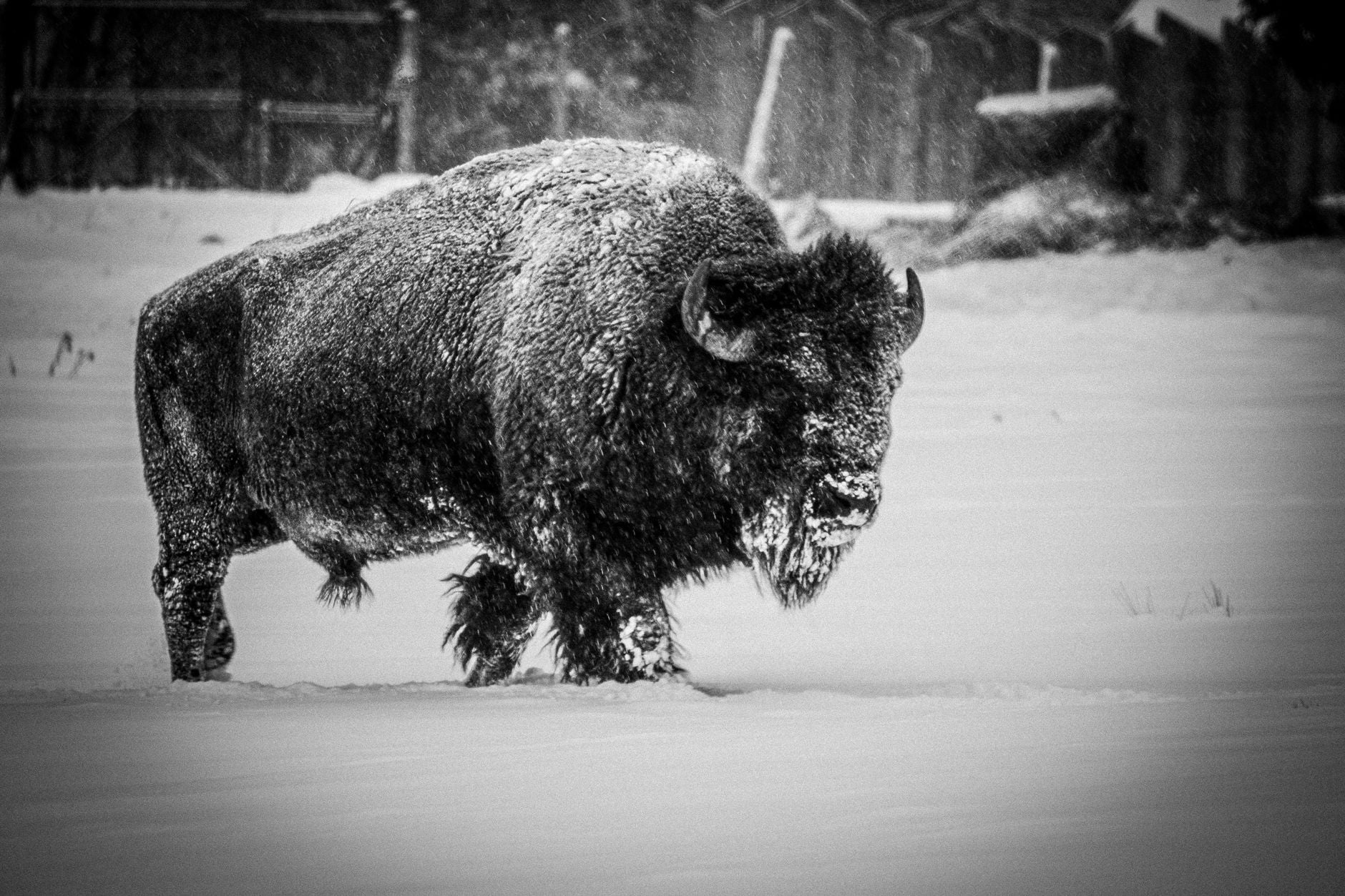
Beyond wolves, the hotel-based Yellowstone and Grand Teton tour specializes in the region’s native flora and fauna, including bears, bison, and elk. The itinerary also includes a full day dedicated to watching wildlife inside Yellowstone National Park. Stops along the northern section of the park, such as Norris Geyser Basin and Mammoth Hot Springs, sit within habitat these animals regularly use. The Grand Teton portion of other itineraries adds a visit to the Yellowstone Grizzly Bear and Wolf Discovery Center, giving travelers additional context on the species they may encounter in the wild.
Small Group Tour Structure and Maximum Group Size
Bindlestiff Tours caps its small group departures to keep the experience manageable in the field. The hotel-based Yellowstone and Grand Teton tour that runs the Wolf Tracking excursion keeps numbers tight, listing a maximum of 13 guests, close to the broader stated ceiling of 14 travelers across small group adventures generally. Keeping numbers modest allows a guide to maneuver closer to a sighting, explain what is happening in real time, and adjust plans without coordinating dozens of people at once.
Private custom tours are available for groups of six or more travelers on request, and that option can also open up a hotel-based version of the camping-style Yellowstone and Grand Teton route for qualifying groups. All participants on group departures must be at least 7 years old, while private tours welcome children aged 5 and up. That lower age threshold on private departures gives families with younger children another route into the same wildlife-focused itinerary.
Multi-Day Hotel-Based and Camping Tour Options
Bindlestiff Tours offers more than one way to experience Yellowstone and Grand Teton depending on preferred style of travel. The 4-day Yellowstone and Grand Tetons tour departing from Salt Lake City runs as a camping tour, with all equipment provided apart from a sleeping bag, which can also be rented in advance. Live commentary is provided in English on this format as well as on the hotel-based option.
Each version covers the northern section of Yellowstone along with Grand Teton, so the main difference between the two tours comes down to pace and accommodation style rather than the territory covered. Walks inside Grand Teton on the camping itinerary are unguided, giving travelers the freedom to explore spots like Jenny Lake or Inspiration Point at their own pace. That self-guided stretch contrasts with the more structured wildlife-watching day built into the hotel-based tour.
Environmental Respect and Leave-No-Trace Philosophy on Guided Tours
Bindlestiff Tours states its environmental approach plainly, promoting the philosophy of taking only photographs and memories while leaving only footsteps. Guests are asked to stick to existing trails, dispose of trash appropriately, and recycle wherever possible. The company does not provide bottled water on multi-day tours, instead encouraging travelers to bring a refillable container that can be topped up at comfort stops along the way. Guides will also recycle a guest’s bottle at the end of a tour if asked.
This approach matters in parks where wildlife viewing depends on undisturbed habitat and predictable animal behavior. Sticking to marked trails and managing waste properly helps keep the backcountry areas that wolves, bears, and elk rely on as undisturbed as possible. It is a quiet but consistent thread running through tour descriptions, from the Southwest to Alaska to the Yellowstone region.
- Pack for both warm and cold temperatures, since summer days in Yellowstone and Grand Teton can be warm while nights turn noticeably cooler.
- Bring a warm pair of socks, a hooded jacket or sweater, a hat, gloves, and a rain jacket alongside sturdy hiking shoes.
- Carry a refillable water container rather than relying on bottled water, since multi-day departures do not include bottled water.
- Respect a guide’s advice on timing and location, since that guidance is built around where animals are most likely to appear.
- Stay flexible about planned stops, since tours of seven days or longer may adjust night stops or pacing to make the most of a particular sighting or local event.
- Join in on optional activities and new experiences along the route, since small group settings tend to reward active participation.
Flexibility is built into how longer itineraries run across both parks. Guides may alter certain stops to extend time in a location where animal activity is especially strong that day. This kind of built-in adjustment is less about convenience and more about recognizing that wildlife does not follow a fixed schedule, so a rigid itinerary would work against the entire purpose of the trip.
Across both parks, wildlife viewing tours succeed or fail on timing, location knowledge, and a willingness to adapt.