
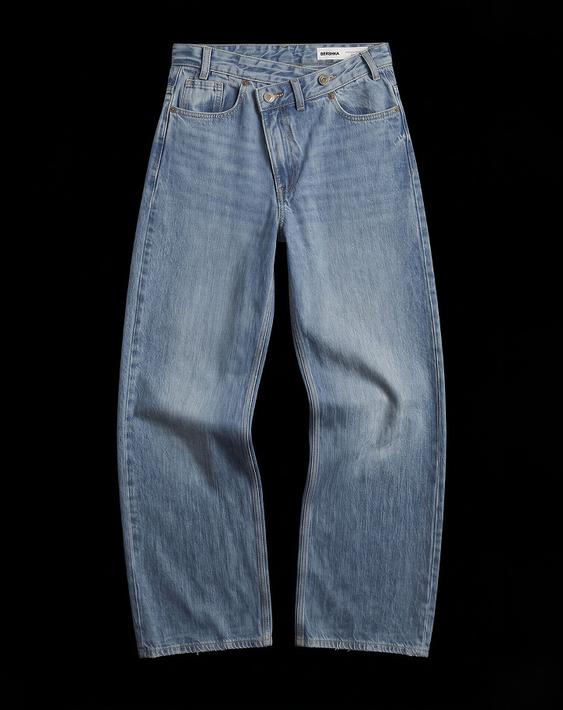
Bershka splits its range into two separate storefronts, one for women’s fashion and one for men’s fashion, each running its own navigation and seasonal arrivals. Comparing the Bershka men’s women’s collections side by side shows how the brand treats menswear and womenswear as separate design conversations rather than a single unisex catalogue. This piece looks at what actually separates the two lines, from aesthetic direction to fit, fabric, and styling.
Understanding Bershka’s Dual Collection Structure for Men and Women
Landing on the It storefront sends shoppers down one of two paths immediately, with each path built around a specific wardrobe rather than a blended assortment. That structural choice means the women’s and men’s sides can update on different schedules and carry their own visual language, without either one depending on the other’s release pace. It also means a shopper browsing bershka.com experiences two distinct retail environments under one name rather than a single combined store.
This separation is the starting point for understanding the Collections as two parallel systems. Instead of a single line stretched across genders, the brand treats each audience as its own design brief. That approach shows up in how garments are named, grouped, and presented across the site.
Design Aesthetics: How Bershka Women’s Fashion Differs from Men’s Styles

Women’s fashion at Bershka tends to lean into a broader spread of silhouettes, prints, and statement pieces across dresses, skirts, and layered tops. Men’s fashion, by contrast, generally centers on wardrobe staples such as shirts, knitwear, and outerwear with a more restrained graphic language. This does not mean one line is simpler than the other, just that each follows a different starting point for what a seasonal wardrobe needs.
Because the two storefronts are built independently, the aesthetic direction of one does not need to mirror the other. A given season might push bolder color stories in womenswear while menswear focuses on updated basics. That independence is part of what keeps the Bershka men’s women’s collections feeling distinct rather than like mirrored versions of the same idea.
Silhouettes and Fit Across Bershka’s Gendered Collections
Fit is one of the clearest places where the two lines diverge. Women’s pieces often explore a wider range of cuts, from fitted bodices to relaxed, oversized shapes within the same seasonal release. Men’s pieces tend to center on a narrower set of fits, built around straight or relaxed silhouettes in shirting, trousers, and jackets.
This difference in silhouette range reflects how each collection is briefed separately rather than adapted from a shared template. Shoppers moving between the two sections of the site will notice the sizing structure and cut options are not identical, which keeps each collection anchored to its own body of reference rather than a shared starting shape.
Fabric Choices and Material Approaches in Men’s Versus Women’s Lines

Material choices across the Bershka men’s women’s collections follow each line’s own priorities, with womenswear often mixing lighter weaves for dresses and going-out pieces against heavier fabrics for outerwear, while menswear leans more consistently toward structured wovens and knitwear built for layering basics. This split means fabric selection is treated as part of the design brief for each audience rather than a single shared list pulled across both storefronts. A fabric chosen for a women’s dress silhouette is not automatically repeated in a men’s shirt, and the reverse holds true as well.
Because each line sources its materials around its own core pieces, the two storefronts end up feeling purpose built rather than recycled from one another. That keeps the Collections distinct even when a season favors similar color palettes on both sides.
Seasonal Updates and Collection Releases in Bershka Men’s and Women’s Fashion
Both lines update with new fashion collections as seasons shift, a point the brand highlights directly on its own site. Each storefront carries its own new-arrivals section, so a shopper checking the women’s side will see different pieces land than on the men’s side at the same moment. That staggered structure lets each collection respond to its own category needs at its own pace.
For shoppers tracking new arrivals, this means checking both sides of the site separately rather than assuming one update covers the full range. The brand’s online store frames these refreshes as updates to current looks for both men and women, reinforcing the idea of two ongoing collections running side by side rather than one shared cycle.
Styling the Bershka Collections: Distinct Approaches for Each Line
Styling direction also differs between the two storefronts, since each is built around different core pieces. Women’s fashion often centers styling around dresses, skirts, and layering accessories as the anchor. Men’s fashion tends to build outfits around shirting, knitwear, and outerwear paired with trousers.
None of this suggests one approach is more advanced than the other, only that each collection answers a different everyday wardrobe question. Looking at the Bershka men’s women’s collections together highlights how styling logic follows the garments on offer rather than a shared formula. The result is two coherent but clearly separate style directions under one retail name.
- Women’s fashion spans a wider mix of dresses, skirts, and statement tops, while men’s fashion centers on shirting, knitwear, and outerwear.
- Fit ranges in womenswear move between fitted and oversized shapes, whereas menswear holds to straighter, more consistent cuts.
- Fabric selection follows each line’s own category needs rather than a shared material list across both storefronts.
- Seasonal updates arrive separately for men’s and women’s sections rather than as one combined release.
- Styling direction is built around each collection’s anchor pieces, dresses and layering for women, shirting and trousers for men.
Taken together, these differences show two collections built with separate intentions rather than one line divided in half. Anyone comparing the Bershka men’s women’s collections closely will find design, fit, fabric, and styling all shaped around distinct wardrobe needs.