

Turning expertise into an online course usually means stitching together a course host, a payment processor, a community tool, and an email platform, and hoping they all talk to each other. Thinkific takes a different approach by folding course delivery, community features, and commerce tools into one platform, which removes a fair amount of the integration headache that usually comes with building a learning business from scratch.
A Course Builder Designed to Get Finished, Not Just Started
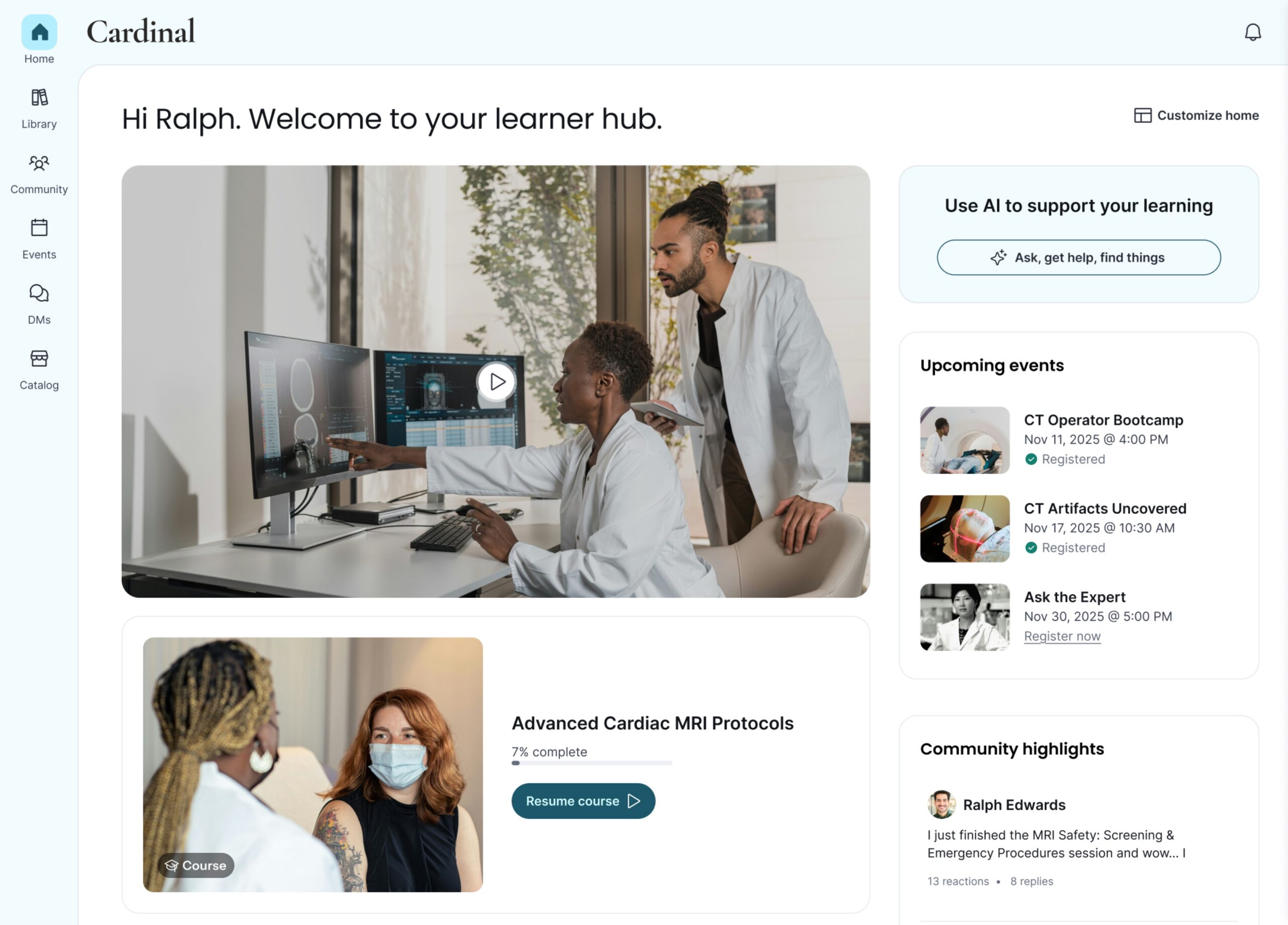
The core of Thinkific is its drag-and-drop course builder, which supports everything from SCORM files and video imports to live cohorts and self-paced formats. AI-assisted course generation helps with the initial structure, and a built-in AI teaching assistant can answer learner questions based on the course content itself, cutting down on repetitive support requests. Quizzes, assignments, certificates, and prerequisite-based learning paths round out the toolkit, aimed less at just hosting content and more at actually getting learners to finish what they start.
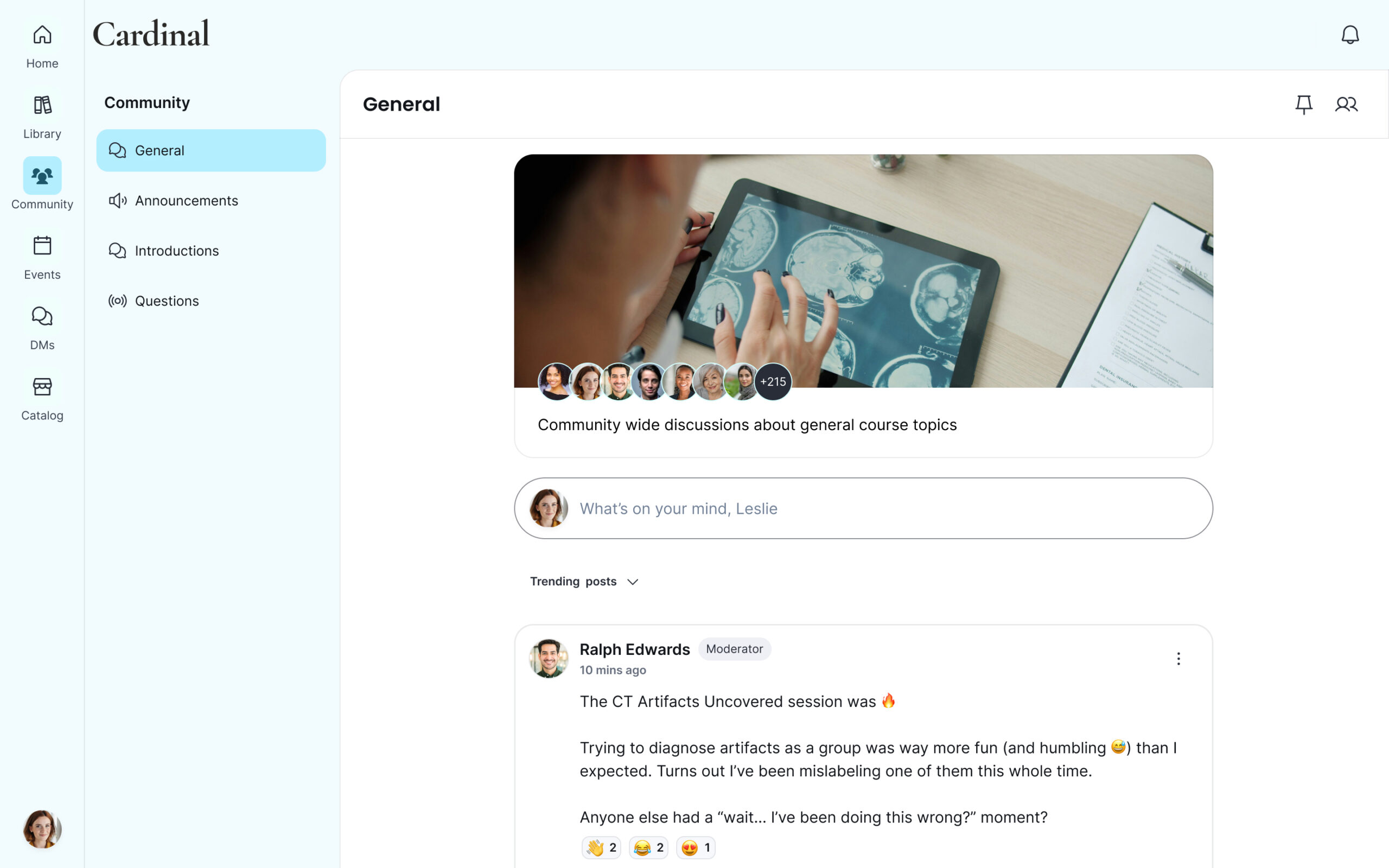
Community Built Directly Into the Learning Experience
Rather than bolting on a separate forum or Discord server, Thinkific ties community discussions directly to individual lessons, so conversations stay connected to the content that sparked them. Member profiles track course progress, spaces can be gated by course access, and direct messaging, live events, and weekly email digests all live inside the same platform. It’s a meaningful difference from managing a course on one tool and a community on another, since progress and engagement don’t get lost between the two.
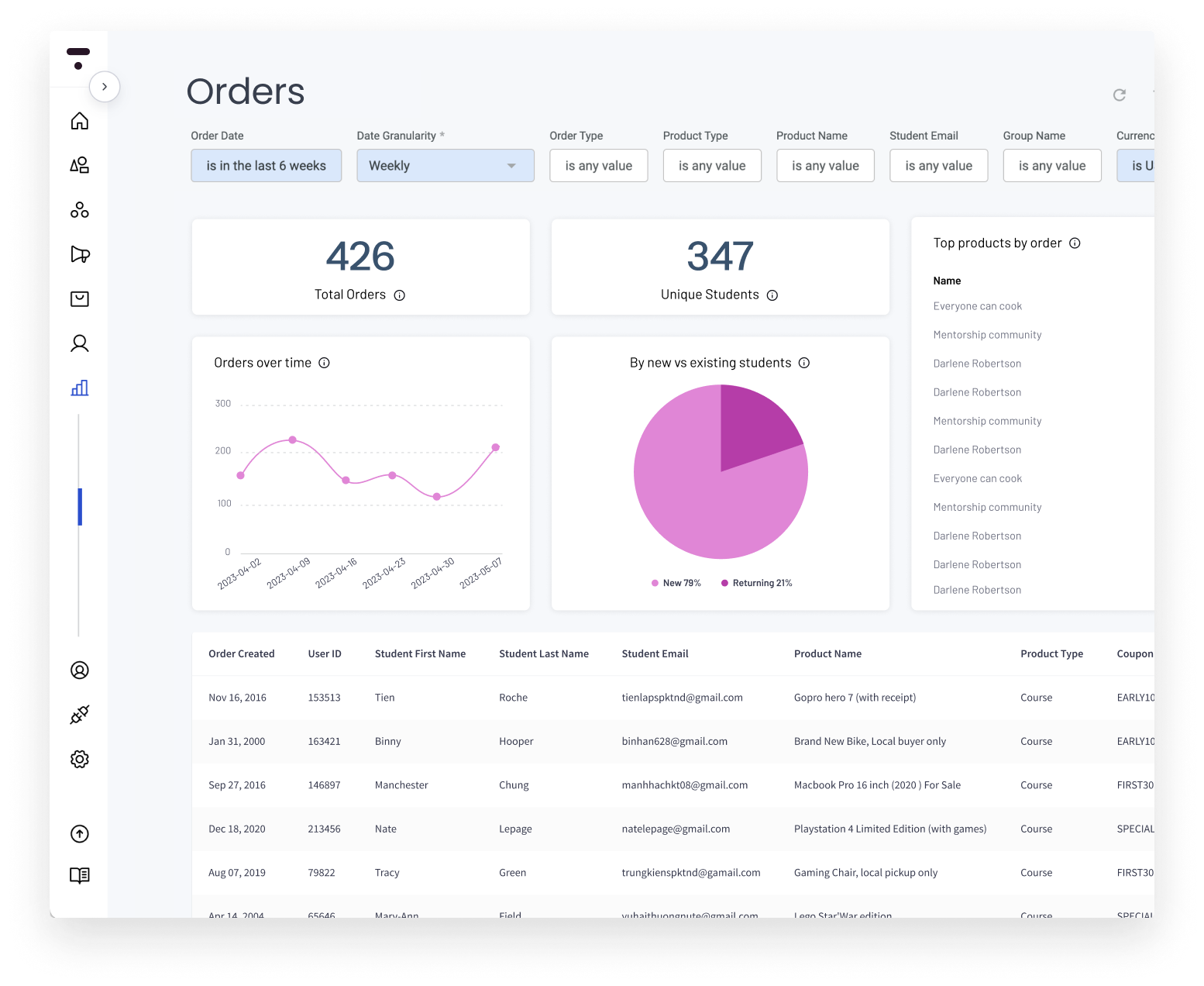
Commerce Tools Built for Selling, Not Just Collecting Payments
A lot of course platforms treat payments as an afterthought, but Thinkific runs checkout, subscriptions, tax handling, and B2B invoicing on the same system as the course content, which means no separate payment stack to configure and maintain. The feature set includes coupons, bundles, upsells, order bumps, multi-currency checkout, automated sales tax and VAT, and revenue and churn reporting. According to Thinkific, businesses using its native payment tools have seen average order value increase by up to 31%, largely from the built-in upsell and cross-sell prompts during checkout.
Support That Shows Up in the Reviews
Thinkific has earned a top 50 G2 award specifically for customer service, which is a category that tends to separate platforms more clearly than feature lists do. Onboarding help and ongoing problem resolution are positioned as a core part of the product rather than an add-on, and that focus shows up in Thinkific’s overall 4.5 out of 5 rating across more than 400 reviews on G2.
Who Ends Up Using It
Thinkific’s customer base spans individual experts monetizing their knowledge, growing academies, and larger companies using courses for customer or employee training, with more than 20,000 teams currently on the platform and a combined $4.23 billion earned by customers to date. Case studies from companies like Flashpoint point to a common theme: replacing a patchwork of separate tools with a single platform tends to save more time than any individual feature does on its own.
Worth a Look
Whether the goal is a first course built around personal expertise or a full customer training program at company scale, Thinkific is built to handle the course, the community, and the commerce side without forcing three separate tools to work together. A free trial is the easiest way to see whether the combination fits how a particular business actually wants to sell and teach.