Bloating, low energy, skin flare-ups, and digestive discomfort are frustrating precisely because the cause is rarely obvious. Test My Food Sensitivity offers a simple starting point for people trying to narrow down possible dietary triggers, using a hair sample sent from home rather than a clinic visit or a blood draw.
How the Testing Works
The process itself is straightforward: order a kit online, cut a small hair sample at home following the included instructions, and mail it back to the lab. Results typically arrive by email within five to seven working days, covering as many as 1,600 food and non-food items depending on which test tier is chosen. It’s worth being upfront about what this actually is: Test My Food Sensitivity uses non-invasive bioresonance testing, a complementary and alternative method, not a diagnostic medical test, and the company is clear about that distinction on its own site.
Three Test Tiers to Choose From
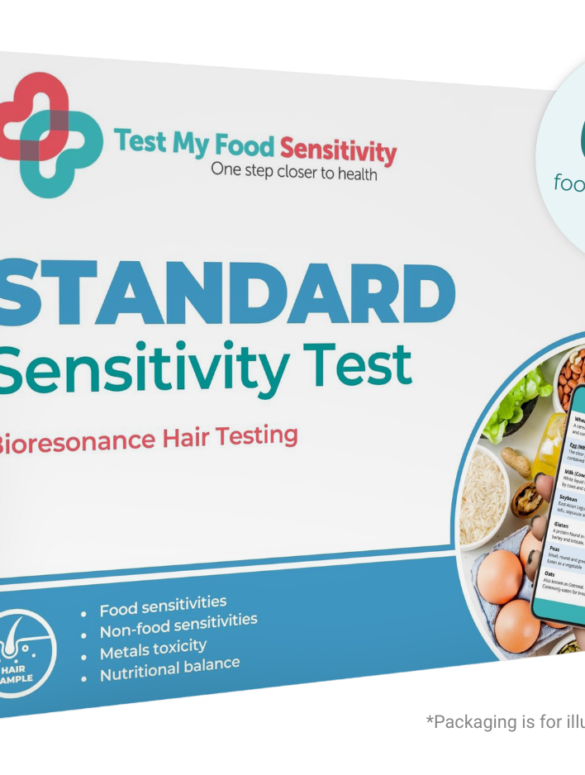
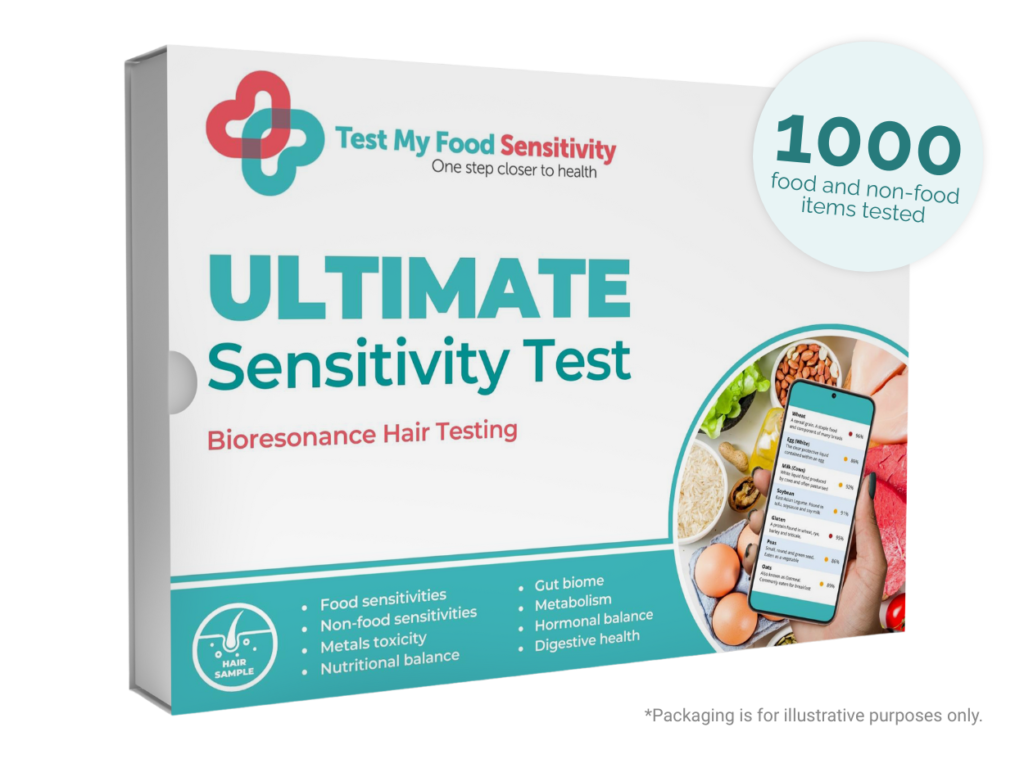
The Individual Sensitivity Test is the entry point for Test My Food Sensitivity, screening a smaller set of common food triggers for anyone who wants a first look without committing to the full panel. The Ultimate Individual Test steps up to around 1,000 items, adding non-food and environmental triggers alongside food sensitivities. At the top sits the Optimum Sensitivity Test, covering the full 1,600-item panel including metals, additives, and factors related to digestion, metabolism, and skin.
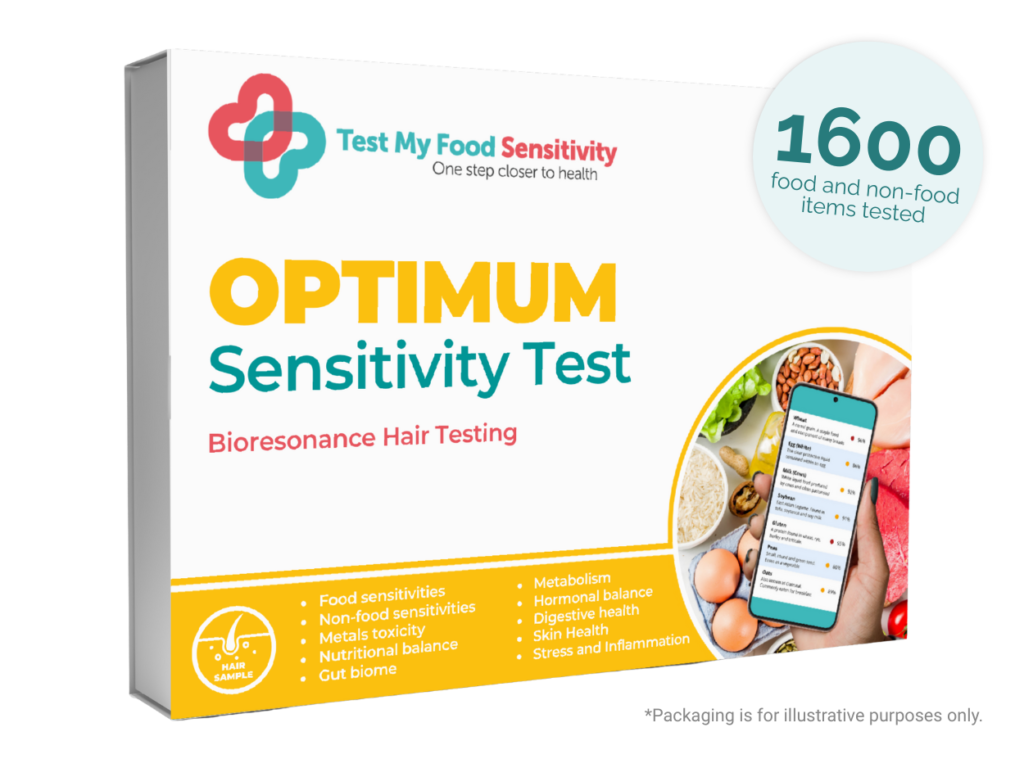
For anyone unsure which tier makes sense, the jump from Individual to Ultimate is mostly about breadth rather than depth, while Optimum is the version aimed at people who want the full picture in one go rather than testing again later for a wider panel.
A Money-Back Guarantee Without the Usual Fine Print
One detail that stands out from Test My Food Sensitivity is the shape of its guarantee. Rather than requiring a food diary, a documented elimination period, or weeks of extra conditions before a refund is even considered, the policy is a flat 30-day, no-quibble refund if the results didn’t help. That’s a meaningfully simpler bar to clear than what’s typical in this space, where guarantees often come loaded with conditions that quietly make them hard to use.
Beyond Food: Coeliac and Prostate Self-Tests
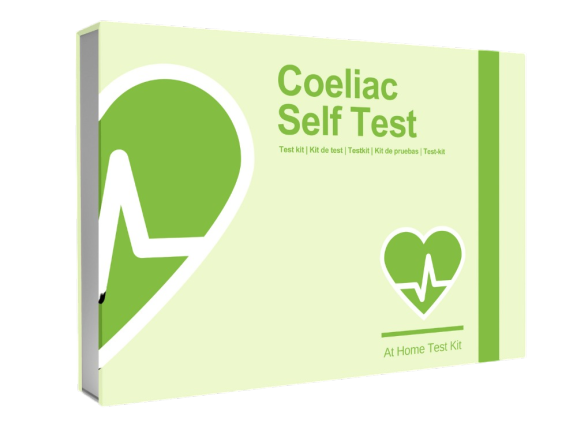
The catalog extends past sensitivity panels into two more targeted self-tests. The Coeliac Self Test checks for anti-deamidated gliadin antibodies at home, giving an early indicator worth discussing with a doctor rather than a standalone diagnosis. The Prostate Health Test works similarly, offering a rapid at-home read on PSA levels. Both function as a first signal rather than a replacement for proper clinical testing, which is worth keeping in mind before treating either result as final.
What This Kind of Test Can and Can’t Tell You
It’s worth being clear-eyed about what a bioresonance-based report actually offers. It isn’t a substitute for an allergist, a gastroenterologist, or an IgE-mediated allergy test, and any result significant enough to change how someone eats long-term is worth discussing with a doctor rather than acting on alone. Where this kind of test tends to be genuinely useful is as a low-cost starting point, something that gives a person a shortlist of foods worth investigating further through an elimination diet or a follow-up conversation with a healthcare provider, rather than months of guessing.
Worth Considering
For anyone who has spent months trying to figure out what’s triggering bloating, fatigue, or skin issues without much luck, Test My Food Sensitivity offers a low-effort, low-risk way to generate a starting shortlist from home, backed by a genuinely simple refund policy if it doesn’t turn up anything useful.