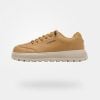
Barefoot vs wide toe sneakers is less a question of which shoe is better and more a question of how a foot wants to move during a given task. Hobibear builds across both categories, pairing minimalist zero-drop designs with cushioned sneakers that keep a roomy toe box. The sections below break down how the two architectures differ in sole, upper material, and intended use.
Understanding Barefoot Shoe Design: The Sorrel and Tannin Approach
Hobibear’s barefoot line centers on a close-to-the-ground feel and zero-drop construction. Sorrel and Tannin both start from that same minimalist, wide-toe-box template, but Tannin adds waterproofing on top of it. Sorrel comes in red, green, blue, pink, gray, and black, plus two further colorways, while Tannin extends its core six shades with three more options.
Other barefoot options from Hobibear, such as Sage and Yarrow, round out this category with slightly different details. Sage is positioned for athletes and active lifestyles, emphasizing stability, minimal cushioning, and flexibility. Yarrow adds an adjustable elastic lacing system for a snug, no-slip fit, paired with a breathable upper and a flexible sole for everyday use.
Wide Toe Sneakers for Everyday Comfort: Hareball, Heather, and Stratus
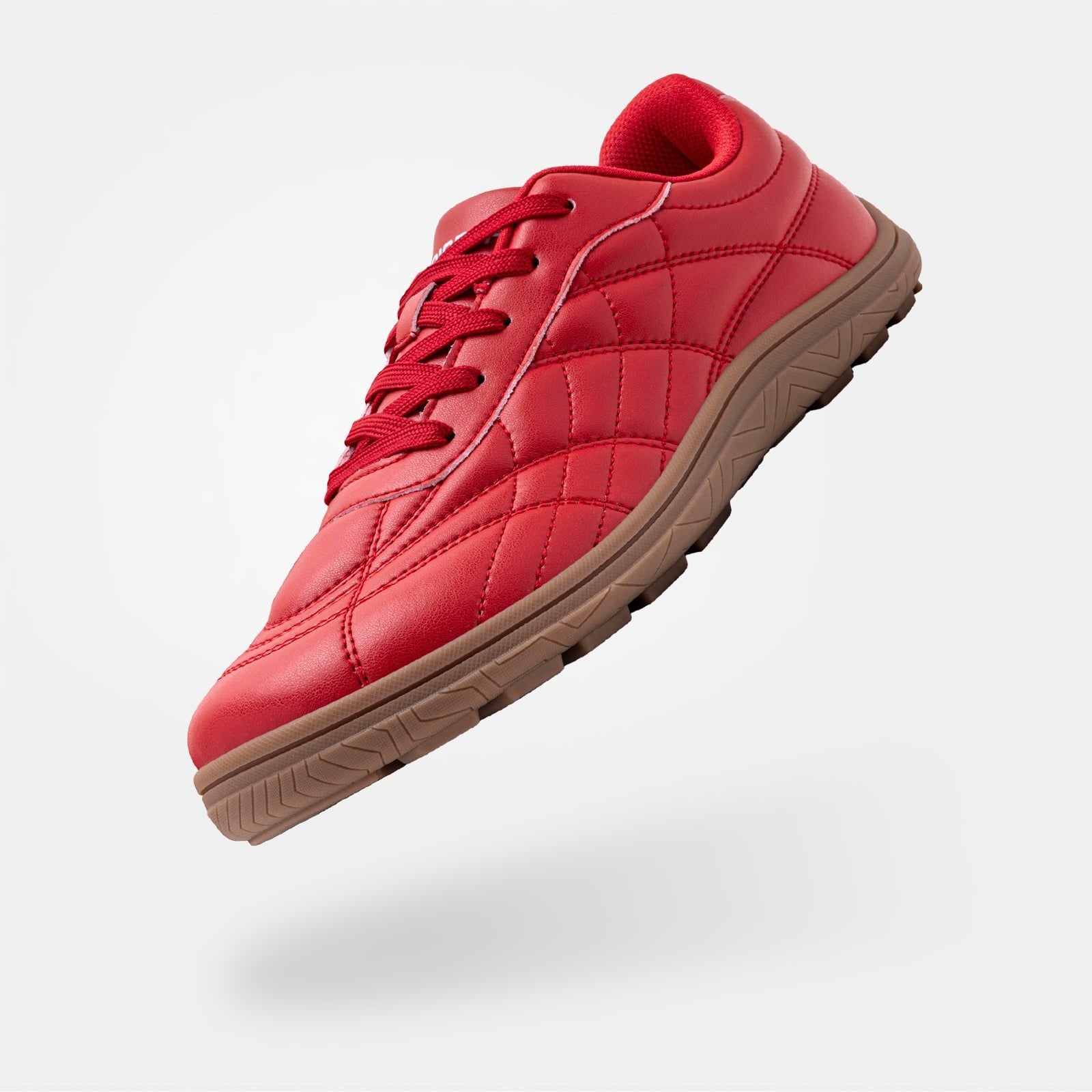
On the sneaker side, Hobibear offers a distinct lineup built for cushioned, supported comfort rather than a minimal ground feel. Hareball is engineered for hikers, with a generous wide-fit design meant to reduce pressure points on extended treks. Heather targets a similar trail-oriented use case, combining lightweight construction with responsive cushioning, a breathable mesh upper, and reinforced ankle support.
Stratus takes a more general-purpose approach, described as suited to a wide range of activities with added stability through its sporty construction. Aurora and Vale extend the wide toe sneaker range further, each built around a spacious toe box meant to keep the foot comfortable through long periods of wear. This spread shows how the sneaker side of the catalog is separated by activity rather than offered as one catch-all shoe.
Zero-Drop vs. Cushioned Soles: How Barefoot and Sneaker Construction Differs
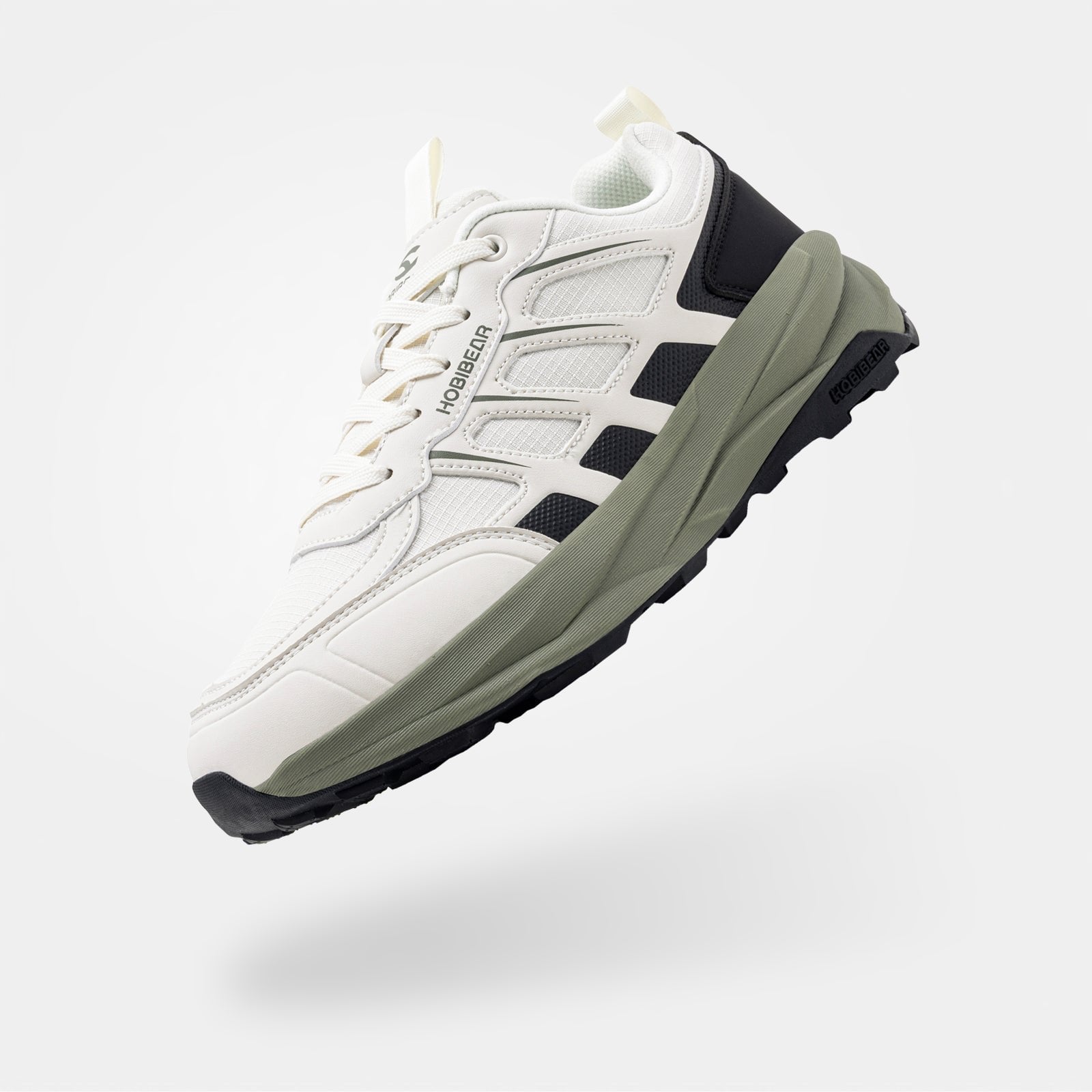
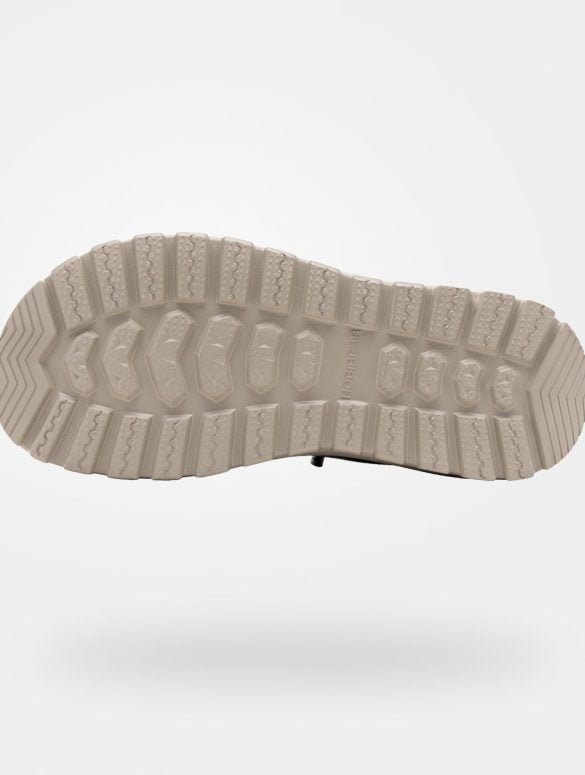
The core structural difference in any barefoot vs wide toe sneakers comparison sits in the sole. Barefoot models such as Sorrel and Tulle use a zero-drop, flexible sole that adapts to the shape of the foot, which the brand links to better balance and proprioception. Wide toe sneakers, by contrast, are built with cushioning and tread meant for stability and shock absorption, as seen in the Clay sneaker’s ultra-soft flexible sole paired with non-slip tread.
This distinction carries through the rest of the lineup. Barefoot shoes favor a low-profile build that keeps the foot close to the ground, while sneakers such as Squall and Umber stay lightweight but still carry more structure underneath. The result is two different approaches to the same wide-toe-box idea that runs through the whole range.
Waterproof and All-Weather Options Across Both Shoe Types
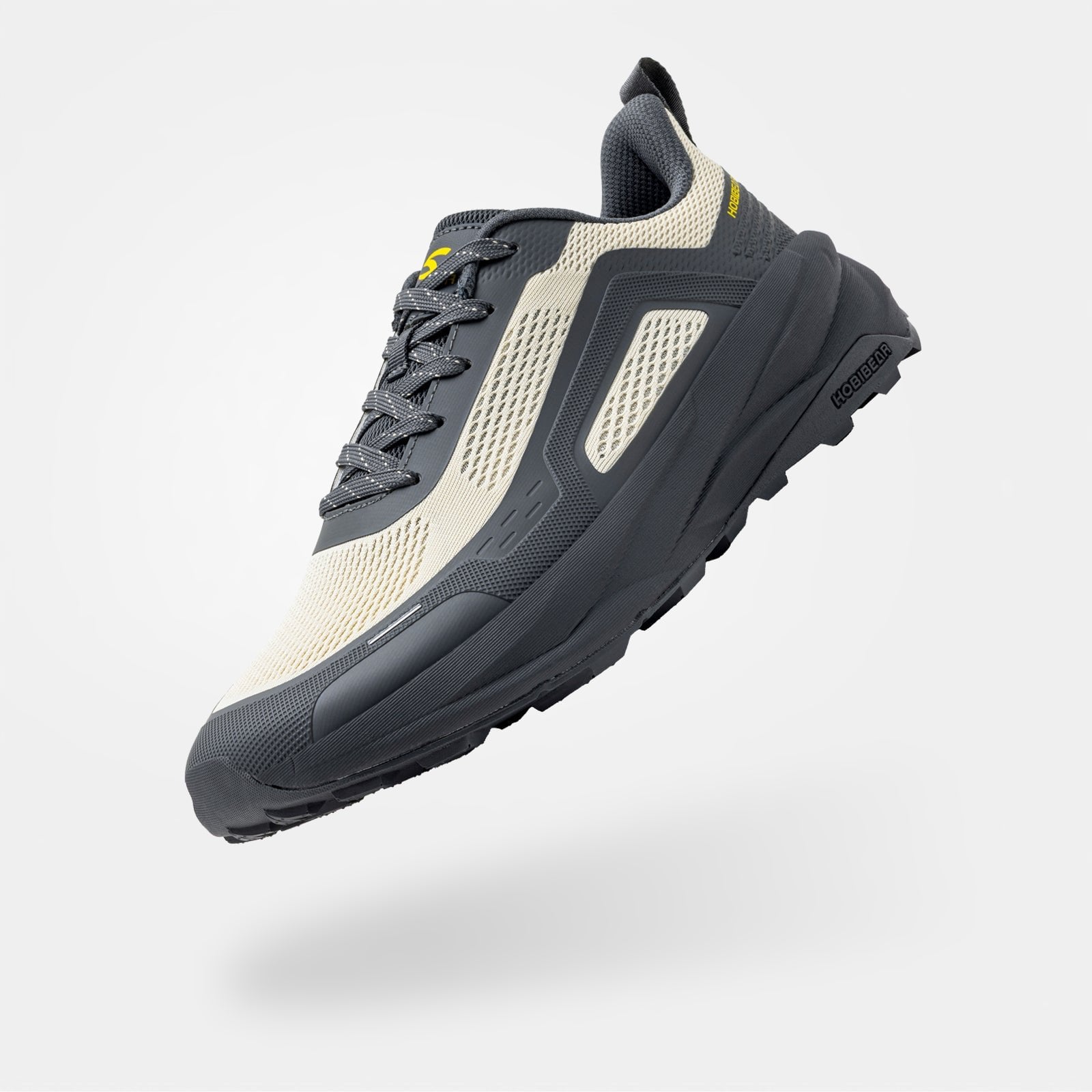
Weather resistance is not limited to one side of the Hobibear range. Tannin remains the main waterproof option among the barefoot models, while Valley, on the wide toe shoe side, pairs a leather upper with weather-ready styling. That gives both architectures at least one option built with conditions outside fair weather in mind.
This spread across categories means a choice in barefoot vs wide toe sneakers does not have to mean choosing between protection and movement freedom. Someone drawn to a barefoot feel can still reach for Tannin’s waterproofing, while someone who wants cushioned structure can look to Valley’s leather build instead.
Minimalist Materials and Breathable Uppers in Hobibear’s Range
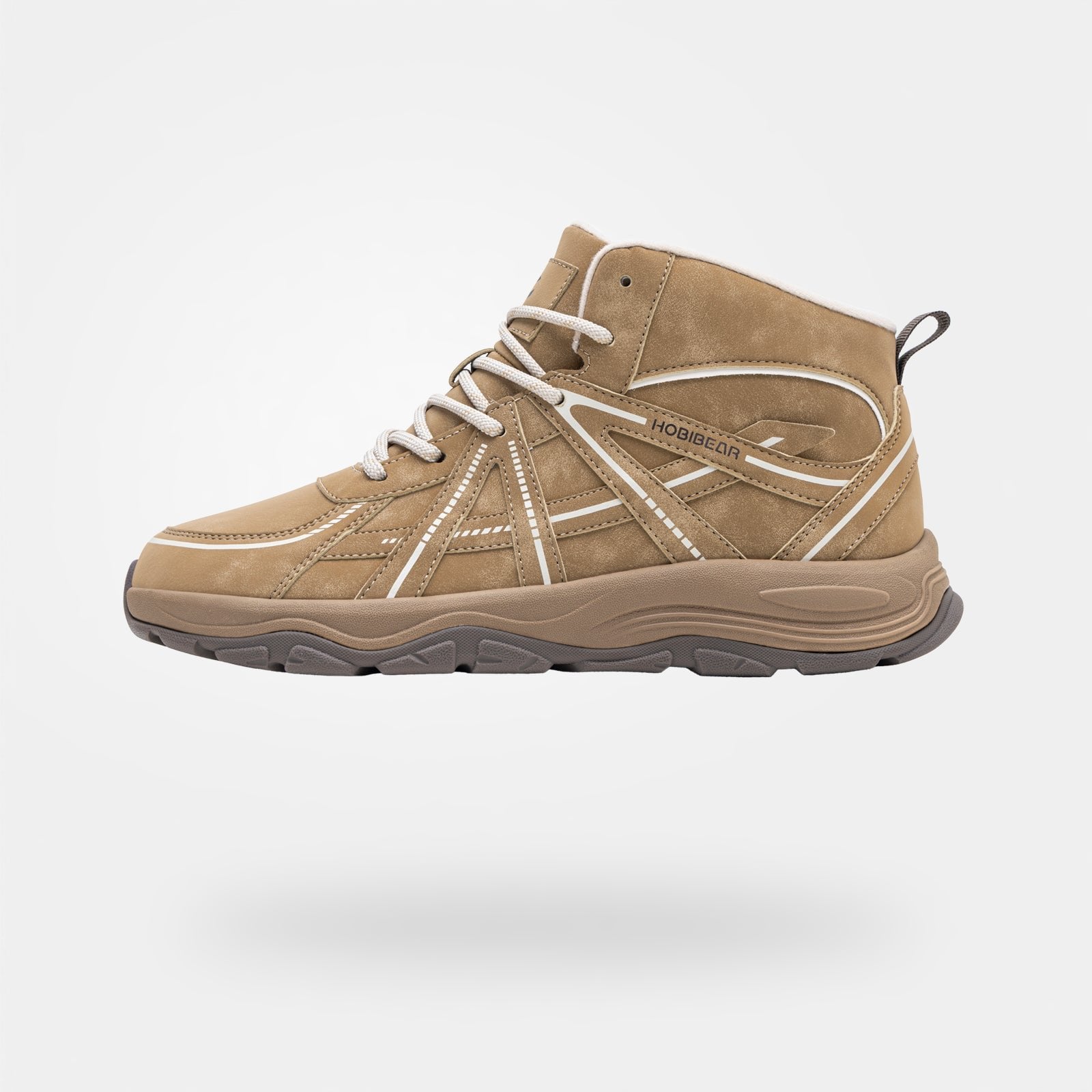
Across both shoe types, Hobibear repeats a few material themes. Breathable uppers show up in barefoot models like Tulle and Yarrow, intended to keep the foot cool during activity. Mesh uppers appear in sneakers such as Heather, aimed at ventilation during longer hikes.
Leather uppers, seen in Valley and Nimbus, bring a more refined look to the wide toe shoe side of the lineup while still keeping the wide-toe-box shape. These material choices sit alongside a toe box wide enough for the toes to spread or splay naturally, whether the shoe is barefoot-style or built as a cushioned sneaker.
- Barefoot models like Sorrel and Tannin use zero-drop, flexible soles meant to keep the foot close to the ground.
- Wide toe sneakers such as Hareball and Heather use cushioned soles with tread built for support on trails and daily wear.
- Barefoot uppers tend toward lightweight, breathable mesh or textile, as seen in Tulle and Yarrow.
- Wide toe sneakers and shoes sometimes use leather uppers, as seen in Valley and Nimbus, for a more structured look.
- Barefoot shoes are positioned for running, hiking, and balance-focused movement, while sneakers like Stratus are positioned for broader daily and athletic use.
Choosing Between Barefoot Freedom and Supported Cushioning
Hobibear organizes its catalog into men’s, women’s, and kid’s selections, so the barefoot vs wide toe sneakers decision applies across age groups rather than one audience. Its barefoot shoes, including Sorrel, Tannin, and Sage, are built around minimal cushioning and natural foot mechanics. Its wide toe sneakers, including Hareball, Heather, and Stratus, are built around cushioned support and tread designed for stability.
Both categories share the same wide toe box philosophy, which the brand ties to natural movement, but they apply it through different construction. That shared foundation is what ties the barefoot and sneaker lines together under one range rather than two unrelated product groups.
In the end, the sole underfoot tells the real difference between the two shoe families.