Picking a new unit from a catalogue of density numbers, lace types, and hair grades can feel like reading a foreign language. A buyer who wants a full, voluminous look might pick 300% density without realizing it could look stiff on a narrow face shape. Another shopper might assume a pre-plucked hairline removes all need for customization, only to find the parting still needs blending. These are the kinds of human hair wig mistakes that turn an exciting purchase into a disappointing one, and most of them trace back to marketing terms that sound more technical than they actually are.
Why Higher Density Does Not Always Mean Better Quality
Density describes how much hair is sewn into a cap, not how refined or durable that hair is. A 180% density wig and a 300% density wig can use the same hair material, with volume as the only real difference. Amandahairs lists several density levels across its range, including 180%, 200%, 250%, and 300%, often on the very same lace cap style.
Choosing 300% density simply because it sounds premium, without weighing face shape or styling goals, is one of the more common human hair wig mistakes buyers make. A denser cap can look heavier and less natural on some head shapes, while a moderate density often drapes closer to natural growth. Density should match the intended look rather than the largest number listed on a product page.
Understanding Lace Types: 13×4 Lace Front, 7×5, and 360 Wigs Explained
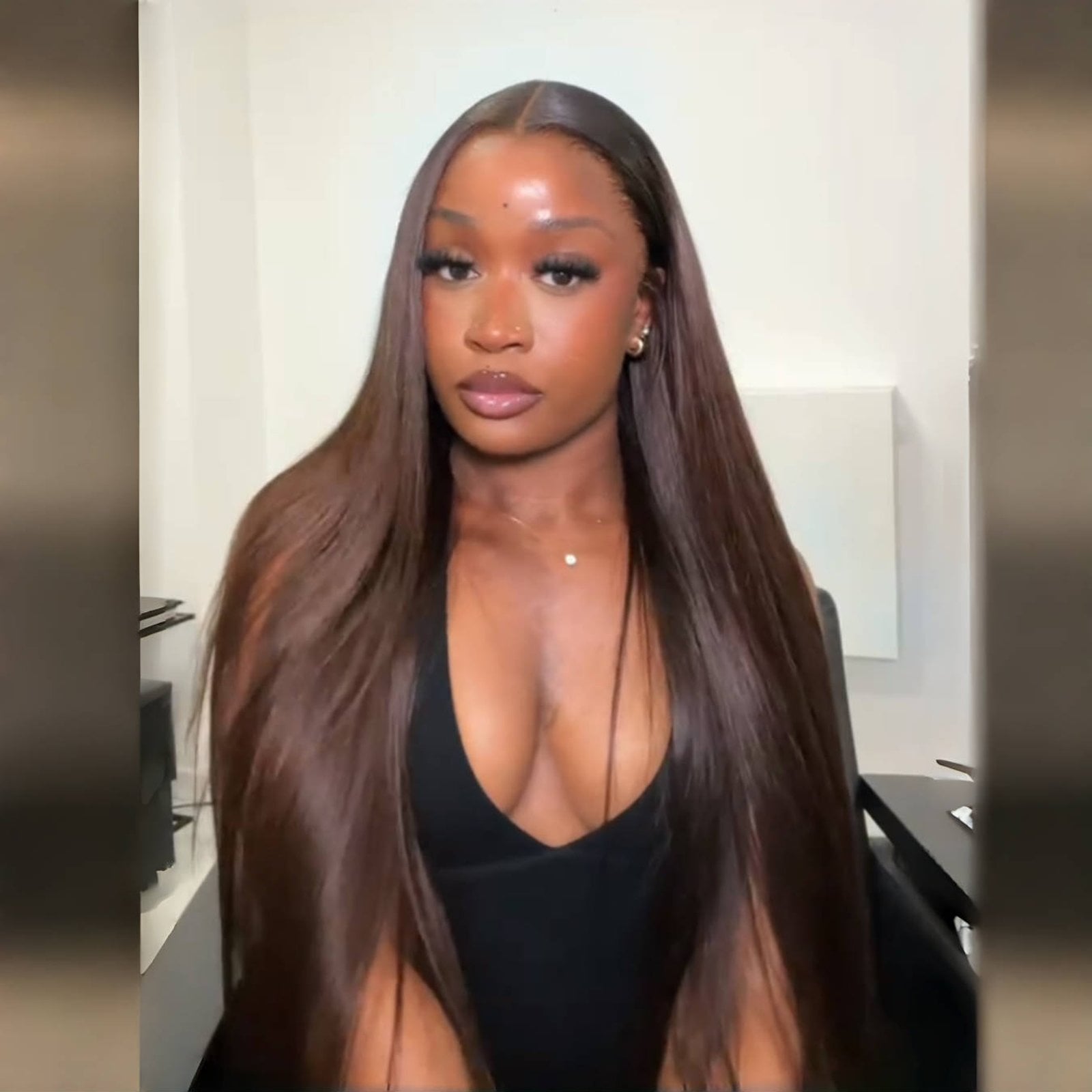
Lace construction affects parting flexibility and how a unit sits along the hairline, and this is where confusion often starts. Amandahairs offers 13×4 lace front wigs, 7×5 lace closures, 13×6 lace frontals, 6×4 lace closures, and 360 lace designs, each suited to a different styling range. A 13×4 front allows a wider parting space, while a 7×5 closure gives room for off-center partings without showing the cap edge.
The 360 lace style wraps around the entire perimeter, which supports high ponytails and updos that a standard front lace cannot manage. Assuming every lace type performs the same function is a frequent error among first-time buyers. Someone who wants hair pulled back completely needs a different lace layout than someone who mostly wears hair down, so the choice should follow the styling habit, not the other way around.
The Virgin Hair Myth: What 100% Human Hair Actually Guarantees
The phrase “100% virgin human hair” only tells a shopper where the strands came from, not how they were processed or finished. Amandahairs markets its wigs as 100% human virgin hair across most collections, from body wave to kinky straight textures. That label does not, by itself, describe how dense the cap is or which lace type sits underneath it.
Treating “virgin hair” as a stand-in for overall quality is another of the recurring human hair wig mistakes in this category. Hair origin and cap construction are separate specifications, and a buyer who checks only one of them risks missing the other. Reading both the hair material line and the cap type line on a product page gives a fuller picture than either one alone.
Pre-Plucked and Pre-Everything Wigs: Clearing Up Installation Misconceptions
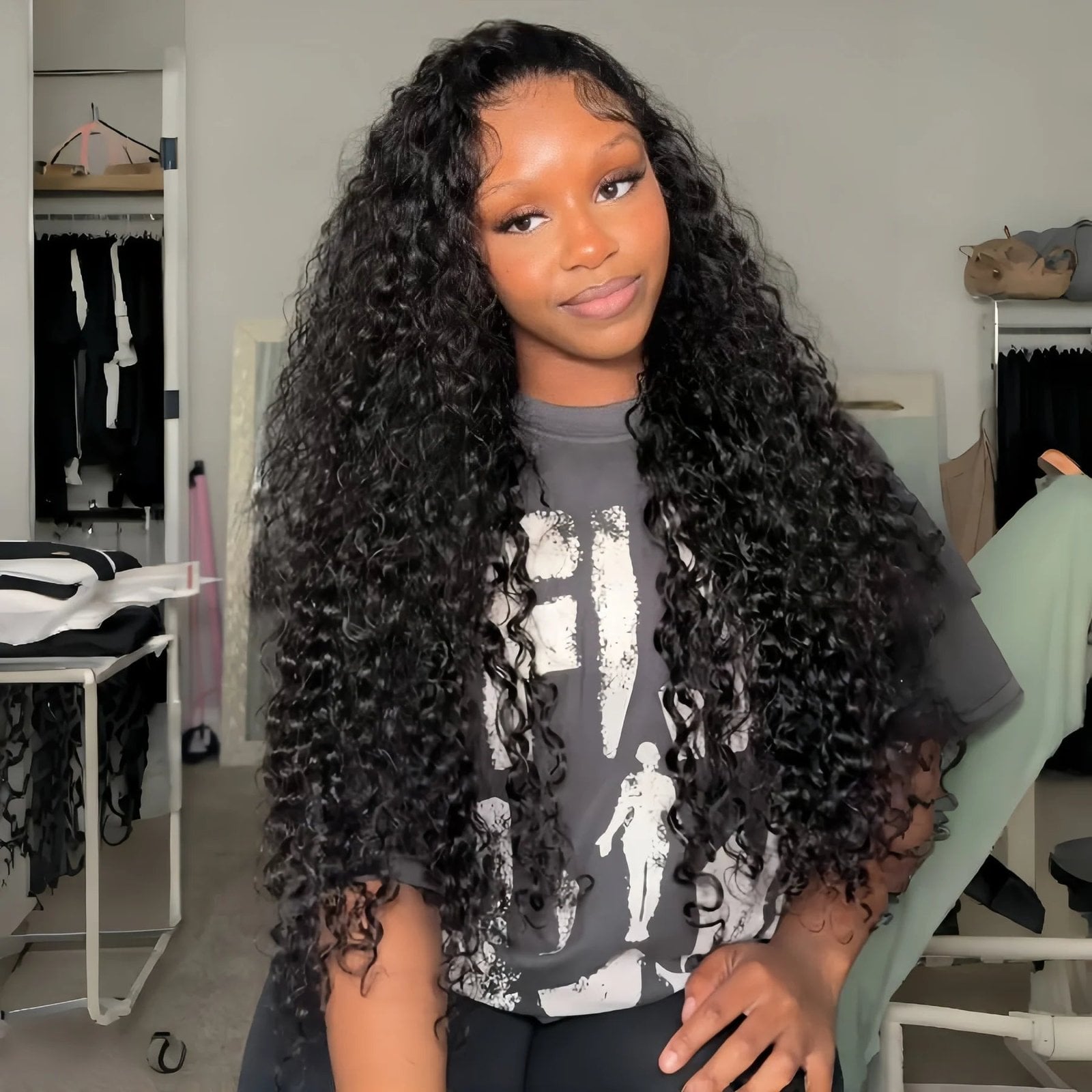
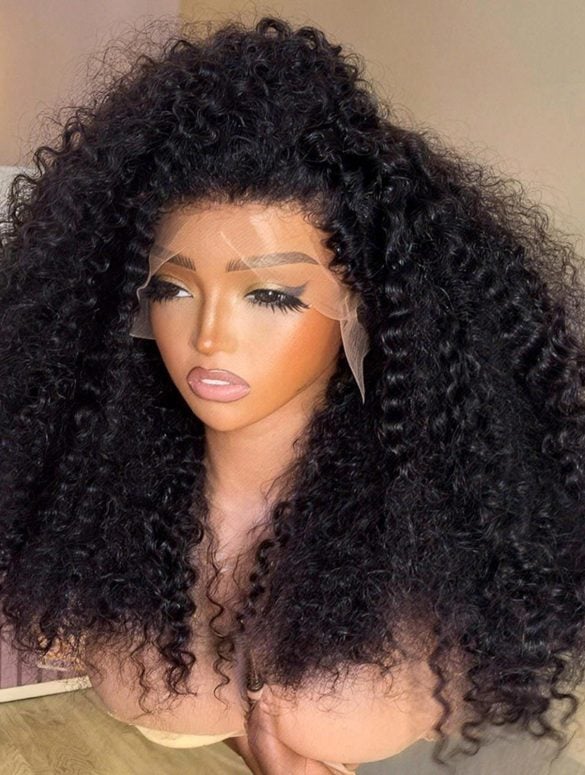
“Pre-plucked” refers to a hairline that has already been thinned for a less blunt, more natural edge. “Pre-everything” goes further, typically combining a pre-plucked hairline with pre-bleached knots and a pre-tweezed parting area. Amandahairs sells several pre-everything styles, including curly and body wave options built on 13×4 and 7×5 lace, marketed as glueless and wear-and-go.
Assuming a pre-everything wig needs no adjustment at all is a common misunderstanding. These features reduce certain prep steps, but they do not replace fitting the cap size or securing edges for a particular hairstyle. Reading the product description for cap size notes, since several listings mention that custom sizing can be requested through customer service, helps avoid a mismatched fit.
Double-Drawn Hair and Hair Longevity: Separating Fact from Marketing
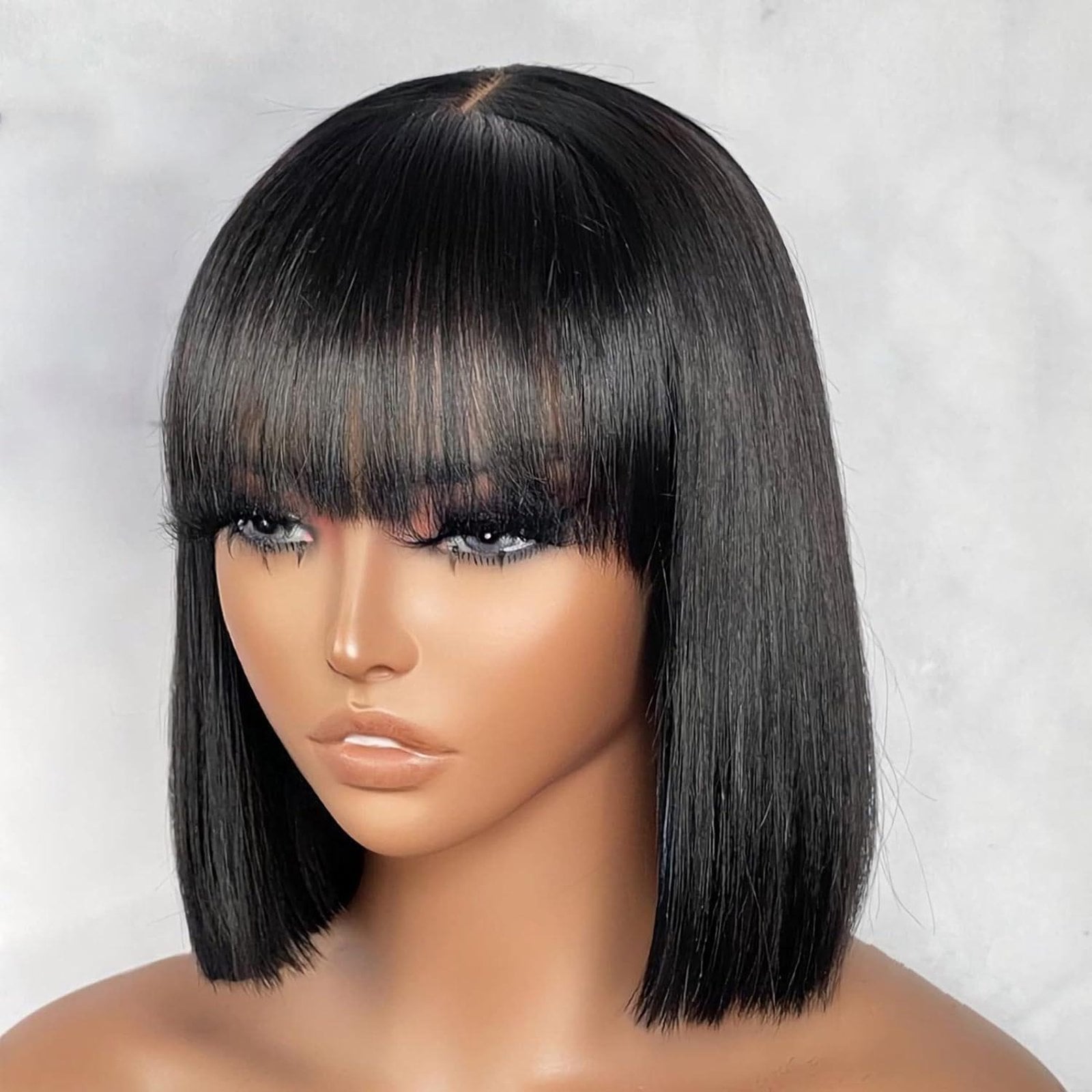
Double-drawn hair means most of the shorter strands were removed during processing, leaving a fuller, more uniform strand length from root to tip. Amandahairs features double-drawn options in some of its curly and wavy styles, often paired with 300% density and a drawstring for extra security. This construction affects thickness and uniformity, not automatically how long a wig will last in daily rotation.
One of the listings notes that proper care can allow a wig to remain usable for more than 12 months, a claim tied specifically to that product rather than to every double-drawn style in the catalogue. Treating that single figure as a universal guarantee across all density or lace combinations is a mistake worth avoiding. Longevity claims should always be checked against the exact product they describe, since conditions can differ across textures and cap types.
Matching Wave Patterns to Actual Styling Needs
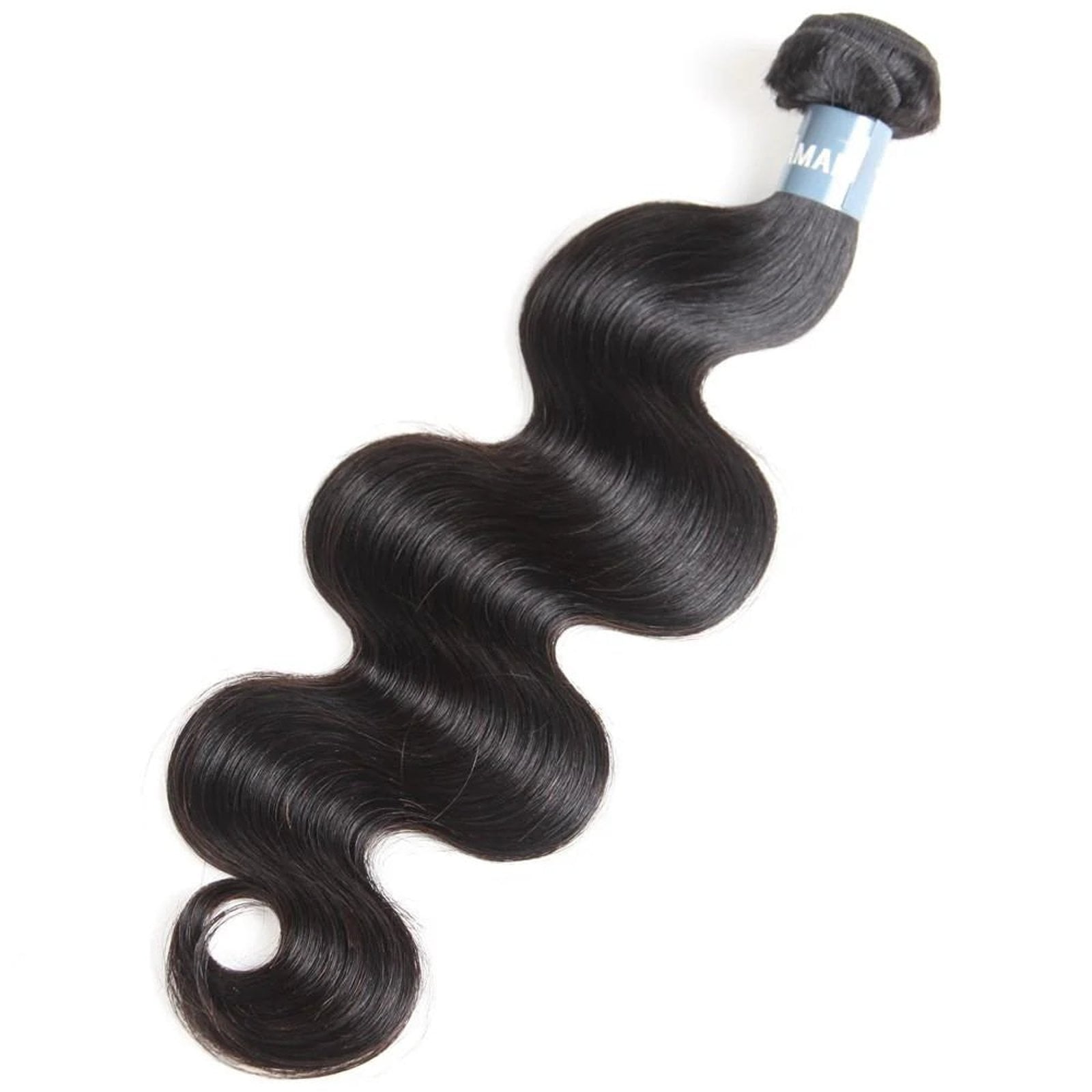
Wave pattern selection often gets treated as a purely aesthetic choice, when it also affects maintenance and versatility. Amandahairs‘ range spans straight, body wave, water wave, deep wave, loose deep wave, kinky curly, kinky straight, and Burmese curly textures, among others. A straighter texture tends to hold a sleek style with less daily effort, while a curlier pattern can need more attention to keep defined.
Buying a texture because it looks striking in a photo, without considering how often it matches a preferred daily style, is a frequent error. A loose wave or body wave pattern can shift toward either a casual or a polished look with minimal styling, which makes it a flexible choice for frequent changes. The following points summarize where buyers tend to go wrong across these categories.
- Choosing a higher density purely because it sounds more premium, without considering how it will sit on a specific face shape.
- Assuming any lace type supports any hairstyle, including high ponytails or deep side partings.
- Treating a virgin hair label as confirmation of cap construction quality, when the two specifications are unrelated.
- Expecting a pre-everything wig to require zero adjustment at install, including cap sizing.
- Applying a longevity figure from one product listing to an entire line of different textures and densities.
- Selecting a wave pattern based on appearance alone, without weighing the maintenance it will require.
Avoiding these human hair wig mistakes comes down to reading product specifications as separate variables rather than one combined promise. Density, lace type, hair material, and wave pattern each answer a different question about a wig, and none of them substitutes for the others.