

Recipe box meal delivery has become a common fixture in British kitchens, yet plenty of shoppers still hesitate because of outdated ideas about how it works. Many recipe box misconceptions centre on convenience, skill, ingredient freshness, and waste, often repeated without anyone checking the details. This piece looks at what a weekly food box actually involves, using Gousto as the reference point for how the category operates in practice.
Why Recipe Boxes Require More Than Just Heating Food
One of the most persistent recipe box misconceptions is that every meal arrives pre-cooked and simply needs warming. In reality, most recipe boxes are meal kits. Ingredients come fresh and unprepared, with a recipe card guiding each step from chopping to plating. Gousto‘s core format follows this exact structure, sending perfectly portioned ingredients alongside easy-to-follow steps rather than finished dishes.
That means some chopping, seasoning, and pan work is still expected of the cook. The appeal lies in skipping the planning and shopping, not the cooking itself. For households picturing a ready meal in a box, this distinction matters before signing up.
Misconceptions About Fresh Ingredients in Gousto Boxes

Another common assumption is that boxed ingredients cannot match supermarket freshness. Gousto states its meat is 100% British, sourced from chicken, beef, pork, and lamb raised in the UK. Produce is described as hand-selected and seasonal, coming from trusted farms in regions including West Sussex and Cornwall.
The brand also lists named suppliers such as Yeo Valley Organic in Somerset and ToFoo in Yorkshire, alongside Jolly Hog in Bristol. It is recognised as a certified B Corp, which it says reflects verified standards for social and environmental business practice. These specifics undercut the idea that recipe box ingredients are generic or lower quality by default.
The Truth About 10-Minute Meals and Prep Time
A frequent myth is that fast meal kits sacrifice variety or flavour for speed. The weekly menu includes more than 40 ten-minute meals, positioned within a broader selection of over 175 recipes available each week. That range spans quick dinners alongside family favourites and more adventurous global dishes.
There is also a Prepped in 5 and One-Pot Wonder range within the quick and easy section of the menu. So the idea that speed-focused cooking means a narrow or repetitive menu does not hold up against the actual recipe count on offer, and it remains one of the more easily disproved recipe box misconceptions.
Heat & Eat Options: What They Actually Include
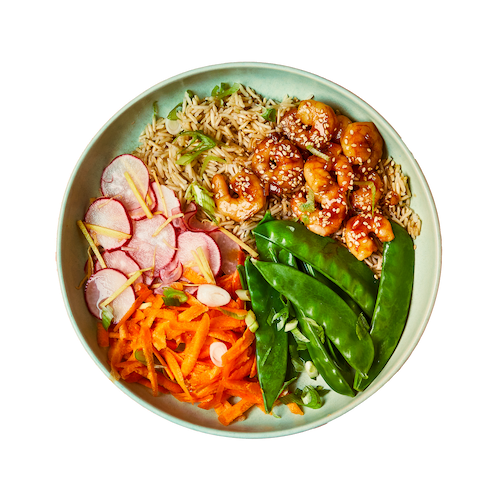
Confusion also surrounds the newer Heat & Eat range, with some assuming it is identical to a frozen ready meal. According to the brand, Heat & Eat delivers the flavour of its usual recipes without the prep work, and without what it describes as nasties. It sits alongside the cooked-from-scratch meal kits rather than replacing them.
This gives households a choice between hands-on cooking and a lower-effort option within the same weekly order. Both formats are delivered through the same weekly delivery schedule, so flexibility does not come at the cost of convenience.
Portion Control and Food Waste Myths in Recipe Delivery

Recipe boxes are sometimes assumed to generate excess food waste through oversized packs or unused ingredients. Gousto ships ingredients portioned to the recipe chosen, down to individual cloves of garlic, according to its own description of the food box. Box sizes range from one to five people, and the brand states it was the first recipe box in Britain to serve that full range.
Portions and recipe counts can also be adjusted weekly, with two to five recipes selectable per order. This directly challenges the belief that recipe boxes force people into fixed, wasteful quantities and is another of the recipe box misconceptions worth retiring. The flexibility to resize a box week to week is built into the subscription rather than treated as an exception.
- Many assume recipe boxes only suit skilled cooks, yet the recipe cards are built around straightforward, easy-to-follow steps.
- Some believe all meals require lengthy preparation, though dozens of ten-minute recipes are available on the weekly menu.
- A common belief holds that ingredients are frozen or close to expiry, whereas the brand describes its meat and produce as fresh and sourced from named British suppliers.
- People often think portion sizes are fixed, but boxes can be resized from one to five people with adjustable recipe counts.
- There is a widespread idea that subscriptions lock customers in, while the service allows skipping, pausing, or cancelling without a lock-in period.
- Another misconception is that ready-to-heat options are not really part of a recipe box service, yet Heat & Eat is offered as a standard menu category.
How Gousto’s Weekly Menu Selection Differs from Common Assumptions

It is often assumed that recipe box menus repeat the same small rotation of dishes. The weekly menu changes often and includes dedicated categories such as a Health Hub for calorie-controlled, protein, or fibre-focused meals. There is also a distinct vegetarian and vegan menu, plus a family-friendly selection with adaptations aimed at picky eaters.
Beyond the core menu, recipes are grouped by household type, including options for singles, families, and pescatarians. This structure suggests a food box built around different eating patterns rather than a single fixed plan. For anyone holding onto older recipe box misconceptions, the breadth of weekly categories is one of the clearest counterpoints.
Delivery itself runs seven days a week, and free next-day delivery applies to a first box under the terms of that specific offer, rather than as an unconditional guarantee. Separately, the brand states that its listed prices exclude delivery, so delivery terms are worth checking rather than assumed. Households can also change their delivery day, which adds a layer of scheduling flexibility some shoppers do not expect from a subscription service.
Recipe box services continue to evolve past their early reputation for rigid plans and bland convenience food. As the category grows, separating fact from assumption becomes the simplest way to judge whether a weekly food box actually fits a household’s routine.