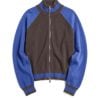

Fast fashion carries a reputation problem, and much of it rests on assumptions rather than evidence. Shoppers debating fast fashion styling often repeat claims about quality, originality, and sizing that do not match what a large retailer actually puts on its shelves. Looking closely at what Zara offers helps separate myth from the reality of modern collections.
Fast Fashion Does Not Mean Poor Quality: What Zara’s Production Standards Actually Involve
The assumption that quick production cycles automatically mean flimsy garments does not hold up to scrutiny. Zara operates within a global retail structure that spans dozens of countries, from Australia to Japan, and that scale requires consistent manufacturing oversight rather than careless output. A brand selling across so many markets cannot rely on guesswork for garment construction.
Consumers often conflate speed with carelessness, but these are separate issues. Zara‘s presence across regions such as Europe, North America, and Asia suggests a logistics and production framework built for repeatability. That does not mean every garment is identical in purpose, but it does mean the brand works within defined standards rather than ad hoc sewing.
The Myth of Trend-Chasing Design: How Zara’s Collections Balance Inspiration and Original Design

Another common misconception is that fast fashion brands simply copy runway looks without any original design work. In practice, large retailers maintain in-house design teams that interpret seasonal moods rather than replicate them wholesale. Zara’s collections reflect this pattern, offering pieces that nod to broader fashion movements while still forming a distinct product range.
This matters for anyone exploring fast fashion styling as a genuine practice rather than a shortcut. Original design does not require avoiding all outside influence. It requires turning that influence into wearable, cohesive pieces, which is what a structured collection process aims to do.
Misconceptions About Zara’s Size Range and Fit Consistency Across Markets
Sizing is another area where myths persist. Critics sometimes claim fast fashion brands offer narrow or inconsistent sizing, yet a retailer operating in markets as varied as Brazil, Croatia, India, and the Netherlands has to account for different body types and regional expectations. That breadth alone challenges the idea of a one-size-fits-all approach.
Fit consistency across such a wide footprint is not a trivial achievement. It requires attention to how garments translate from one region’s expectations to another. The scale of It’s international presence indicates a deliberate effort to serve varied markets rather than a single narrow customer profile.
Limited Seasonal Drops Do Not Mean Limited Styling Options: Building Outfits from Zara’s Core Pieces
Some shoppers assume that smaller, frequent drops limit how many outfits can actually be built. In reality, seasonal releases often function as building blocks rather than standalone looks. Fast fashion styling benefits from this structure because pieces are designed to be mixed across multiple drops rather than worn in isolation.
A single blazer, trouser, or knit can anchor several different outfits depending on what else is paired with it. This approach rewards shoppers who treat a wardrobe as a growing collection rather than a static set. The following points highlight where common misunderstandings about fast fashion brands diverge from what retailers like Zara actually provide.
- Many assume fast fashion means a single disposable aesthetic, when collections often include distinct lines for different occasions.
- Some believe fast fashion retailers offer no size inclusivity, overlooking the range needed to serve multiple international markets.
- A frequent claim is that garments are designed for one wear only, ignoring the structured construction standards larger retailers maintain.
- Critics sometimes argue that fast fashion cannot be sustainable in any form, despite documented sustainability initiatives at major retailers.
- Another misconception is that styling versatility is limited by fast seasonal turnover, when core pieces are often designed to mix across multiple drops.
The Cheap Materials Assumption: What Zara Actually Uses in Garment Construction
The phrase cheap materials gets attached to fast fashion almost automatically, often without reference to what a specific brand actually uses. Material choices vary across a retailer’s range, covering everything from casual basics to more structured tailoring. Treating an entire category as uniform ignores this variation.
Zara‘s product range spans multiple categories, and construction choices differ depending on the garment’s purpose. A tailored jacket and a casual tee are not built from the same expectations, even within one brand’s catalogue. That distinction gets lost when the cheap materials label is applied indiscriminately.
Zara’s Sustainability Practices and the Fast Fashion Cannot Be Responsible Fallacy

There is a persistent belief that fast fashion and sustainability are mutually exclusive. However, large retailers operating at Zara’s scale face growing pressure, and often make public commitments, to address environmental impact within their supply chains. Dismissing any sustainability effort as impossible ignores the pressure retailers face to respond to consumer and regulatory expectations.
None of this means every fast fashion brand has solved its environmental questions. It does mean that blanket statements about the category fail to capture differences between retailers. Zara‘s position within a highly visible international market means its practices draw more scrutiny, not less.
Fast fashion styling will keep drawing debate, but the conversation benefits from specifics rather than sweeping claims. Looking at what a retailer actually offers, rather than what the category is assumed to be, gives a clearer picture of modern fashion retail.