
Zara‘s main line covers a wide span of garments, from structured blazers to soft jersey basics, and the differences between them often come down to details most shoppers never pause to examine. Zara tailoring and construction choices vary noticeably across the core collection, shaping how a piece drapes, wears, and holds its shape over time. Looking closely at fabric, seams, and finishing reveals a layer of design intent that sits beneath the surface.
Zara’s Core Collection and Its Design Philosophy
The core collection at Zara functions as the backbone of the brand’s offering, sitting apart from limited capsule drops. It gathers wardrobe staples meant to work across seasons rather than chase a single trend cycle. Within this range, Zara applies different construction approaches depending on the garment’s purpose, whether that is a tailored jacket or a relaxed knit top.
This range-wide approach means two items bought on the same day, from the same section, can be built quite differently. A blazer intended to hold a sharper silhouette requires a different set of fabric and seam decisions than a draped dress. Recognizing this variation helps explain why certain garments feel more substantial than others despite being part of the same collection.
Fabric Weight and Fiber Composition Across the Range
Fabric choice is one of the clearest signals of design intent in any clothing line, and the main line at Zara is no exception. Heavier, more structured fabrics typically appear in outerwear and tailored trousers, while lighter blends show up in blouses and everyday tees. The fiber composition, whether a cotton blend, a viscose mix, or a wool-touch fabric, changes how a garment moves and holds its shape.
These fabric differences are not incidental. A structured jacket benefits from a fabric with enough body to keep a lapel crisp, while a flowing skirt needs a softer, lighter-weight material to achieve its intended movement. Fabric selection, in this sense, is a quiet form of communication about how a piece is meant to be worn.
Seaming and Finishing Details in Zara Garments
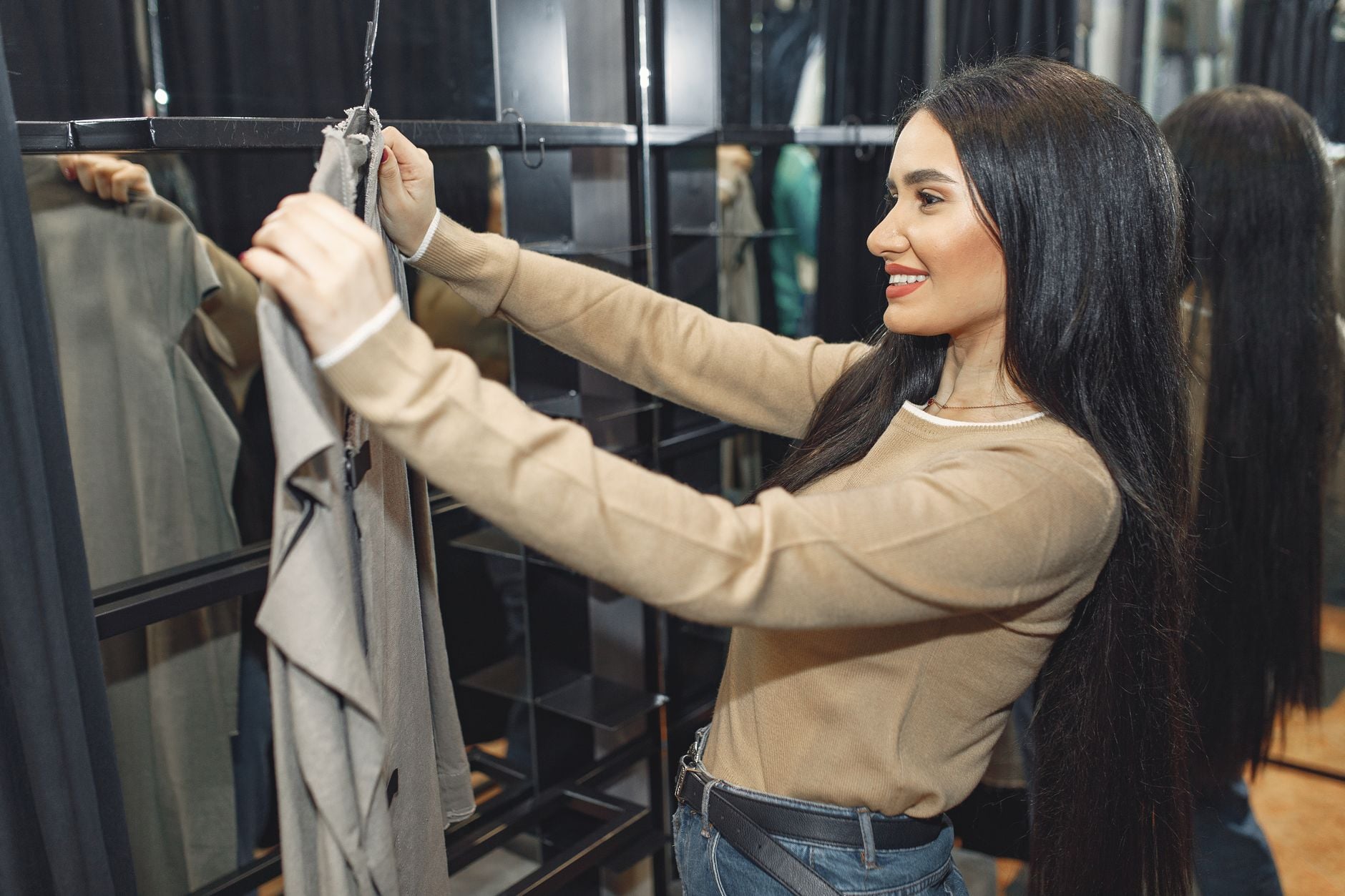
Seaming methods offer another point of distinction within the collection. Some garments feature flat-felled seams for added durability along stress points like inseams, while others use simpler overlocked edges suited to softer fabrics. Finishing details, such as topstitching along collars or reinforced buttonholes, often appear on pieces positioned as more structured or formal.
These construction choices affect how a garment ages and keeps its color after repeated wear and washing, since a bound seam resists fraying while a piece-dyed fabric resists fading. A raw-cut edge left unfinished, by contrast, tends to show wear sooner at the stitch line. Such details, though small, point to where additional construction time has been invested in a particular style.
Pattern Grading and Fit Nuances Within Core Styles
Pattern grading, the process of adjusting a garment’s pattern across sizes, plays a significant role in how consistently a piece fits. Within the core lineup, tailored categories such as blazers and trousers tend to show more refined grading, preserving proportion across the size range. Looser, more casual silhouettes allow for a bit more flexibility in how the grading translates between sizes.
Fit nuances also show up in details like dart placement and seam curvature. A tailored piece with princess seams along the bodice is built to follow the body’s shape more closely than a boxy tee. These choices in Zara tailoring and construction reflect a deliberate effort to match fit precision to the formality of the garment.
Color and Print Application Methods
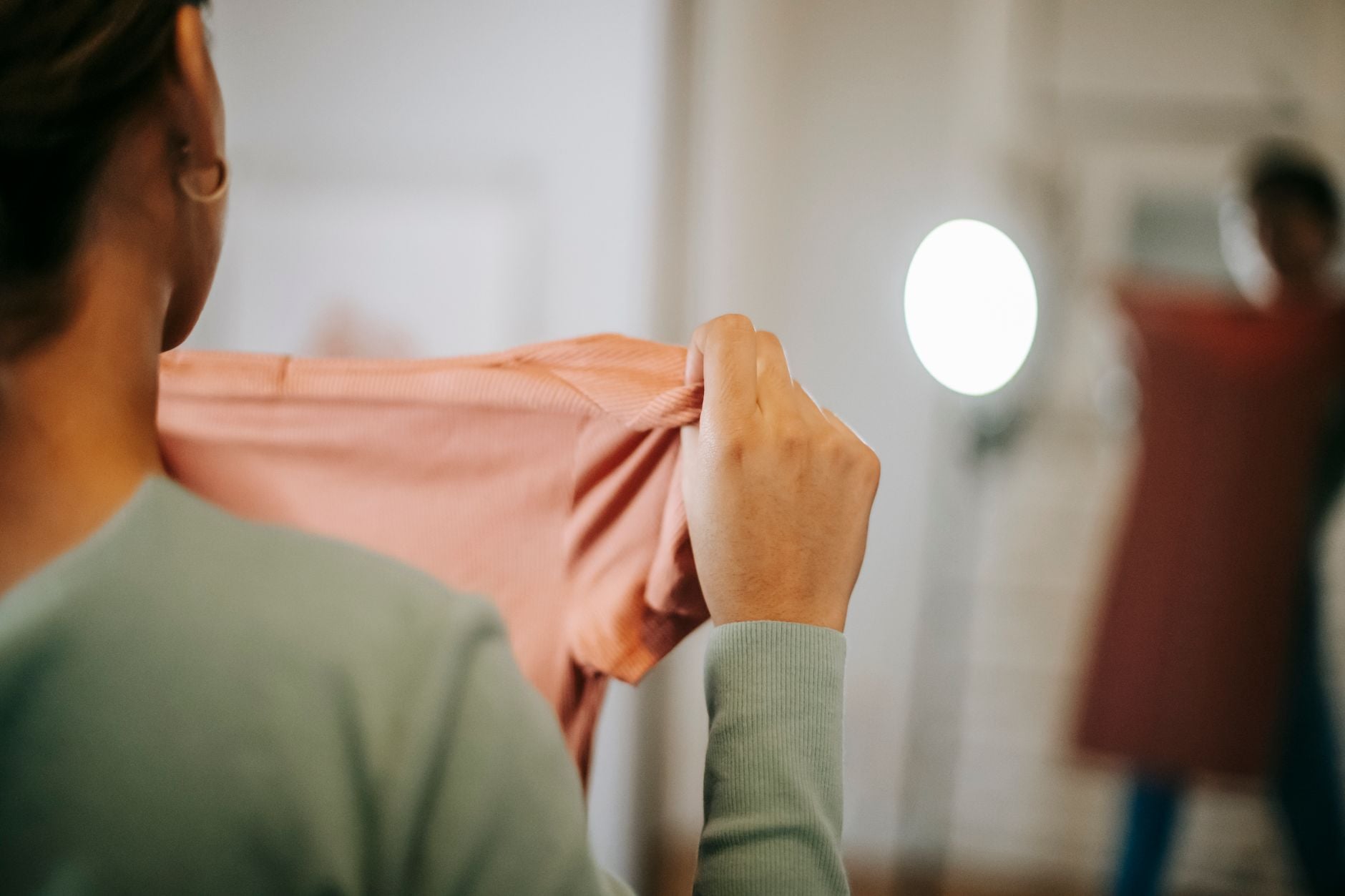
Color and print application vary across the collection depending on the fabric and the intended finish. Some garments use piece-dyed fabric, where color is applied before cutting, producing a more even tone throughout. Others rely on printed patterns applied after construction, which can create a crisper graphic effect on structured fabrics.
Placement also differs by technique. A placement print centered on a knit front sits differently than an allover print repeated across a woven shirt, and each calls for its own cutting plan to keep the pattern aligned at the seams. Such choices again tie back to the garment’s intended role within the wardrobe, whether as a statement piece or a quiet basic.
Quality Markers in Zara’s Construction Standards
Across the core collection, certain construction markers consistently separate more carefully built pieces from simpler basics. These markers are often visible on close inspection, in the seams, linings, and stitch density of a given item. Identifying them gives a clearer sense of where more deliberate Zara tailoring and construction work has gone into a specific piece.
- Lined interiors in blazers and coats suggest a more finished, structured construction approach.
- Tighter, more even stitch lines along hems indicate a steadier construction process.
- Reinforced seams at stress points, such as pocket openings, point to added durability considerations.
- Matched patterns at seams on printed garments reflect closer attention during cutting and sewing.
- Weightier, more substantial fabric hand often signals a garment built for structure rather than casual drape.
Taken together, these markers offer a practical way to compare construction choices across different garments within the same collection. None of them require specialized knowledge to spot, just a closer look at the stitching, lining, and fabric itself. For shoppers paying attention, the details available through Zara reveal how much variation exists even within a single core range.
Looking Beyond the Surface
Construction details rarely announce themselves on a hangtag, yet they shape how a garment performs and feels over time. Paying attention to fabric, seams, and finishing turns a routine look into a more informed one.