

Malware represents one of the most persistent threats in the digital ecosystem, constantly evolving to evade detection and compromise system integrity. Advanced malware detection requires sophisticated technology that can identify threats not merely by known signatures but by behavioral patterns, code characteristics and system impact indicators. AVG delivers advanced malware detection capabilities that protect systems against everything from traditional viruses to sophisticated cryptolockers, worms, trojans and rootkits. The cybersecurity protection approach combines multiple detection methodologies to create a comprehensive defense that catches malware at multiple stages of infection. Whether malware attempts to enter through downloads, email attachments or web-based exploits, the advanced detection systems work in concert to prevent system compromise. Understanding how modern malware detection works reveals why some solutions offer significantly better protection than others.
Behavioral Analysis and Heuristic Malware Detection
Traditional signature-based detection maintains databases of known malware and identifies threats by matching file characteristics against this database. This approach fails against new malware variants that haven’t yet been catalogued. Advanced malware detection employs behavioral analysis and heuristic techniques that identify suspicious activities regardless of whether the specific malware variant is known. The system monitors how programs interact with your operating system, examining access to sensitive files, registry modifications, process injection attempts and network communications.
Malware typically exhibits distinctive behavioral patterns, attempting to evade detection, establish persistence or exfiltrate data. By analyzing these behavioral indicators, the advanced malware detection engine can identify compromised applications and stop them before they achieve their malicious objectives. This approach provides protection against zero-day malware, previously unknown threats that haven’t yet been documented by security researchers. The heuristic methodology represents a fundamental evolution in cybersecurity protection technology.
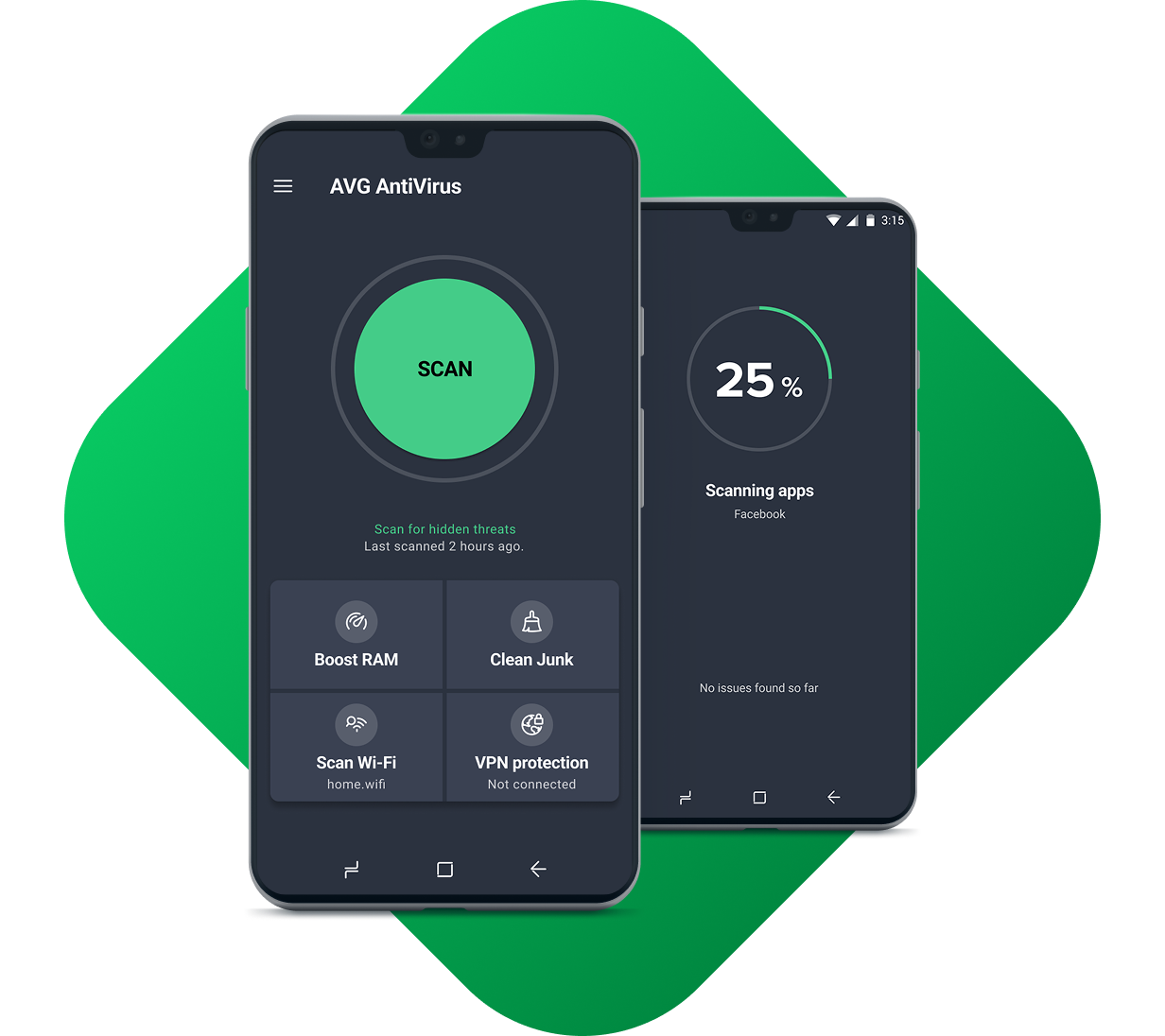
Machine Learning and Predictive Threat Recognition
Advanced malware detection increasingly leverages machine learning models trained on billions of legitimate and malicious files. AVG‘s system security relies on neural networks that identify subtle patterns differentiating benign software from malicious applications. These models examine characteristics including file structure, code patterns, API usage and interaction with system resources. Machine learning enables the malware detection system to recognize new threat variants based on similarities to known malware, even when the specific variant hasn’t been encountered before. The training process continuously incorporates new samples, ensuring that the detection models remain current as threat actors develop fresh attack techniques. This predictive approach to malware detection contrasts sharply with reactive systems that must wait for infections to occur before identifying new threats. By analyzing suspicious files before execution, the advanced malware detection system prevents infections that reactive approaches would only catch after system compromise.
Multi-Stage Malware Detection at Critical System Points
- Email gateway protection identifying malicious attachments before they reach inboxes
- Download protection scanning files immediately as they complete downloading
- Web-based exploit protection preventing drive-by downloads from malicious websites
- Boot-time scanning detecting rootkits and system-level malware compromising startup processes
- Process monitoring preventing malware execution and lateral movement within systems
These multiple detection stages create redundancy in system security, ensuring that even if malware slips past initial defenses, subsequent checkpoints identify and eliminate the threat. AVG‘s architecture reflects the understanding that no single detection method provides complete cybersecurity protection. The layered approach means that system security improves incrementally as threats encounter multiple protective barriers. This design philosophy has proven dramatically more effective than systems relying on single detection methodologies.
Ransomware Detection and Active Threat Response
Ransomware represents a particularly dangerous malware category, encrypting user files and demanding payment for decryption. Advanced malware detection must identify ransomware during the encryption process, before irreversible damage occurs. Robust protection specifically targets ransomware by monitoring for rapid file encryption patterns and suspicious file system activities characteristic of ransomware attacks.
When potential ransomware is detected, the protection system isolates the malicious process and reverses any file modifications, preventing the attack from succeeding. This active response capability transforms system security from passive threat monitoring to dynamic threat response. The ability to detect and halt ransomware within seconds of execution initiation means the difference between infected files and preserved data. Understanding that modern malware threats often include ransomware components, advanced malware detection systems give particular attention to these encryption-based attacks.

System Hardening and Long-Term Malware Prevention
Beyond malware detection and removal, sustainable cybersecurity protection requires hardening your digital environment to resist infection in the first place. AVG provides tools and practices that reduce your attack surface and minimize infection risk. Regular security updates patch operating system vulnerabilities that malware exploits to gain system access. Browser security extensions block malicious websites and prevent drive-by downloads. Firewall monitoring alerts you to suspicious network activities that might indicate malware attempting command and control communications.
When you implement advanced malware detection alongside these hardening practices, you create a comprehensive system security posture that makes your device an unattractive target for cyber criminals. The combination of proactive hardening and reactive threat detection provides defense in depth, ensuring that your system remains secure even as threats evolve. This multi-dimensional approach to cybersecurity protection represents the modern standard for protecting valuable digital assets.