
There was a time when buying a vacuum meant comparing suction power, checking the attachments and deciding whether dealing with a cord was worth saving a little money. Home cleaning has changed quite a bit since then.
Now there are robots that vacuum and mop, machines that wash their own rollers and cordless models designed to handle quick messes without turning cleaning into a whole afternoon project. Dreame has become an interesting part of that shift because its approach is less about one clever appliance and more about making several everyday cleaning jobs easier.
Cleaning Tech Is Finally Solving Boring Problems
Smart features sound impressive, but nobody needs technology simply because it looks futuristic. A useful cleaning appliance should fix something genuinely annoying.
Think about hair wrapped around a roller. Or the dusty strip underneath a low sofa that gets ignored because reaching it is awkward. Then there is the familiar routine of vacuuming a kitchen floor before mopping it separately.
These are small frustrations, but they happen constantly. Modern smart cleaning equipment is becoming useful because manufacturers are paying attention to those ordinary problems rather than simply adding another screen or app.
That practical thinking is a big part of Dreame’s appeal.
A Robot That Needs Less Babysitting Makes More Sense
Robot cleaners have been around long enough that simply moving independently is no longer impressive. What matters now is how little attention the machine demands from its owner.
A capable robot vacuum should navigate furniture sensibly, deal with different floor surfaces and return to its station without needing someone to rescue it every twenty minutes. More advanced systems can also combine vacuuming with mopping, making regular maintenance easier in homes with large areas of hard flooring.
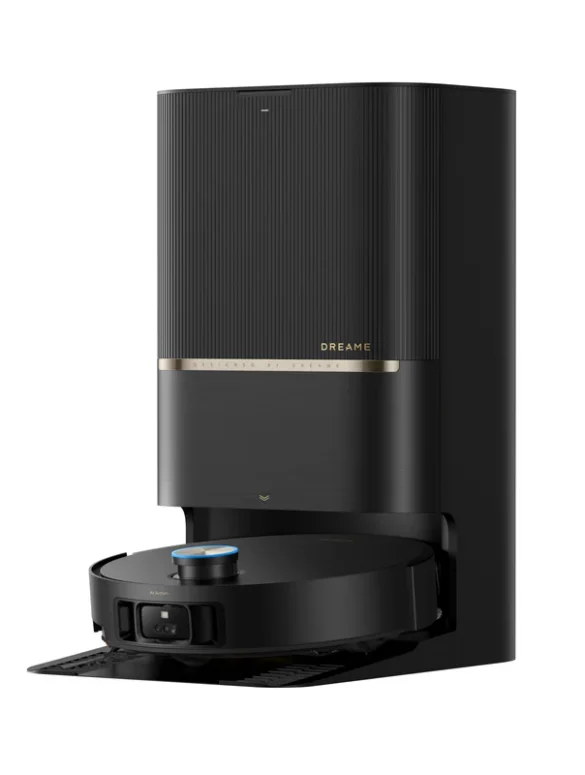
Some Dreame models push automation further with docking stations that can handle tasks such as emptying collected dirt and maintaining mop pads. That changes the relationship people have with a robot cleaner. Instead of treating it like another appliance that constantly needs attention, it can become something running quietly in the background.
The Kitchen Test Matters More Than Fancy Specifications
If a cleaning machine works beautifully in an empty showroom but struggles around a real dining table, its specifications do not mean much.
Kitchens are particularly unforgiving. There can be dry cereal on the floor in the morning, sauce near the counter at lunch and muddy footprints by evening. Using a vacuum and then bringing out a separate mop quickly becomes tedious.
A wet dry vacuum is useful here because it can tackle dry debris and suitable wet messes during the same cleaning session. For households with plenty of tile, vinyl or other sealed surfaces, that can shorten a routine that otherwise involves multiple tools.
It is not glamorous technology. It is simply convenient, which is arguably more important.
Then There Is the Hair Problem
Hair has an impressive ability to find every brush roll in the house.
Long human hair can be troublesome enough, while homes with shedding animals have the added challenge of fur appearing almost immediately after the floor has been cleaned. This makes pet hair cleaning an important consideration rather than a niche feature.
Dreame has developed brush and cleaning systems intended to reduce tangling on selected machines. That might sound like a minor detail until you have spent ten minutes cutting a tightly wound bundle of hair from a roller.
These maintenance-focused touches help explain why Dreame stands out in a crowded category. Convenience does not stop when the floor looks clean. The appliance itself should also be reasonably easy to look after.
Cordless Still Has a Place in a Smart Home
Not everything needs to be automated.
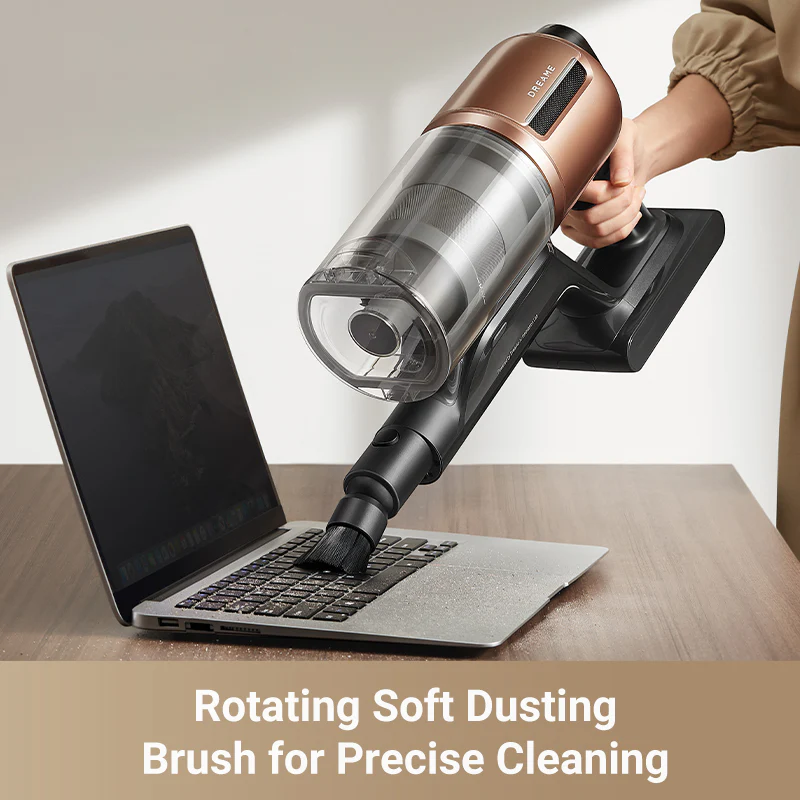
Sometimes there is a pile of crumbs beside the sofa or dirt tracked through the hallway and you want it gone immediately. A cordless vacuum makes more sense in those moments than waiting for a scheduled robot cleaning cycle.
This is why having different types of cleaners in one product ecosystem is useful. Robots can handle routine maintenance while handheld equipment deals with specific messes.
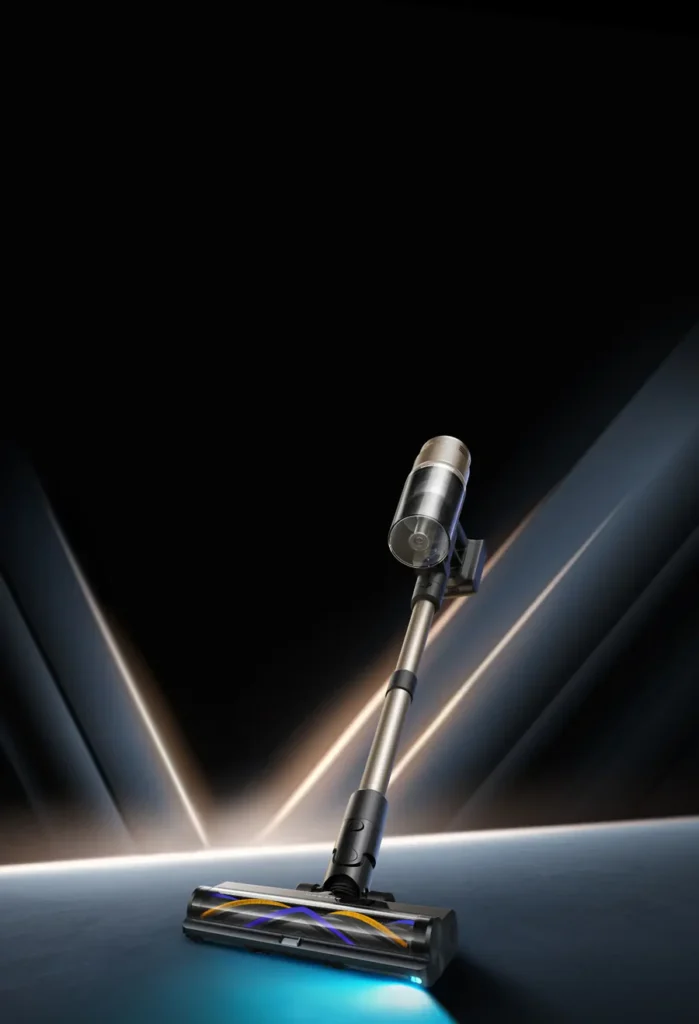
The same logic applies to hard floor cleaning. A robot might keep dust under control throughout the week, while a floor washer can provide a more deliberate clean when footprints, spills and grime start becoming noticeable.
Less Cleaning Can Be Better Cleaning
Perhaps the most interesting direction in home cleaning is not stronger machines. It is appliances requiring less effort from the person who owns them.
Features such as self cleaning functions, automated docking and intelligent navigation all move in that direction. They reduce the little jobs surrounding the actual cleaning process.
That is where Dreame makes an increasingly convincing case for itself. The attraction is not having a house packed with futuristic gadgets. It is being able to walk across a clean floor without remembering the collection of repetitive chores that made it clean.
For anyone who likes a tidy home but would rather spend Saturday doing almost anything else, that is a pretty appealing version of smart home technology.