
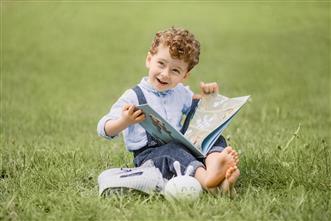
Milan Jeunesse is a French educational publishing brand dedicated to creating magazines, digital content, games, and learning experiences for children and teenagers. Designed to encourage curiosity, creativity, and discovery, the company offers age-based educational media for children from infancy through high school.
With collections tailored for:
- Ages 0–5
- Ages 6–9
- Ages 10–19
Milan Jeunesse focuses on combining:
- Education
- Entertainment
- Reading development
- Interactive learning
through magazines, digital tools, audio content, and activities.
A Longstanding Educational Publishing Brand
Milan Jeunesse is part of the broader tradition of educational publishing in France, where children’s magazines have long played an important role in:
- Literacy development
- General knowledge
- Creative learning
- Independent reading habits
The company’s approach centers around helping children:
- Learn through curiosity
- Explore new subjects
- Develop imagination
- Build confidence in reading
Educational media brands continue evolving as parents increasingly seek high-quality learning resources outside traditional classrooms.
Age-Based Learning Content
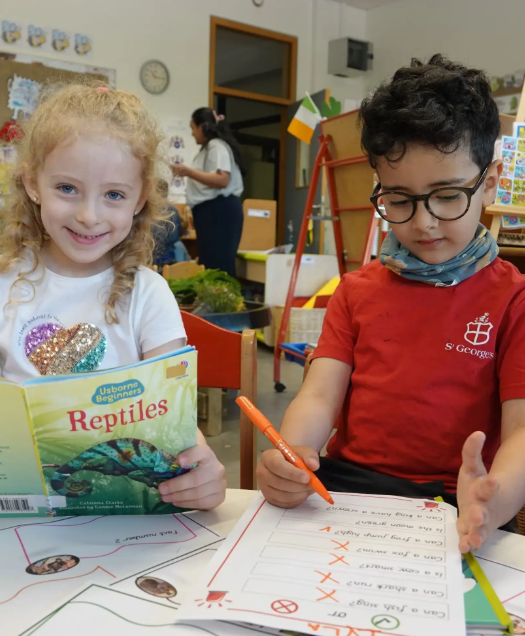
One of Milan Jeunesse’s strengths is its:
- Age-specific educational structure
The platform organizes content for:
- Preschool children
- Primary school students
- Middle school learners
- High school teenagers
This allows educational materials to align with:
- Reading abilities
- Cognitive development
- Emotional maturity
- School progression
Age-adapted learning content helps maintain:
- Engagement
- Comprehension
- Enjoyment
throughout childhood and adolescence.
Educational Magazines for Children
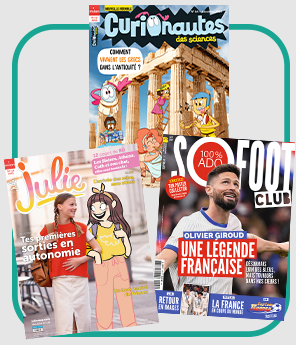
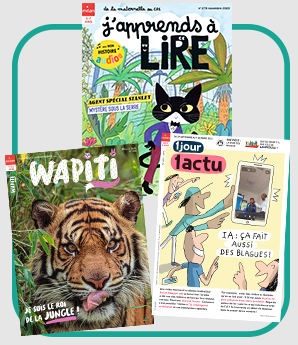
Milan Jeunesse is especially known for its:
- Educational magazines
These magazines cover subjects such as:
- Nature
- Science
- Animals
- Culture
- Sports
- Creativity
- Discovery learning
Children’s magazines remain valuable because they encourage:
- Regular reading habits
- Independent exploration
- Curiosity-driven learning
Printed educational content continues offering benefits such as:
- Reduced screen time
- Focused reading experiences
- Tangible interaction
for younger audiences.
Nature and Discovery Learning
The company highlights nature-focused publications including:
- Kolala
- Wakou
- Wapiti
Nature magazines help children develop interest in:
- Wildlife
- Environmental awareness
- Science
- Outdoor exploration
As environmental education becomes increasingly important globally, parents and educators continue supporting content that promotes:
- Sustainability awareness
- Respect for nature
- Scientific curiosity
Educational storytelling remains one of the most effective ways to introduce complex subjects to young readers.
Digital Learning and Educational Apps
In addition to print magazines, Milan Jeunesse also offers:
- Digital content
- Audio learning
- Apps
- Games and activities
Educational publishing increasingly combines:
- Traditional reading
- Interactive digital experiences
Modern children often learn through multiple formats including:
- Audio
- Video
- Interactive applications
Hybrid educational ecosystems allow publishers to meet evolving learning preferences and digital habits.
Supporting Reading Development
Reading development remains one of the company’s central goals.
Educational magazines help children improve:
- Vocabulary
- Reading comprehension
- Attention span
- General knowledge
Encouraging reading at an early age is strongly linked to:
- Academic development
- Language skills
- Creativity
- Long-term educational success
Publishers like Milan Jeunesse play an important role in making reading:
- Accessible
- Enjoyable
- Age-appropriate
for young learners.
Learning Through Curiosity
Milan Jeunesse promotes:
- Curiosity-driven education
This educational philosophy encourages children to:
- Ask questions
- Explore independently
- Learn naturally through interest
Modern educational approaches increasingly emphasize:
- Active learning
- Exploration
- Creativity
- Engagement
rather than passive memorization alone.
Magazines and interactive educational content can help children develop:
- Critical thinking
- Observation skills
- Imagination
in a more enjoyable learning environment.
Educational Media for Families
The platform also supports:
- Parents
- Families
- Educators
by helping them choose content suited to each child’s:
- Age
- Interests
- Development stage
Parents increasingly seek trusted educational brands that combine:
- Entertainment
- Safety
- Educational value
- Positive learning experiences
Educational subscriptions remain popular because they provide:
- Regular content delivery
- Structured engagement
- Ongoing reading motivation
The Role of Print in a Digital World
Even with the growth of digital learning, print magazines continue offering unique benefits for children:
- Reduced digital distraction
- Physical interaction with content
- Focused attention
- Relaxed reading experiences
Many families now balance:
- Screen-based learning
- Traditional print reading
to support healthier educational habits.
Educational publishers that combine both formats are increasingly well-positioned in the modern learning market.
Subscription-Based Educational Models
Milan Jeunesse uses:
- Subscription-based magazine delivery
Educational subscriptions remain popular because they create:
- Anticipation
- Routine learning
- Consistent reading habits
Children often become emotionally connected to recurring magazine series, which can strengthen:
- Long-term reading engagement
- Subject interest
- Educational confidence
Subscription learning models continue growing in both:
- Print media
- Digital education industries
Educational Entertainment for Different Age Groups
The company’s broad age coverage reflects the increasing importance of:
- Lifelong learning pathways
Educational content now often evolves with children across:
- Early childhood
- Elementary school
- Teen years
Teen-focused educational media increasingly combines:
- Culture
- Identity exploration
- Knowledge building
- Personal development
to remain engaging for older audiences.
The Future of Educational Publishing
The future of educational media will likely include:
- Personalized learning experiences
- AI-supported educational tools
- Interactive storytelling
- Multimedia learning ecosystems
- Expanded digital accessibility
However, the demand for:
- Trusted educational content
- Child-focused learning
- Creative reading experiences
is expected to remain strong.
Publishers that successfully combine:
- Educational quality
- Entertainment value
- Digital innovation
- Age-appropriate design
will continue playing an important role in children’s learning environments.
Final Thoughts
Milan Jeunesse represents the evolving world of educational publishing by offering magazines, digital tools, and learning experiences designed to inspire curiosity and support children’s development from early childhood through adolescence. Through nature magazines, discovery content, educational games, and reading-focused subscriptions, the brand encourages learning through imagination and exploration.
As families increasingly seek meaningful educational experiences beyond traditional classrooms, companies like Milan Jeunesse continue helping young readers develop curiosity, creativity, and a lifelong love of learning.