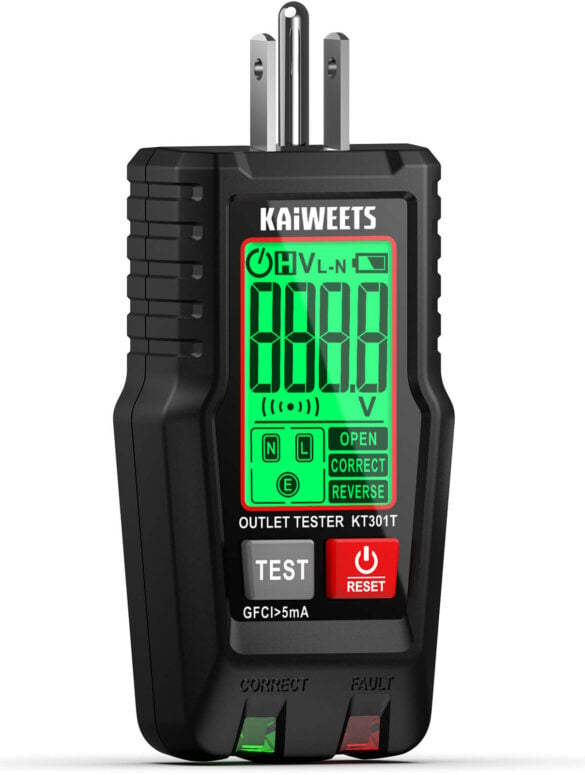
Every homeowner eventually discovers that certain projects require dedicated tools and equipment. Whether addressing minor repairs, creating meaningful home improvements or tackling furniture assembly, having reliable equipment accessible when needed transforms frustrating projects into manageable tasks. DIY tool selection significantly affects both the quality of results and the satisfaction derived from self-directed work. Kaiweets provides a comprehensive range of tools designed specifically for homeowners and hobbyists who prefer completing projects independently rather than hiring contractors.
The Case for Building a Personal Tool Collection
Many homeowners delay property improvements due to uncertainty about tool requirements or frustration with past projects. Establishing a basic collection of reliable tools removes this barrier, enabling faster responses to maintenance issues and greater autonomy in home management. Kaiweets tools are engineered for durability and ease of use, qualities that distinguish them in a market often dominated by industrial-grade equipment intended for professional contractors. Personal tool collections need not replicate professional workshop standards; instead, they should prioritize reliability, accessibility and appropriate capacity for typical household applications and maintenance requirements.
Essential Tool Categories for Home Projects
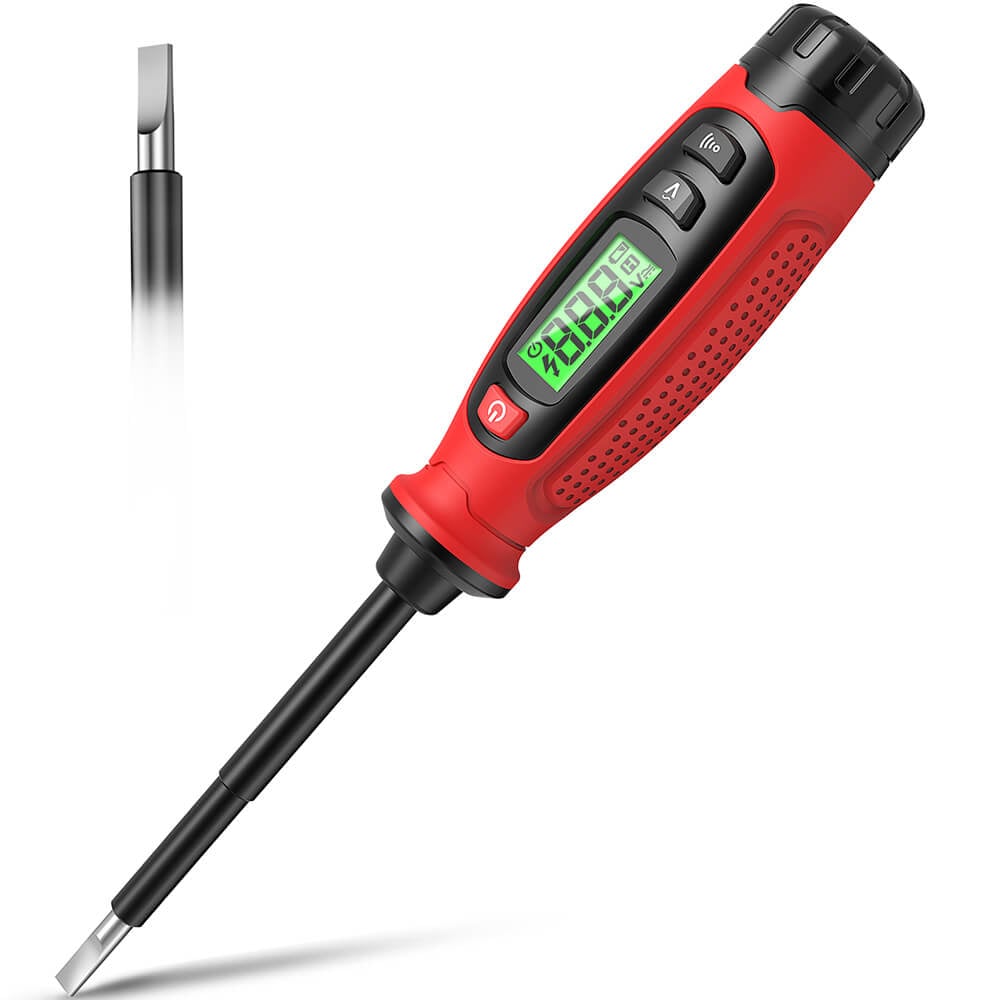
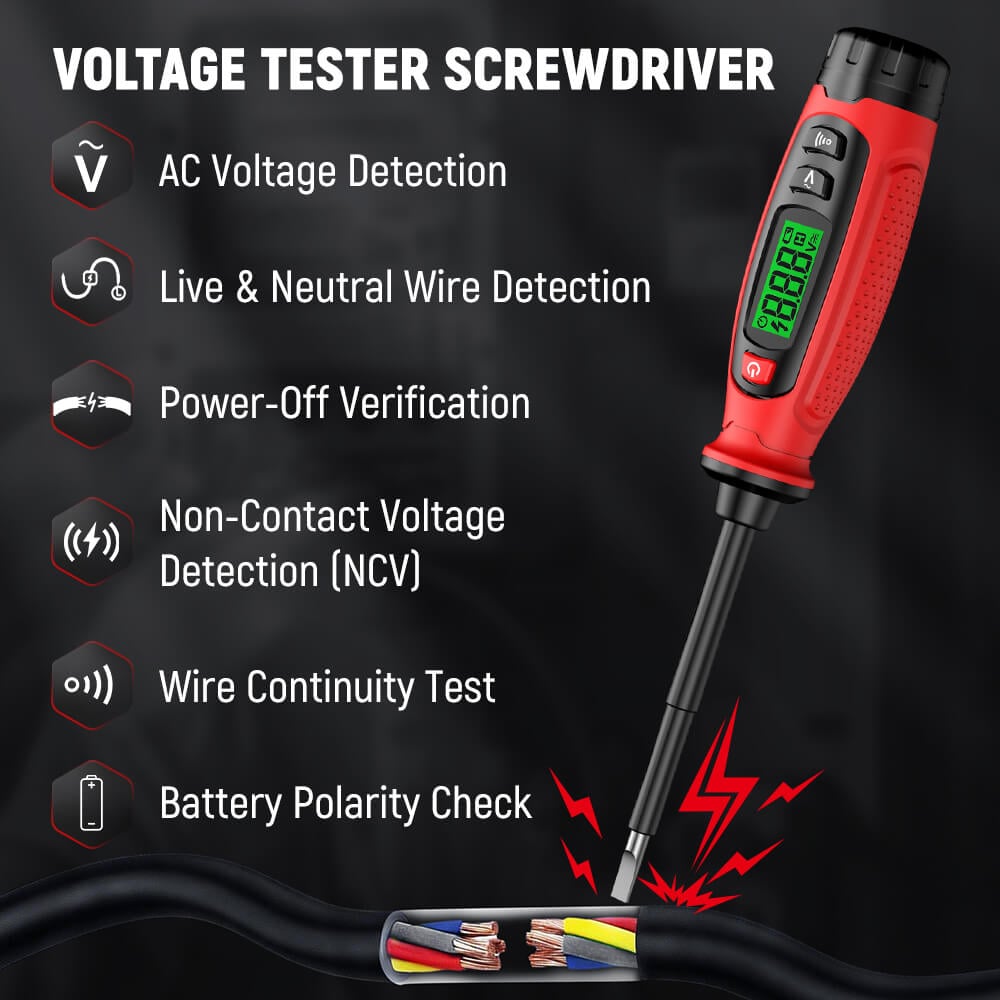
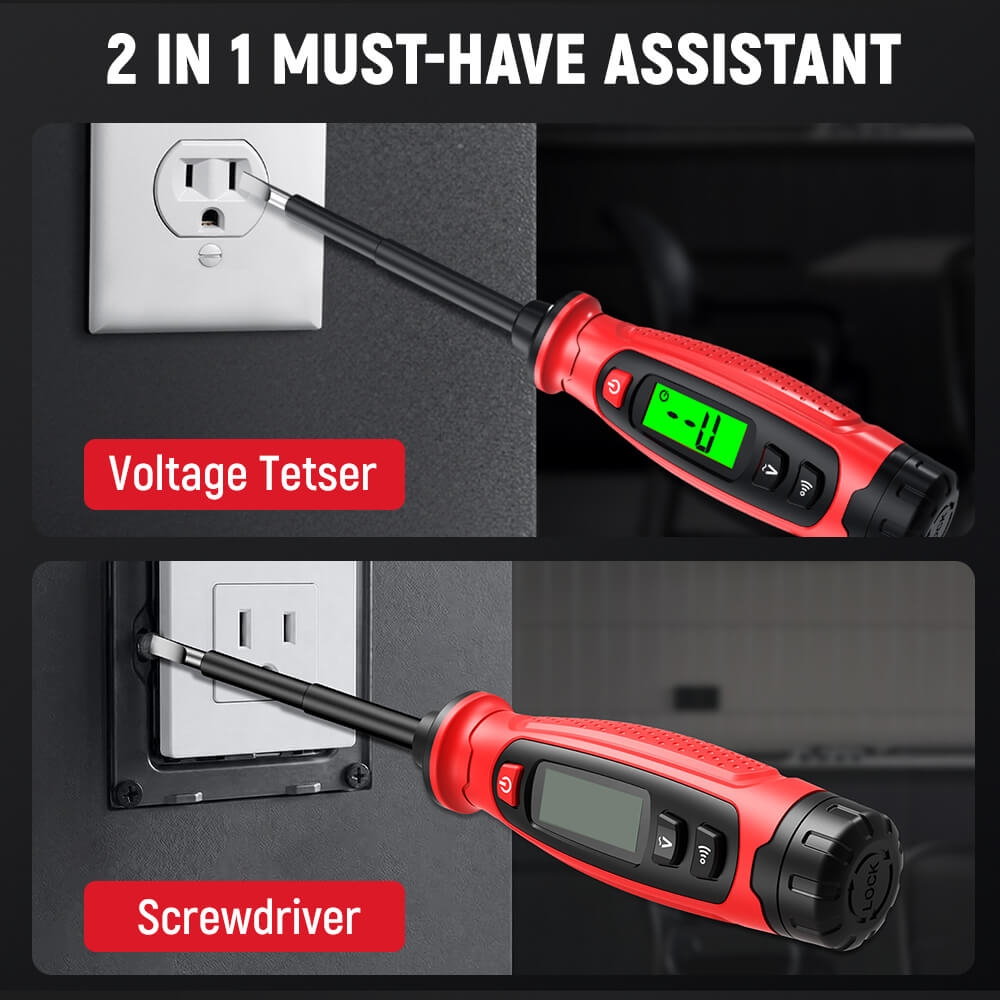
Effective home tool collections typically include several important categories measuring and marking tools, fastening tools, cutting tools and diagnostic equipment. Within these categories, specific needs emerge based on the types of projects homeowners anticipate completing. Measuring accuracy prevents costly mistakes during installation or assembly. Fastening tools span manual screwdrivers to power drills, depending on project frequency and scale. Cutting tools range from simple hand saws to rotary tools with specialized attachments for different applications. Diagnostic equipment, such as multimeters and stud finders, prevents damage during wall mounting and electrical work. Kaiweets offers options across these categories, allowing homeowners to select items matching their anticipated projects and skill levels.
Power Tools as Efficiency Multipliers
Power tools dramatically reduce time investment for many household projects, making them worthwhile additions to personal collections once the scope of anticipated work justifies the investment. Cordless drills streamline fastening and drilling tasks efficiently; oscillating tools handle multiple cutting and sanding applications; impact drivers excel at fastening resistant screws with minimal physical strain. These tools typically require less physical effort than equivalent manual processes, a consideration for homeowners with strength limitations or arthritis. Kaiweets provides power tool options designed specifically for residential use, featuring ergonomic designs and battery capacities appropriate for typical household applications rather than commercial renovation projects demanding extended runtime.
Safety Considerations in DIY Work
- Always wear appropriate personal protective equipment, including safety glasses when using power tools.
- Ensure proper grounding and electrical safety when using electrically-powered equipment in wet environments.
- Review user manuals thoroughly before first use to understand operational procedures and safety features.
- Maintain tools properly, keeping blades sharp and batteries charged, to ensure safe and efficient operation.
- Use appropriate tool sizes for intended applications rather than forcing unsuitable tools to perform tasks they weren’t designed for.
Organizing and Maintaining Your Tool Collection
Tool organization substantially affects both convenience and safety in workshop environments. Tools stored haphazardly become difficult to locate and more likely to suffer damage over time. Organizing systems, from simple wall-mounted racks to toolboxes with dedicated compartments, enable quick identification and reduce the mental burden of tool management. Maintenance requirements vary by tool type power tools benefit from regular battery charging and occasional cleaning, while hand tools require occasional sharpening and rust prevention. Kaiweets tools include straightforward maintenance requirements, with many models designed for durability with minimal specialized care beyond basic cleaning and proper storage.
Matching Tools to Project Scope
New DIYers often invest in expensive, professional-grade equipment anticipating future use that may never materialize. This approach frequently results in costly tools sitting unused in storage. A better strategy involves beginning with affordable, reliable tools for projects currently anticipated, then expanding the collection as additional skills develop and project scope increases. This gradual approach allows meaningful cost management while preventing premature investment in specialized equipment. Kaiweets products facilitate this incremental approach, with affordably-priced options suitable for entry-level projects alongside more specialized equipment for advancing hobbyists.
Building Confidence Through Tool Competence
Completed DIY projects significantly enhance household satisfaction and confidence in managing property effectively. Beginning with simple tasks, assembling furniture, installing shelving, basic repairs, develops practical skills and familiarity with tool operation. This confidence typically motivates expansion into more complex projects over time. Tools serve as enablers of this progression, removing technical barriers to successful project completion. Kaiweets tool designs emphasize accessibility, with intuitive controls and designs that minimize learning curves for individuals without professional experience.
A personal tool collection represents investment in household autonomy and self-reliance for the future. Rather than postponing maintenance or improvements pending contractor availability, prepared homeowners maintain properties proactively and responsively. Effective collections need not be extensive or expensive; they should prioritize reliability and appropriateness for anticipated tasks. Building a functional collection gradually, with tools selected for specific projects, produces the most practical results for residential applications and long-term satisfaction.