A lot of health advice starts with averages. How much sleep adults need, which foods belong on the plate, how often we should exercise, and even which workout style is supposedly ideal. Those averages can be useful, but bodies rarely behave like averages.
Two people can eat similar meals, follow the same training plan, and keep roughly the same schedule while feeling completely different. Genetics is not the only reason for that difference, but it can be one part of the explanation.
This is what makes CircleDNA interesting. Its at-home DNA test is designed to look beyond family origins and provide information across health, nutrition, fitness, sleep, disease risk, drug response, ancestry, and other areas. The Premium test currently includes more than 500 reports across over 20 health categories.
So, What Is Your DNA Actually Saying?
A genetic report is not a fortune teller. Finding a genetic tendency does not mean something will definitely happen. Lifestyle, environment, age, medical history, and many other factors still matter.
What DNA testing can provide is another piece of the puzzle.
CircleDNA uses Next Generation Sequencing technology and says it analyzes millions of genetic data points. The resulting reports translate that information into categories that are easier to connect with everyday life.
Some findings may simply satisfy curiosity. Others might make you reconsider habits you have followed for years without thinking much about why.

Food Gets More Interesting When Genetics Enters the Conversation
Nutrition is a good example. Standard dietary advice has its place, but individual nutritional needs can vary.
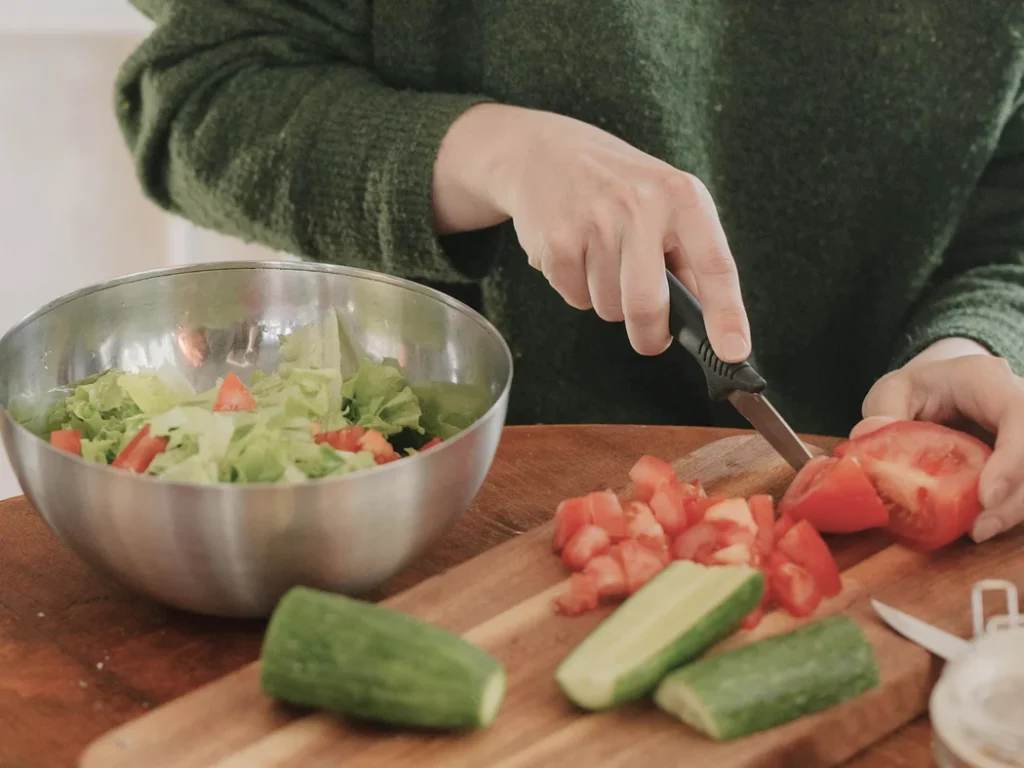
CircleDNA’s nutrition reporting covers areas connected with vitamins, minerals, dietary factors, and nutrient needs. Its reports include information on nutrients such as vitamin D, vitamin B12, iron, magnesium, zinc, and omega-3s.
That makes genetic nutrition a particularly practical area to explore. Instead of assuming every popular diet suits every body equally well, genetic information can provide extra context for conversations about food.
It can also encourage a more thoughtful approach to healthy eating. The goal is not to let genetics choose every meal. It is to understand your body better and combine those insights with sensible nutritional guidance.
Your Workout Preferences May Have More Behind Them
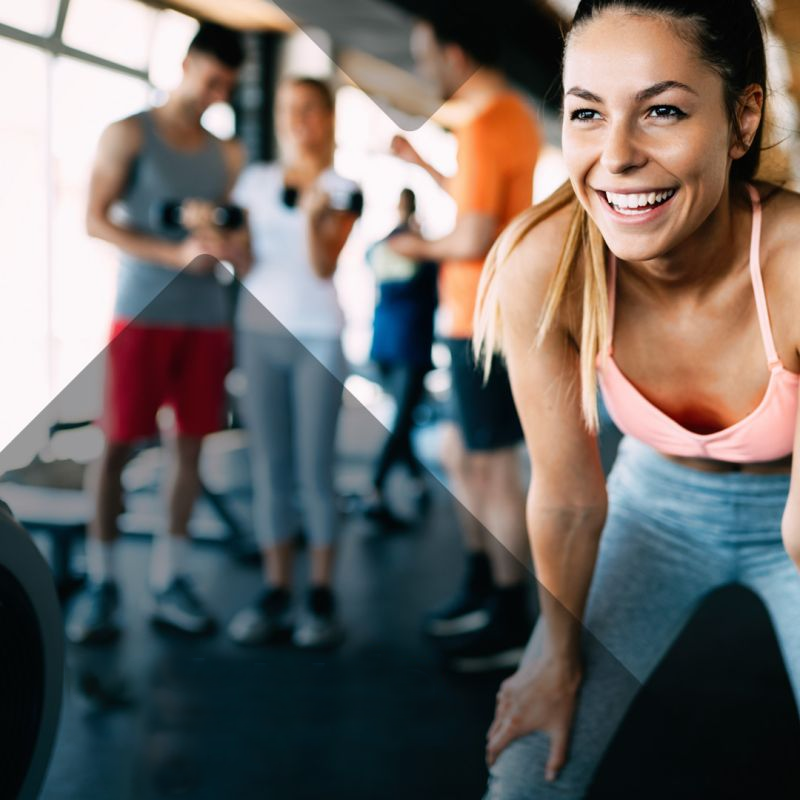
Some people genuinely enjoy endurance training. Others would rather spend 30 focused minutes lifting weights than run for an hour. Experience and personality influence those preferences, but physical traits and genetic tendencies can matter too.
CircleDNA includes sports and fitness reports covering areas such as strength, power, endurance, body composition, injury risk, and exercise recovery.
For anyone trying to create a sustainable fitness plan, this information could add a useful personal angle. It may help explain why certain types of training feel more natural or why recovery deserves more attention.
That does not mean abandoning a workout because a report suggests another style. Think of the results as information to consider rather than instructions carved in stone.
Then There Are the Clues You Might Not Expect
The appeal of CircleDNA is partly in how wide the reports go.
Sleep and stress are included alongside more familiar diet and fitness categories. There are also reports concerning common health risks, inherited disease risks, family planning, ancestry, behavioural traits, skin health, and responses to certain drugs.
That breadth can turn genetic insights into something more relevant to everyday decisions.
Consider sleep health. Most people already know that staying up too late is unlikely to help them feel refreshed. Genetic information adds a different layer by helping users explore individual tendencies related to sleep and stress.
Health risk information can feel more serious. A genetic predisposition is not the same as a diagnosis, so results involving health risks should be interpreted carefully and discussed with an appropriate healthcare professional when necessary.
The Real Value Is Knowing What to Do With the Information
Collecting the sample itself is fairly straightforward. CircleDNA uses an at-home saliva swab that is returned for analysis, with results later available through its app. The company states that results are generally accessible after 18 business days.
The more important part comes afterward.
Hundreds of reports can tell you plenty about genetic tendencies, but information becomes useful when it helps you ask better questions. Maybe you pay closer attention to recovery. Perhaps you discuss a nutrient concern with a professional. You might finally understand why a particular routine has never felt quite right.
DNA cannot write the perfect health plan for you. What it can do is reveal details that were previously invisible, giving you a more personal starting point for decisions about your wellbeing.
Sometimes knowing yourself a little better is enough to change how you look after yourself.