
Most of us have picked up health habits from somewhere else. A workout routine from a friend, a diet that looked convincing online, or a sleep schedule recommended by someone who somehow wakes up cheerful at 5 a.m. The problem is that what works beautifully for one person can feel completely wrong for another.
Part of that difference can come down to genetics. Your genes do not dictate every health outcome or tell you exactly how to live, but they can offer another layer of information about how your body may respond to food, exercise, stress, sleep, and other lifestyle factors.
That is the interesting idea behind CircleDNA. Instead of treating DNA testing purely as a way to explore ancestry, the service turns genetic information into hundreds of reports covering health and everyday wellbeing.
Your Diet Might Be More Personal Than You Think
Nutrition advice often sounds surprisingly universal. Eat this. Avoid that. Follow a particular ratio of protein, carbohydrates, and fat. Real bodies are more complicated.
Genetic differences can influence factors connected with nutrient requirements, food sensitivities, appetite, and metabolism. CircleDNA includes reports related to diet and nutrition, with the aim of helping users understand where their individual tendencies may differ.
This can make personalized nutrition feel less like following the latest eating trend and more like learning about your own body. It does not mean a DNA report should replace advice from a doctor or dietitian. Instead, it can give you useful questions to bring into those conversations.
Even something as ordinary as healthy eating becomes more interesting when you stop assuming there is one perfect approach for everyone.

Exercise Is Another Place Where Genetics Gets Interesting
Ever wondered why one person seems built for long runs while someone else feels far more comfortable with short, intense workouts?
Training history, motivation, recovery, age, and lifestyle all matter, but genetics can also contribute to physical traits. CircleDNA’s fitness reports cover areas such as exercise response, body composition, injury risk, and recovery.
For someone trying to build a realistic fitness routine, those insights may provide a useful starting point. Instead of copying someone else’s program exactly, you can think more carefully about the type of training that feels sustainable for your body.
The same goes for exercise recovery. Rest days can look unproductive on paper, but recovery is part of training, not time away from it.
Sleep and Stress Deserve Some Attention Too
Food and workouts usually get most of the attention in health conversations, while sleep gets pushed aside until something goes wrong.
CircleDNA includes reports related to sleep and stress as part of its wider lifestyle analysis. That could be useful for someone who has already tried the usual sleep advice but still wants to understand their natural tendencies a little better.
Knowing more about your sleep health will not magically fix late nights or an overloaded schedule. What it can do is encourage you to notice patterns and make more deliberate choices.
The same principle applies to stress management. Genetics are only one part of the picture, and CircleDNA itself notes that environment and lifestyle influence how genetic tendencies actually show up.
There Is More Here Than Lifestyle Advice
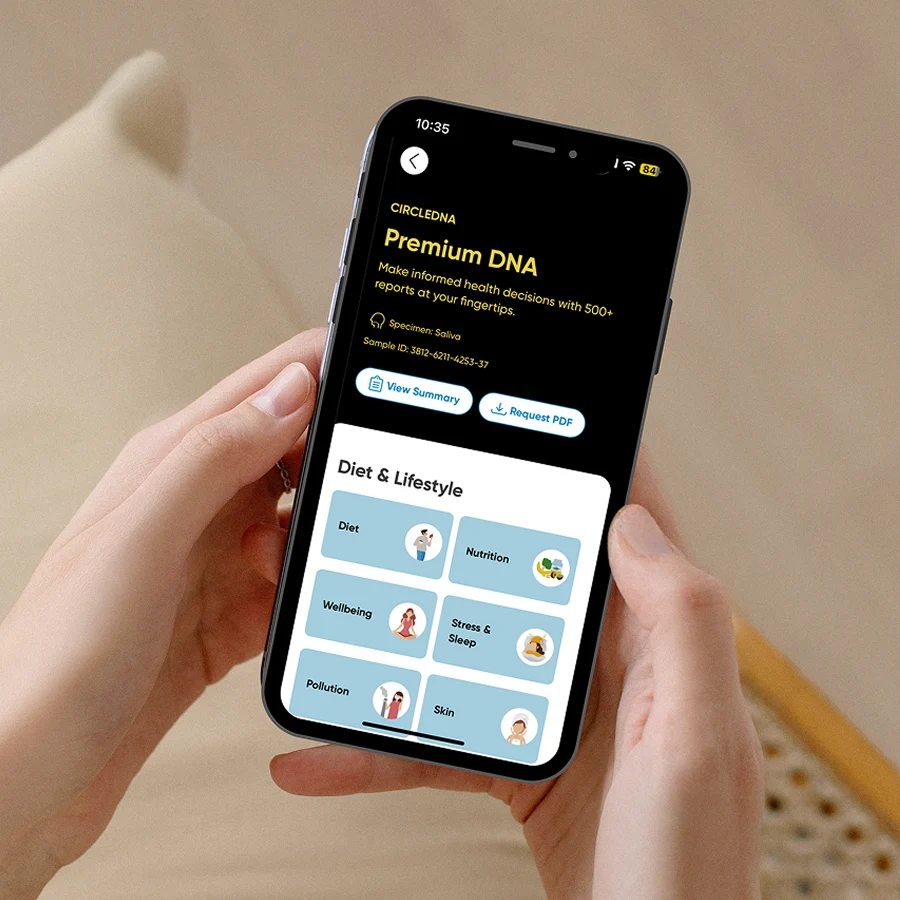
One reason CircleDNA stands out is the range of information included. The company says its Premium test provides more than 500 reports across over 20 health categories, using Next Generation Sequencing technology. These extend beyond diet and exercise into areas such as ancestry, inherited disease risks, drug response, family planning, skin health, and behavioural traits.
For anyone curious about genetic testing, that breadth is important. You are not sending off a sample simply to receive one narrow answer.
The process is also designed for home use. The kit involves collecting a sample, returning it for analysis, and later accessing the resulting reports through the app.
Better Habits Can Start With Better Context
A DNA test cannot decide what you should eat for dinner, make you exercise, or guarantee that a particular routine will work. Health is shaped by genetics, environment, habits, medical history, and plenty of other factors.
What genetic insights can offer is context.
Sometimes that is exactly what is missing when generic health advice stops being useful. Understanding more about your own tendencies can help you ask better questions, experiment more thoughtfully, and choose habits for reasons that feel personal rather than fashionable.
And that may be the most useful part of looking at your DNA: not receiving a rigid set of rules, but getting another piece of information about the body you have been living in all along.