Reliable electricity has become essential to everyday life. Refrigerators, lighting, communications equipment, medical devices and cooling systems all depend on a steady supply of power. When severe weather, grid failure or another emergency causes an outage, a dependable backup system can help households remain safer, more comfortable and better connected.
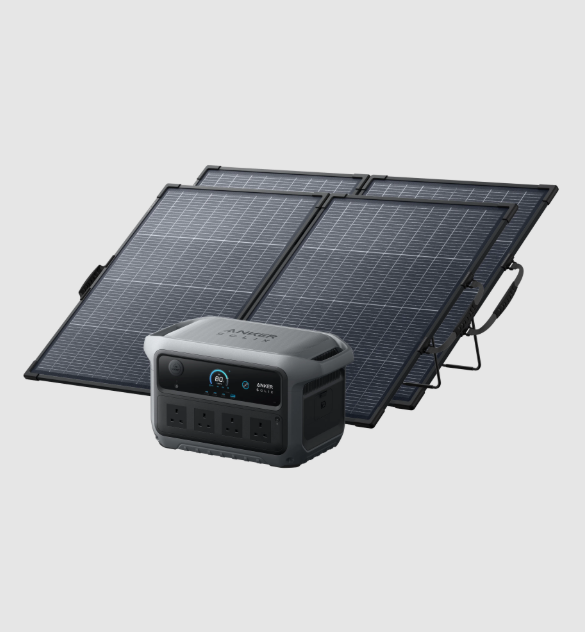
Anker SOLIX offers a range of whole-home backup systems and portable power stations designed for different levels of energy independence. Its products include the smart hybrid E10 system, the expandable F3800 Plus, the essential-home-focused F3000 and the portable S2000.
Together, these options provide several ways to prepare for storms, temporary blackouts, off-grid journeys and longer interruptions to the electricity supply.
A Global Backup-Power Brand
Anker SOLIX describes its products as the backup power customers need for both everyday resilience and emergency preparation. According to the brand, Anker products are available in 146 countries, more than 200 million products have been sold worldwide and the company has spent a decade pioneering charging technology.
The SOLIX collection applies this experience to larger energy needs. Instead of focusing only on charging a phone or laptop, its power stations and home-energy systems are intended to support appliances, lighting and other essential household equipment.
The appropriate solution depends on what a customer wants to operate, how long backup power may be required and whether the system needs to be portable. Some households may want automatic coverage across multiple circuits, while others need a manually activated source of power for a few essential appliances.
Anker SOLIX E10 Whole-Home Backup System
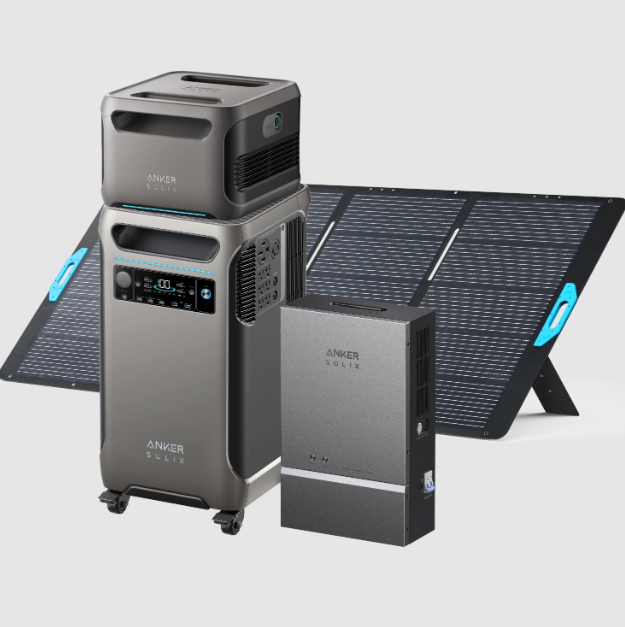
The Anker SOLIX E10 is presented as the world’s first smart hybrid whole-home backup system. It is designed to combine intelligent monitoring, automatic preparation and circuit-level power management.
According to Anker SOLIX, the E10 monitors severe weather and can charge automatically using solar energy or the electricity grid. This proactive approach is important because an emergency system is only useful when sufficient power is available at the moment an outage begins.
During a grid failure, the E10 is designed to switch seamlessly to backup power and issue timely reminders. It can prioritise and balance electricity across as many as 12 circuits, helping households decide which areas and appliances should continue operating.
This level of control can be particularly valuable when stored energy is limited. Rather than attempting to power everything without distinction, the system can focus available capacity on the circuits that matter most. Refrigeration, lighting, communications and selected outlets may take priority over less essential loads.
Actual backup time will depend on battery capacity, household consumption, connected appliances, installation and environmental conditions. Customers should therefore evaluate their typical energy use rather than relying on a single general estimate.
Whole-Home Backup Versus Essential Backup
Anker SOLIX distinguishes between whole-home backup and essential power backup.
A whole-home system such as the E10 is intended to create a more automated experience. It monitors conditions, prepares the battery and switches to backup when grid power is interrupted. Circuit management helps balance the available electricity across selected areas of the property.
Essential backup takes a more hands-on approach. With this setup, users manually activate a transfer switch connected to a compatible Anker SOLIX portable power station. The stored energy can then support selected household needs during the blackout.
Anker SOLIX suggests that an essential backup arrangement may keep whole-home lighting, refrigeration and a window air-conditioning unit operating, depending on the power station, battery capacity and combined load.
Neither approach is automatically right for everyone. Whole-home backup offers greater automation and broader integration, while essential backup may be more accessible for customers who want to focus on a smaller number of critical appliances.
Any transfer switch or electrical integration should be installed and operated according to local regulations and the manufacturer’s instructions. Professional electrical installation may be required.
S2000 Portable Power Station
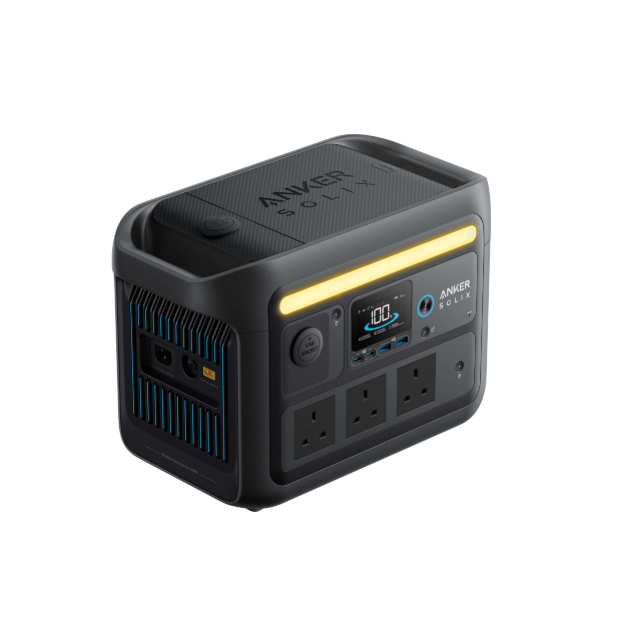
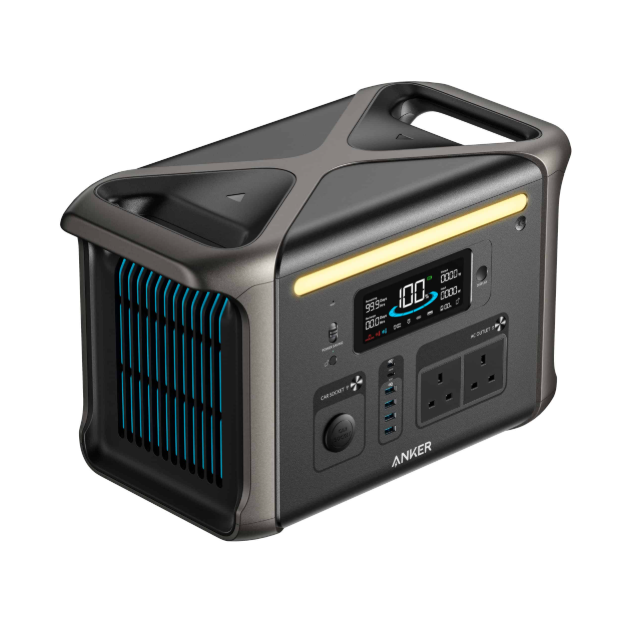
The Anker SOLIX S2000 is positioned as a long-lasting 2kWh portable power station. It offers a balance between significant energy storage and the flexibility of a movable unit.
Anker SOLIX states that the S2000 can provide up to 35 hours of refrigerator backup. This claim will depend on the refrigerator’s power consumption, usage pattern, ambient temperature and other conditions. A small, efficient fridge will generally use less energy than a large or older appliance.
A 2kWh-class power station may be useful during short outages, camping trips, remote work and outdoor events. It can support smaller devices as well as selected appliances, provided that their starting and running wattages fall within the system’s limits.
Before connecting any appliance, users should check three figures: its normal operating wattage, its temporary surge requirement and the power station’s rated output. Appliances with motors or compressors may require substantially more energy when starting.
F3800 Plus for Accessible Whole-Home Power
The Anker SOLIX F3800 Plus is presented as an accessible route to whole-home backup. Its 240V plug-and-play capability is intended to support demanding household equipment, including home air conditioning and refrigeration.
The ability to provide 240V power can be important because many large home appliances cannot operate from a conventional low-voltage portable outlet. A compatible system creates greater flexibility when planning which household loads will remain available during an outage.
The F3800 Plus may appeal to customers who want more capability than a standard portable station without immediately moving to a permanently installed battery system. Its suitability will still depend on the property, the appliances involved and the method used to connect it to the home.
Users should not improvise connections between a power station and household wiring. A properly designed transfer arrangement helps isolate the building from the utility grid and reduces the risk of dangerous backfeeding.
F3000 for Essential Home Backup
The Anker SOLIX F3000 is described as a long-lasting essential home-backup solution. Its purpose is straightforward: keep lights and important devices operating through a storm or blackout.
Not every household needs to run central cooling, electric heating or every appliance during an emergency. In many situations, maintaining basic lighting, communications, refrigeration and small electronics is enough to make the outage more manageable.
This focused approach can preserve stored energy. Switching off unnecessary loads and operating high-consumption appliances only when needed may extend the amount of time a power station can support the home.
The F3000 may also suit people who want one unit for both emergency preparation and portable use. Before purchasing, customers should compare its weight, output, capacity, available ports and expansion options with their intended applications.
Solar Charging and Greater Energy Independence
Solar charging can improve the usefulness of a backup system during an extended outage. While a battery stores electricity, solar panels provide a way to replenish part of that energy when sufficient sunlight is available.
Actual solar input varies according to panel capacity, weather, season, shading, orientation and location. A system will rarely receive its maximum advertised solar input throughout an entire day.
For this reason, solar planning should be realistic. Customers need to compare expected daily generation with the amount of energy used by their essential appliances. Reducing consumption remains important even when panels are available.
Solar charging can also serve non-emergency uses. Campers, motorhome travellers and people working in remote locations may use portable panels to recharge a power station away from the grid.
Preparing for Storm Season
Anker SOLIX promotes storm preparation through its “Storm Preppers” initiative. The central message is that households should arrange backup power before severe weather arrives.
A power station should be charged regularly and stored in a dry, accessible location. Cables, adapters and solar connectors should remain organised so that they can be located quickly. Household members should understand which appliances may be connected and how to operate the equipment safely.
An emergency plan should extend beyond electricity. Drinking water, shelf-stable food, medication, flashlights, batteries and a first-aid kit may all be needed. Important contact details and local emergency alerts should remain accessible even if mobile data or home internet service is disrupted.
Fuel-powered generators must never be operated inside homes, garages or other enclosed spaces because of the risk of carbon monoxide poisoning. Battery power stations do not produce exhaust during normal operation, but they still require proper ventilation and should be used according to the manufacturer’s safety guidance.
Choosing the Right SOLIX System
Selecting a backup-power product begins with estimating energy needs. Customers should make a list of the appliances they consider essential and record both running and surge wattages.
The next step is deciding how long those items need to operate. Battery capacity is commonly measured in watt-hours. In simplified terms, a 100-watt appliance could theoretically run for 10 hours on 1,000 watt-hours of stored energy, but conversion losses and real-world conditions reduce the actual duration.
Customers should also consider charging methods, expansion capacity, portability and installation requirements. A portable station may be sufficient for occasional short outages, while a whole-home system can provide greater automation and coverage.
Households with medical equipment or other critical electricity requirements should seek qualified guidance and maintain a robust emergency plan rather than depending on a single consumer device.
Fan Fest Savings and Member Benefits
Anker SOLIX advertised its Fan Fest Mega Sale for August 10–23, offering savings of up to 48% on selected products. The campaign also promoted gifts, member deals and other benefits.
For E10 home-backup purchases, the brand advertised up to $2,767 in free gifts, member perks and 0% APR financing, subject to eligibility and promotional terms. Availability, prices, financing conditions and gifts can change, so customers should confirm the current details directly before purchasing.
A discounted price can make a backup system more accessible, but the buying decision should still be based on capacity, output and compatibility. The most valuable product is the one that can safely support the customer’s actual needs.
Powering the Home the SOLIX Way
Anker SOLIX provides a broad route into energy preparedness. The E10 focuses on intelligent, automatic whole-home support, while the F3800 Plus brings 240V capability to a more accessible backup format. The F3000 concentrates on essential household loads, and the S2000 offers 2kWh-class portable power for refrigerators, devices and outdoor use.
Each product serves a different purpose, but the overall goal is the same: keep important equipment operating when conventional electricity is unavailable.