
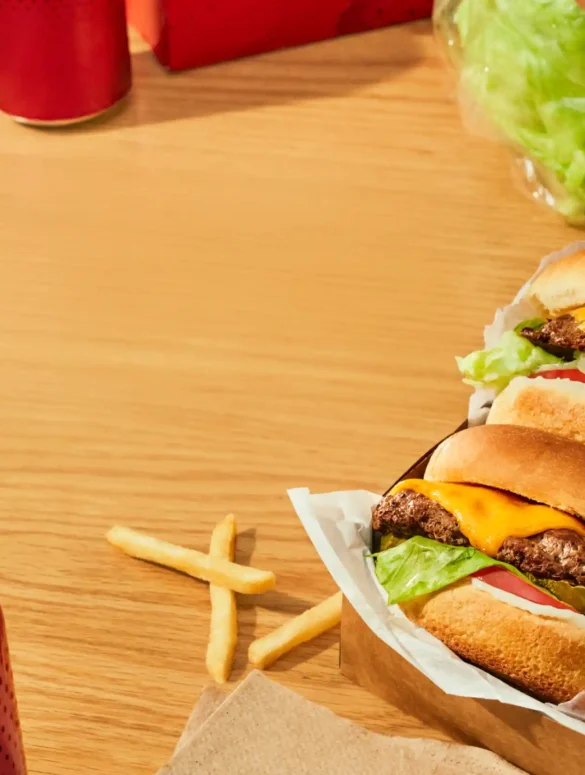
Navigating restaurant selection and order placement requires strategy to maximize value and satisfaction. Whether seeking everyday meals or special occasion dining, understanding how to identify quality establishments and unlock deals transforms the restaurant ordering experience. Successful diners develop systems for comparing options, timing orders and capitalizing on promotions that make restaurant meals more affordable and enjoyable. The difference between casual ordering and strategic ordering can amount to hundreds of dollars in annual savings.
Evaluating Restaurants Before You Order
Restaurant choice determines meal quality and value. Uber Eats provides detailed information including menus, customer reviews, ratings and restaurant badges indicating quality certifications. Reading recent reviews specifically about food quality, not delivery speed, reveals consistent performance. Restaurants with high ratings across multiple review platforms earn justified trust. Customer photos show actual plated presentations, clarifying portion sizes and visual appeal. Checking average delivery time helps set expectations, particularly during peak hours. Uber Eats filters enable sorting by cuisine, dietary options and rating to narrow choices quickly. New restaurants often offer launch promotions worth exploring, provided they meet basic quality standards. Established restaurants with years of solid reviews provide more predictable experiences than newcomers. Restaurant certifications also matter when sanitation, ingredient sourcing or quality standards matter to you.
Understanding Delivery Fees and Surge Pricing
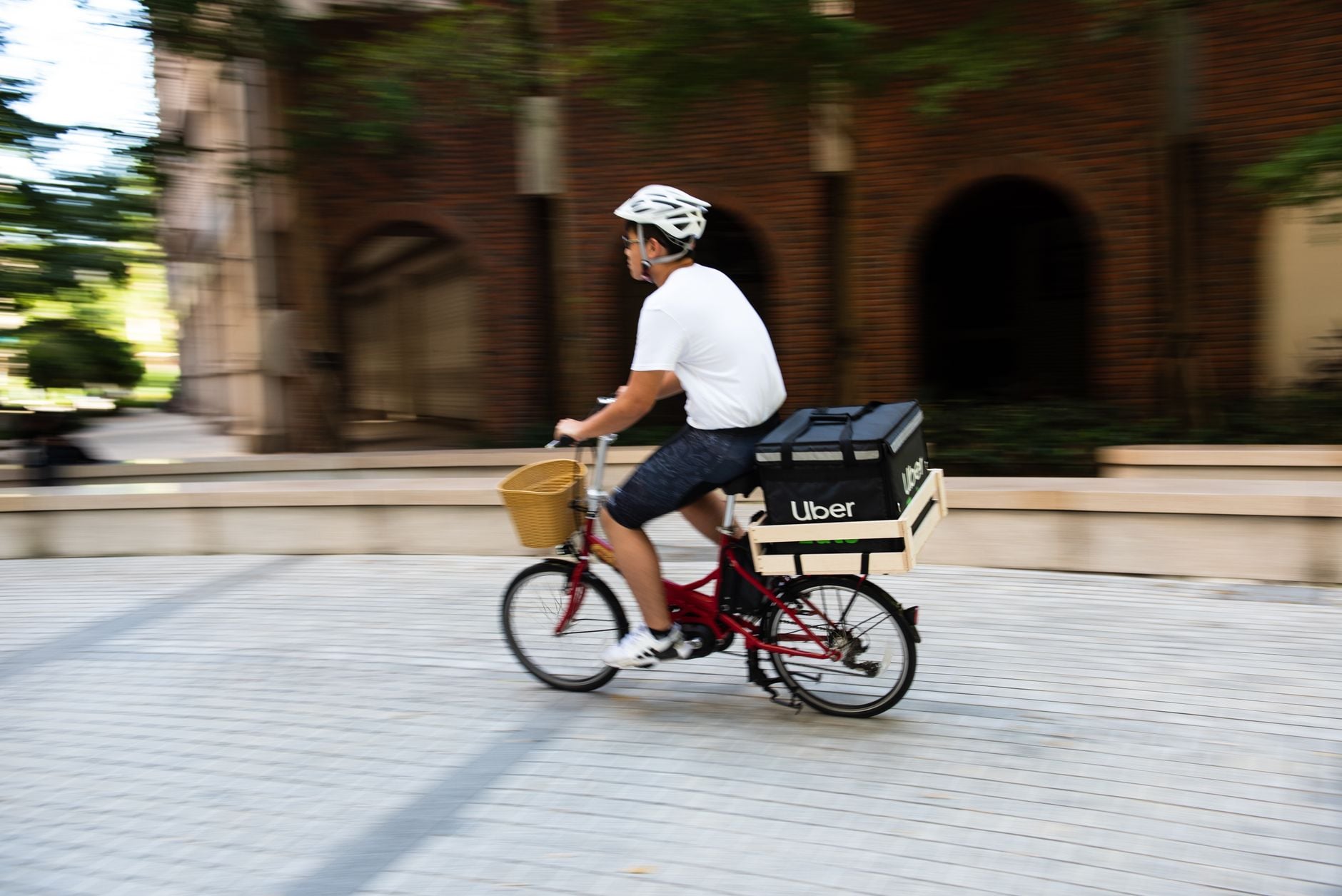
Delivery fees, service charges and small order minimums significantly impact final cost. Uber Eats displays complete pricing before checkout, preventing surprises. Weekday off-peak ordering typically involves lower delivery fees than weekend rush times. Surge pricing during peak dinner hours increases costs substantially, so afternoon or late-night orders often provide better value. Understanding these patterns helps budget-conscious diners time purchases strategically. Restaurant order minimums vary by location and may change seasonally. Grouping orders from the same restaurant or consolidating with household members reaches minimums efficiently while maintaining meal freshness. Distance also affects costs, with nearby restaurants providing lower delivery charges than distant establishments. Most users find that shifting dinner orders one hour earlier or later saves 20-40 percent on delivery charges.
Maximizing Discounts and Promotional Offers
Successful restaurant ordering requires tracking active promotions. Uber Eats prominently displays restaurant-specific discounts, percentage-off offers and free-item promotions. Loyalty programs reward frequent customers through points accumulation, birthday specials and referral bonuses. New user promotions offer first-order discounts, sometimes up to 50 percent, representing substantial savings on initial orders. Flash promotions appear in push notifications and the app’s featured section, requiring awareness to capitalize. Combining multiple discounts when possible, such as loyalty points plus restaurant promotions, maximizes savings further. Seasonal promotions around holidays and sports events feature limited-time menu items and special pricing. Corporate partnerships sometimes provide exclusive deals through employer programs. Tracking which restaurants offer the best loyalty rewards helps build your regular roster.
Customizing Orders for Quality and Preferences
Food customization controls meal quality and satisfaction. Most restaurants allow substitutions, removal of ingredients and cooking preference specifications through Uber Eats order instructions. Requesting sauces and dressings on the side prevents soggy items and allows portion control. Temperature requests, such as extra-hot or warm, help maintain optimal serving conditions during delivery. Dietary accommodations including gluten-free, vegetarian or allergy information should be clearly noted. Photos in menus show default presentations, but customization reflects personal preferences. Restaurants accustomed to platform orders build processes supporting detailed instructions. Clear communication prevents errors and disappointment, making the effort worthwhile.
Timing Orders for Peak Freshness
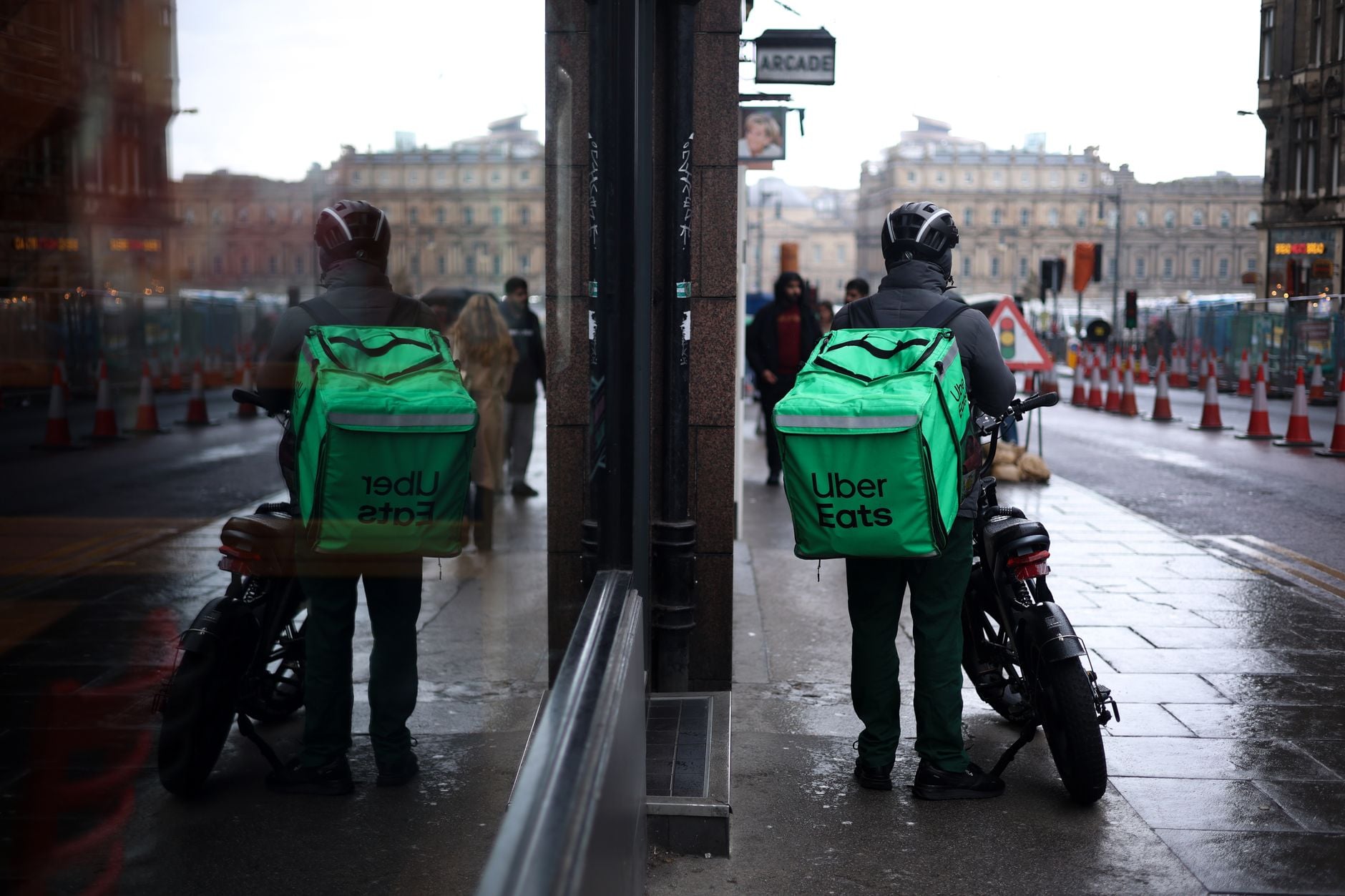
Food freshness depends heavily on timing. Uber Eats shows estimated preparation and delivery times, allowing calculation of meal arrival freshness. Ordering during moderate traffic periods, mid-afternoon or early evening before dinner rush, minimizes wait times. For temperature-sensitive meals, shorter delivery windows matter more than absolute distance. Weekday ordering typically produces faster delivery than weekend rush periods. Some restaurants accept limited orders during peak times to maintain quality. Scheduling orders strategically ensures meals arrive at optimal temperatures and textures. Tracking indicates when drivers approach, allowing final preparation by the diner if needed. This proactive timing approach consistently improves meal quality compared to ordering randomly.
Building Effective Ordering Strategies
Consistent satisfaction comes from systematic approaches
- Create a personalized restaurant shortlist, noting ratings, favorite dishes and delivery times for quick future ordering.
- Check for active promotions every time, especially loyalty deals and restaurant-specific discounts applying to your favorites.
- Order during off-peak hours (early afternoon, late evening) to reduce fees and wait times while improving delivery speed and meal quality.
- Use special instructions liberally to customize meals, specify cooking preferences and avoid common disappointments unique to your preferences.
- Build loyalty by ordering from quality restaurants repeatedly, earning points and accessing exclusive member discounts unavailable to new customers.
Mastering restaurant ordering through research, timing and customization transforms casual meals into reliable, cost-effective dining. Successful diners balance cost management with quality expectations, knowing when to splurge on premium restaurants and when budget options deliver equal satisfaction. Staying informed about active promotions requires minimal effort but yields significant savings across dozens of annual orders. Strategic ordering during off-peak hours, combined with loyalty rewards and promotional tracking, creates a system where restaurant meals become increasingly affordable and satisfying over time.