

There is a familiar cycle that happens when your feet start bothering you. You buy a pair of cushioned insoles, slip them into your shoes, and enjoy the softer feel for a while. A few weeks later, the discomfort starts creeping back. So you try another pair, perhaps one with firmer foam or a higher arch.
At some point, it is reasonable to wonder whether the problem is not the brand of generic insert, but the fact that the insert was never made for your feet in the first place.
That is the idea behind Bilt Labs. Instead of starting with a standard insole shape, the company creates medical-grade orthotics from molds of an individual’s feet. Its products are designed around personal biomechanics and specific foot concerns rather than simply adding another layer of cushioning.
Regular Insoles Have Their Limits
Store-bought inserts certainly have a place. If your shoes feel a little hard underfoot or you want extra cushioning for occasional walking, a basic insert may be enough.
The limitations become more noticeable when discomfort keeps returning.
People dealing with heel pain or tired arches may need support in particular areas rather than uniform cushioning across the entire foot. Someone with flat feet can have a completely different support requirement from someone with high arches.
Generic insoles cannot account for all those differences because they are designed to fit a broad range of feet.
Custom orthotics take another route. The goal is to match the support more closely to the shape and mechanics of the person wearing them.
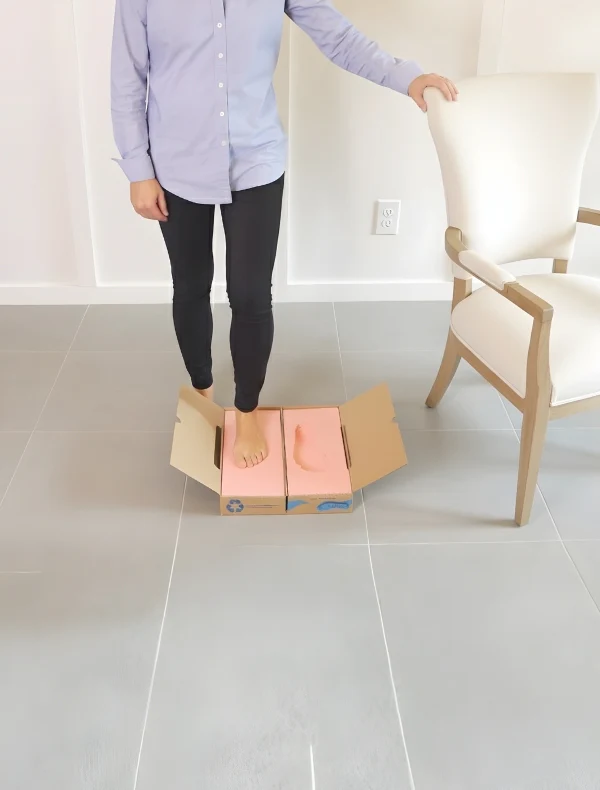
A Foot Mold Changes the Starting Point
What makes Bilt Labs interesting is that getting personalized insoles does not begin with choosing a size from a shelf.
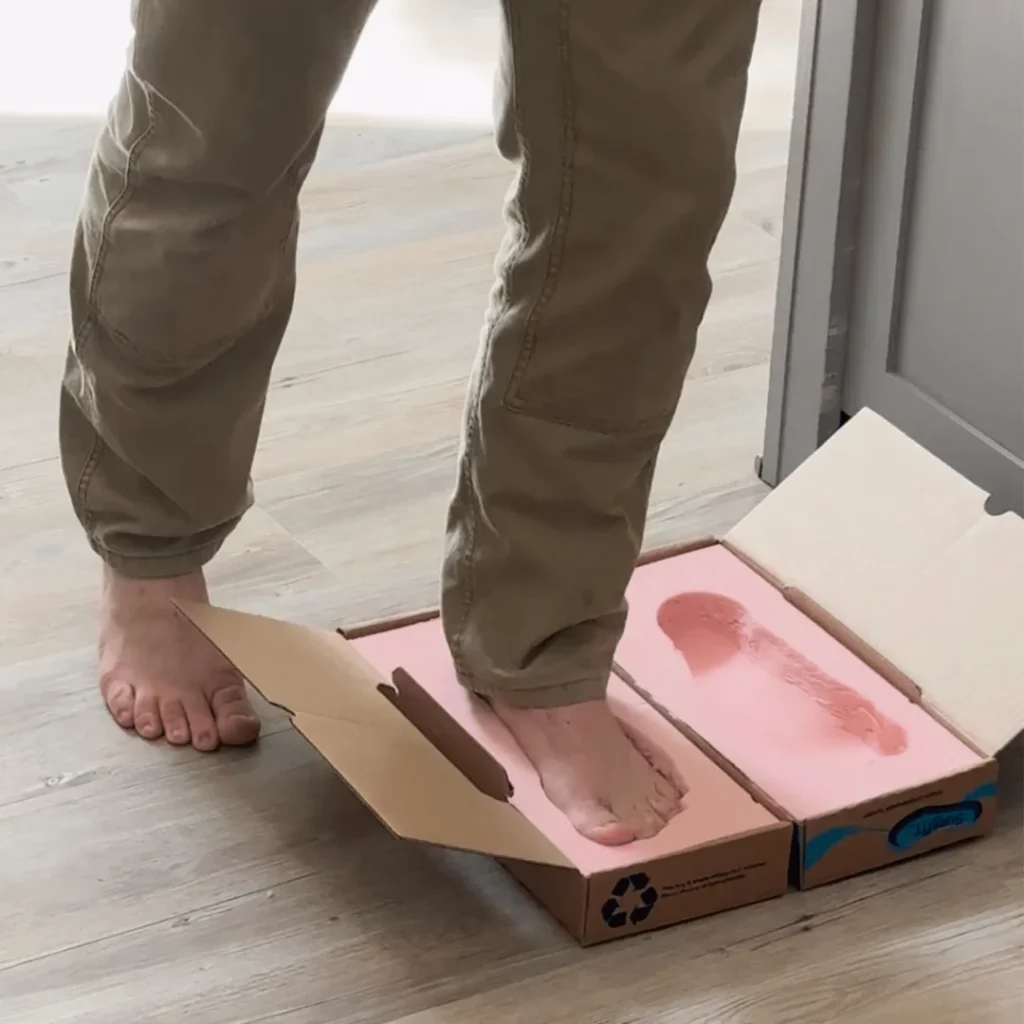
Customers complete an assessment and receive an impression kit for making detailed molds of their feet at home. Those molds are sent back to the lab, where they are used to design and manufacture the orthotics. The company says its insoles are made in the USA and reviewed under podiatric oversight.
That process matters because custom orthotics are intended to provide support based on an individual foot rather than an average foot shape.
There is also a practical advantage here. You can complete the molding process at home instead of arranging an appointment simply to have impressions taken.
Sometimes Softness Isn’t What Your Feet Need
It is easy to judge an insole by how comfortable it feels during the first five minutes. Soft foam feels pleasant, so it seems like the obvious answer.
But cushioning and structural support are not the same thing.
Consider plantar fasciitis. Bilt Labs describes its orthotics for this condition as using semi-rigid support to stabilize the arch and manage excessive foot motion. Its flat-feet orthotics similarly focus on supporting fallen arches and controlling overpronation.
This is also why proper arch support can matter more than simply choosing the thickest insert available. The useful question is not just, “How soft is this?” It is, “What is this actually supporting?”
That distinction becomes particularly relevant if you spend most of the day standing, walk long distances, exercise frequently, or repeatedly find yourself replacing compressed foam inserts.
Your Daily Routine Matters Too
Footwear does not exist separately from the rest of your day.
Someone working long shifts on their feet has different demands from a runner or regular gym-goer. Bilt Labs offers Everyday cushioning aimed at walking, standing, and daily use, as well as an Active option built around higher-impact activities and repeated stress.
Your natural movement also matters. foot alignment can be affected by issues such as overpronation or supination, which change how pressure travels through the foot during movement.
For people who experience foot fatigue after long periods of activity, looking beyond basic cushioning can therefore make sense.
Knowing When It Is Time to Move Beyond Generic Inserts
There is no reason to abandon inexpensive insoles if they are doing exactly what you need. Customization is most appealing when the standard options have already had their chance.
If you have bought several inserts, experimented with different levels of cushioning, and still cannot find consistent comfort, Bilt Labs offers a more individualized option. The company builds its orthotics from your foot molds and tailors the design according to the information gathered about your feet and activity.
Of course, persistent or worsening foot pain deserves proper medical attention. Insoles should not be treated as a substitute for diagnosis when something more serious may be going on.
But when the issue is that ordinary inserts simply feel too generic, having support made around your actual feet is a logical next thing to consider. Sometimes buying another pair off the shelf is not the answer. A better fit may start with making the insole fit you.