There is a point in almost every DIY project when the little household toolkit stops being enough. Tightening a loose cabinet handle is one thing. Putting up shelving, building a garden feature, renovating a room, or tackling regular repairs is a different story.
Having the right equipment does not mean filling the garage with tools that get used once. A better approach is to build a practical collection around the jobs you actually do. Tooled-Up makes that easier because its range covers everything from everyday hand tools to larger workshop and garden equipment.
Start With Tools You Will Reach for Again and Again
Before buying anything specialised, it makes sense to cover the basics. A hammer, tape measure, screwdrivers, pliers, utility knife and a decent spirit level can handle a surprising number of household jobs.
A well-chosen set of hand tools is particularly useful because these are the things that tend to come out of the toolbox most often. Cheap versions can be fine for occasional use, but uncomfortable handles, poor grips and weak materials become frustrating once projects get longer.
It is usually smarter to buy fewer useful pieces than a huge kit packed with tools you barely recognise.
A Cordless Drill Changes What You Can Take On
If there is one upgrade that makes DIY noticeably easier, it is a reliable drill. Hanging shelves, assembling furniture, drilling into timber and driving screws all become quicker.
Modern cordless tools are especially convenient when you are moving between rooms or working somewhere without an easy power connection. Battery-powered equipment also removes the hassle of dragging an extension lead around the house.
This is where planning ahead helps. If you expect to buy several tools over time, look at battery compatibility before choosing your first one. Sticking with a compatible battery platform can mean fewer chargers and spare batteries cluttering the workshop.
The selection at Tooled-Up includes major manufacturers such as Bosch, DeWalt and Makita, so there is plenty of choice for both occasional DIY and more demanding projects.
Do Not Forget the Small Accessories
A powerful drill is not particularly useful if the correct bit is missing.
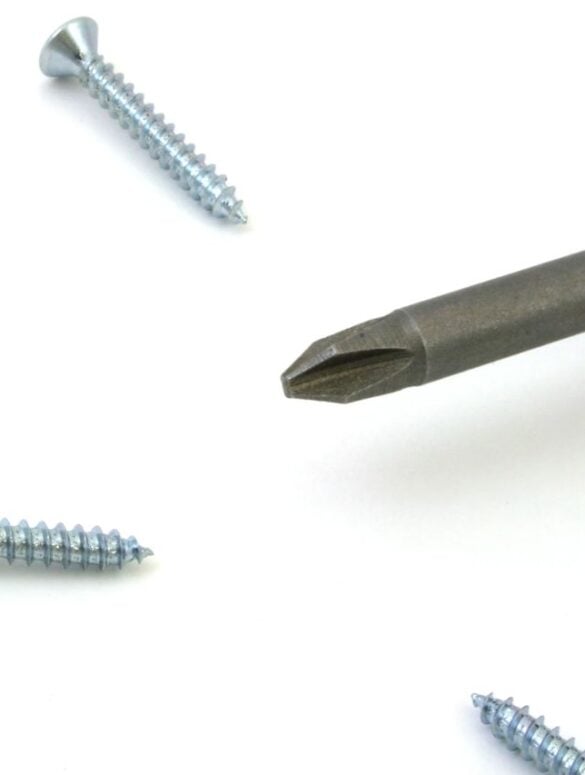
This is the less exciting side of building a toolkit, but it matters. Drill bits, screwdriver bits, blades, sanding sheets and similar power tool accessories can determine whether a job takes twenty minutes or becomes an afternoon of improvisation.
Keep a small selection suited to the materials you work with most. For typical home projects, that might include bits for timber, masonry and metal alongside common screwdriver heads.
Organisation Is Part of Having a Good Toolkit
Tools have a strange habit of disappearing exactly when they are needed. Usually they are not actually lost. They are sitting underneath three boxes, behind a paint tin, or in a drawer that nobody remembers using.
Good tool storage solves more than a tidiness problem. It protects equipment and makes it easier to see what you already own before accidentally buying another tape measure.
For a small collection, a portable toolbox may be enough. Larger setups can benefit from drawers, organisers or dedicated workshop storage. Tooled-Up carries tool boxes, storage systems, kits and workbenches alongside its main tool categories.
Think Beyond Indoor DIY
A serious home toolkit often ends up extending into the garden. Pruning, lawn care, fence repairs and seasonal maintenance all become easier with equipment designed for those jobs.
The garden tools worth owning depend heavily on your outdoor space. A compact garden may only need good secateurs, a spade and a few smaller tools. A larger lawn can justify powered equipment such as a mower, hedge trimmer or grass trimmer.
The same rule applies here: buy for your actual garden, not the garden you imagine having one day.
Safety Gear Deserves Space in the Toolbox Too
DIY is more enjoyable when you are not spending the next hour picking sawdust out of your eyes. Gloves, eye protection, hearing protection and suitable workwear are easy to overlook when the exciting purchase is a new power tool.
What you need depends on the job, but basic protective equipment should be considered part of the setup rather than an optional extra.
Build Your Collection Around Real Projects
The most useful toolkit is not necessarily the biggest one. It is the collection that lets you start a job without making three emergency trips to buy missing equipment.
With categories covering power tools, storage, measuring equipment, workwear, garden equipment and plenty more, Tooled-Up gives DIYers room to build that collection gradually.
Start with the tools you will use repeatedly, add specialised equipment when a real project calls for it, and spend a little more attention on storage and safety than you think you need. That is usually when DIY starts feeling less like improvisation and more like something you can genuinely enjoy.