
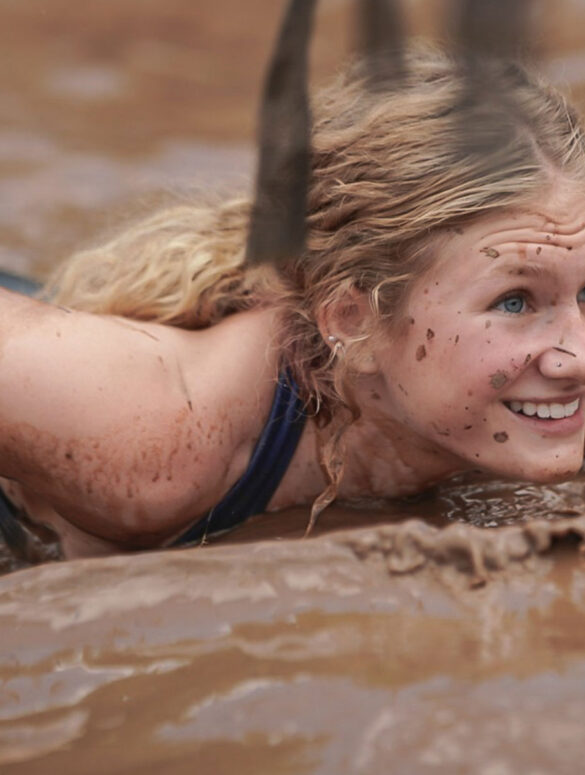
Completing an obstacle course event is an unforgettable challenge that tests both body and mind. The experience extends far beyond simply running and jumping over obstacles; it’s about pushing personal limits, working with teammates and discovering what you’re truly capable of achieving. Understanding what awaits you on race day helps you mentally prepare and approach the challenge with confidence.
The Race Start and Early Obstacles
Most events begin with a mass start where hundreds of participants line up together before being released in waves onto the course. The initial adrenaline rush is intense as you transition from anticipation to action. Early obstacles are typically designed to warm you up rather than break you down, though they immediately test your fitness level. You’ll likely encounter climbing walls, log carries or rope obstacles within the first few kilometers. The energy around you is electric, with spectators cheering and fellow participants pushing themselves forward. The camaraderie that develops early sets the tone for the rest of your race. Embrace the chaos and excitement of the start, knowing that the pace naturally slows as participants spread out across the course. Early pacing decisions are crucial, so work with your team to establish a rhythm you can maintain throughout the event. Tough Mudder courses are designed to accommodate all fitness levels, so you’ll see competitors of vastly different abilities working through the same challenges.
Mid-Course Physical and Mental Tests
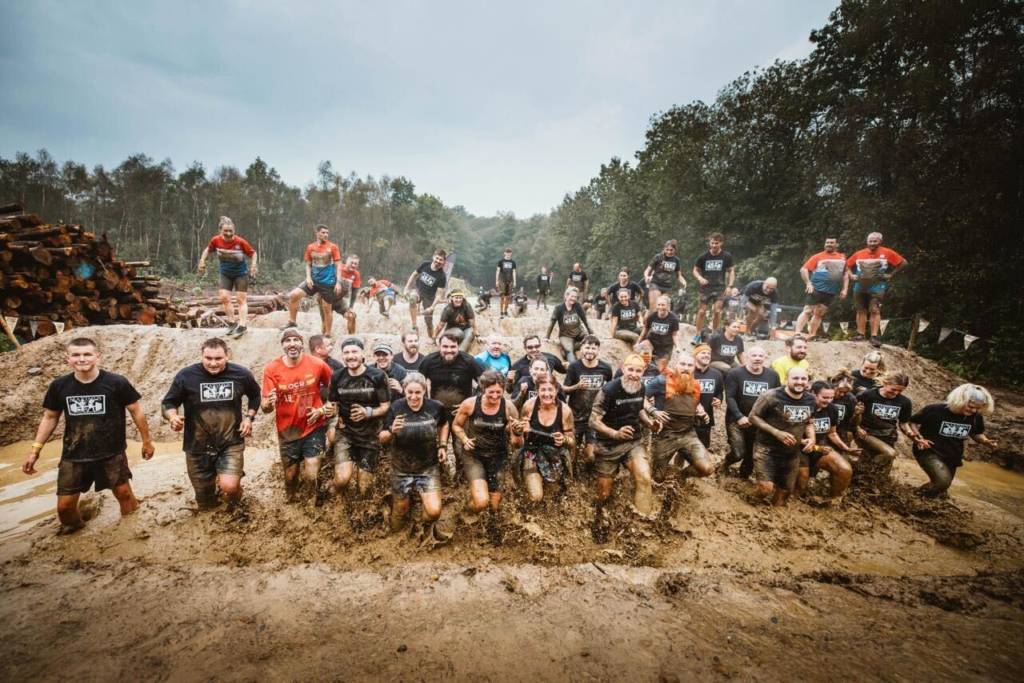
As you progress beyond the halfway point, both the obstacles and your body begin testing your determination. Water obstacles become more prevalent and the combination of mud, cold water and physical fatigue starts taking its toll. Obstacles like swinging ropes, underwater crawls and steep climbs demand both strength and problem-solving skills. Your legs grow heavy, your breathing becomes labored and doubt may creep in. This is when mental toughness becomes your greatest asset. The race is as much psychological as it is physical. Remind yourself why you signed up, celebrate small victories and focus on helping teammates through their struggles. The shared adversity creates bonds that last well beyond race day. Tough Mudder is explicitly designed to test these qualities, making the mental journey as important as the physical one. Many participants report that the hardest moments come when the finish line still feels distant and fatigue sets in deeply.
Critical Obstacles and Their Challenges
- Walls and barriers require explosive upper body power and teamwork to hoist teammates over.
- Water obstacles test cold-water tolerance and can be surprisingly psychologically taxing.
- Rope climbs demand grip strength and mental fortitude when arms are already fatigued.
- Mud pits and slippery surfaces require careful foot placement and lower body control.
- Balance and coordination challenges test stability when energy levels are critically low.
The Final Push and Finish Line
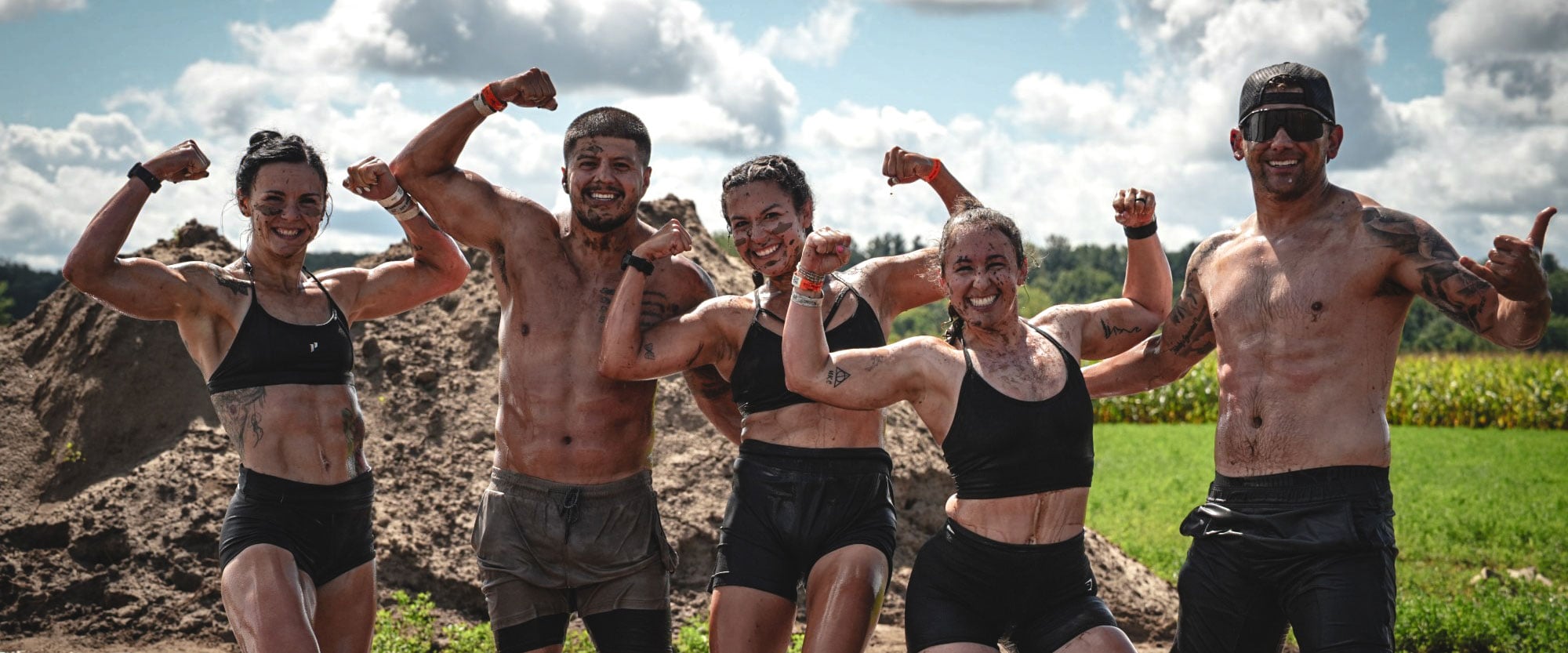
As the finish line approaches, a surge of emotion and energy often carries participants forward despite physical exhaustion. The final obstacles are strategically positioned to test your reserves, ensuring that no one reaches the end without giving their absolute best. The last few kilometers contain some of the course’s most punishing challenges, designed so that crossing the finish line feels like a genuine achievement. Your support crew or teammates become crucial motivators during these final moments. Even when every muscle screams to stop, the knowledge that the finish is near provides psychological fuel. The emotions at the finish line are profound; many participants find themselves overwhelmed with pride, relief and gratitude. Tough Mudder events end with celebration and recognition of individual achievements, making the entire experience feel validating and worthwhile.
Recovery Stations and Support
Throughout the course, aid stations provide water, electrolyte drinks and sometimes food. Learn where these stations are located and plan your fluid intake strategy accordingly. Medics are stationed at various points ready to assist anyone with injuries or serious distress. Don’t hesitate to use these resources; they exist to keep participants safe. Understanding aid station locations beforehand helps you plan your race strategy, especially regarding energy replenishment. The support crews and volunteers are integral to the race day experience, creating an atmosphere of encouragement and safety. Tough Mudder organizers prioritize participant welfare while maintaining the challenge’s integrity, ensuring you’re pushing yourself safely.
Post-Race Celebration and Community

The experience doesn’t end when you cross the finish line. Most events feature post-race celebrations with free food, drinks and an atmosphere of shared accomplishment. You’ll be covered in mud, physically drained and emotionally elevated all at once. This is when the true community aspect of obstacle racing shines. Strangers who struggled together during the race become friends who share memories of mutual hardship and triumph. Many participants immediately sign up for the next event while still in the post-race euphoria. The friendships and sense of belonging that develop through obstacle racing often inspire participants to tackle subsequent challenges. Tough Mudder events are fundamentally about more than just physical fitness; they’re about personal growth, team bonding and discovering your inner strength.