Your refrigerator’s ice and water dispenser represents convenience at its finest, cold, filtered water on demand, without the expense and hassle of bottled options. Yet many homeowners give surprisingly little thought to what happens inside that small cartridge that magically transforms tap water into something that tastes noticeably better. The filter itself is doing extraordinary work and understanding how these systems function illuminates why maintaining them properly matters so profoundly for your household’s health and water quality. A quality refrigerator water filter is often the difference between tap water and truly clean drinking water.
How Refrigerator Water Filters Actually Work
When you press your refrigerator’s water dispenser, the water passing through that cartridge encounters multiple filtration stages designed to remove or reduce contaminants. Activated carbon forms the foundation of most modern filter systems, a specially processed form of carbon with enormous surface area created through precise manufacturing. Premium-grade activated carbon creates millions of microscopic pores, essentially turning the material into a powerful contaminant trap. Quality refrigerator water filter technology has evolved significantly over the past decade.
The magic of activated carbon lies in its chemical attraction to certain molecules. As water flows through the refrigerator water filter, chlorine molecules, responsible for that unpleasant tap water taste and odor, bond to the carbon surface and remain trapped. Volatile organic compounds and many other chemical impurities follow the same principle. Beyond chemical filtration, the dense structure physically blocks sediment particles, bacteria and other suspended matter. It’s simultaneous chemical and mechanical cleaning occurring in real-time, with every glass you dispense.
What Exactly Gets Filtered Out?
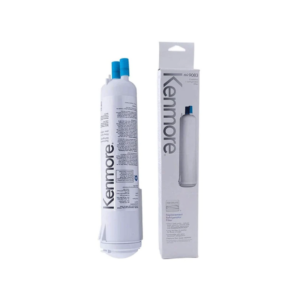
Understanding what your filter removes helps explain why quality filters deliver noticeably improved water. Chlorine and chlorine byproducts represent the primary targets, these chemicals that municipal water systems use to ensure safety taste objectionable and occasionally create concern about long-term exposure. Activated carbon effectively reduces these compounds, transforming water that smells vaguely chemical into water that tastes clean and neutral.
Beyond chlorine, quality filters address herbicides, pesticides and other chemical residues that sometimes appear in municipal water supplies. Lead represents another critical contaminant, while most modern plumbing avoids lead, older homes can experience lead leaching from pipes or connections. Sediment ranging from rust particles to mineral deposits that cause cloudiness gets physically trapped. Filters specifically targeting these contaminants improve water clarity and taste simultaneously.
- Chlorine and volatile organic compounds are chemically bonded and trapped.
- Lead and sediment are physically filtered out by the cartridge structure.
- Pesticide and herbicide residues are reduced through activated carbon absorption.
- Taste and odor issues from algae and decaying matter are eliminated.
- Mineral deposits are minimized, improving overall water clarity.
The filter design also moderates taste and odor issues from algae, fish-related compounds and decaying organic matter, problems more common in certain geographic regions or during specific seasons. What you’re essentially purchasing is water that makes sense, removing the things you can taste while preserving beneficial minerals that actually contribute to water quality.
Choosing the Right Filter for Your Refrigerator Model
Modern refrigerators come from dozens of manufacturers, each with slightly different specifications and connection types. Samsung, LG, Whirlpool, GE and other major brands use proprietary cartridge designs that aren’t universally compatible. Quality filter vendors maintain extensive compatibility information, ensuring you get the exact refrigerator water filter your specific model requires rather than wasting time on trial-and-error approaches.
Finding your filter type requires identifying your refrigerator model, typically found on the interior wall or behind the crisper drawer, then matching it to the corresponding product. The system is straightforward enough that even non-technical homeowners handle it confidently. Installation involves nothing more than locating the existing filter, removing it and inserting the new cartridge until it locks securely. Most filters twist in or push-click into place, requiring no special tools or expertise. SlavnoFilter
How Often Should You Replace Your Filter?
Most manufacturer recommendations suggest filter replacement every six months, though several factors influence optimal timing. Water quality varies significantly by location and municipal source. Hard water with high mineral content taxes filters more heavily than soft water, potentially requiring replacement every four to six months. Household water usage matters, a family of five uses dramatically more filtered water than a couple, affecting cartridge saturation rates. SlavnoFilter
Visual cues indicate when replacement becomes necessary. Noticeably slower water flow, diminished ice production or water starting to taste slightly unpleasant despite recent cleaning signals filter exhaustion. Many modern refrigerators include indicator lights that illuminate when filter life approaches its end, these lights represent excellent guidance that removes guesswork from your maintenance schedule. Rather than wondering whether replacement is necessary, let the appliance tell you. SlavnoFilter
Installation and Maintenance Made Simple
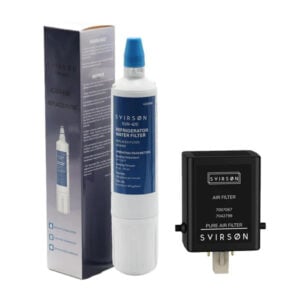
Here’s what makes quality filters genuinely valuable easy installation combined with immediately noticeable results. Products arrive with clear step-by-step instructions and the actual process takes fewer than five minutes. Locate your filter housing (usually in the interior upper right corner, though this varies by model), twist or push-release the existing cartridge and install your new filter until it seats securely. SlavnoFilter
Flushing your refrigerator’s water system after filter installation represents the only additional step. Simply dispense water for thirty seconds before consuming, this removes any residual material from the new filter that might affect initial taste. Some manufacturers recommend discarding the first few ice cubes produced, though this precaution varies based on your specific refrigerator design. Once complete, your system is optimized and ready to deliver superior filtered water. SlavnoFilter
The Long-Term Value Proposition
While replacing filters regularly requires periodic investment, the economics compared to bottled water alternatives become compelling quickly. A household that would otherwise purchase bottled water saves hundreds annually by filtering through their refrigerator. Beyond cost savings, you eliminate the environmental impact of plastic bottle waste and avoid the physical burden of transporting heavy cases from store to home.
The health implications matter equally. Quality filtering systems ensure your household consumes water that’s been deliberately treated to remove contaminants, rather than relying on hope that tap water meets your quality preferences. For families with young children, pregnant women, elderly members or immunocompromised individuals, this quality assurance provides meaningful peace of mind.
Making Your Water System Work for You
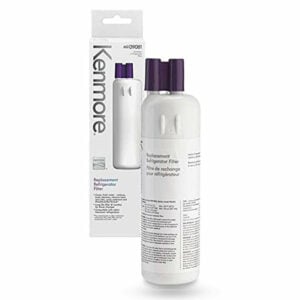
Your refrigerator likely represents one of your largest appliance investments and maintaining its water filtration system means maintaining your investment’s functionality and your household’s water quality. Quality filters transform a utilitarian feature into a genuine contributor to your family’s daily health and comfort. That crisp, clean taste that makes you actually want to drink more water, that’s not accidental. It’s the result of deliberate design and proper maintenance, delivered through quality solutions in this category.