
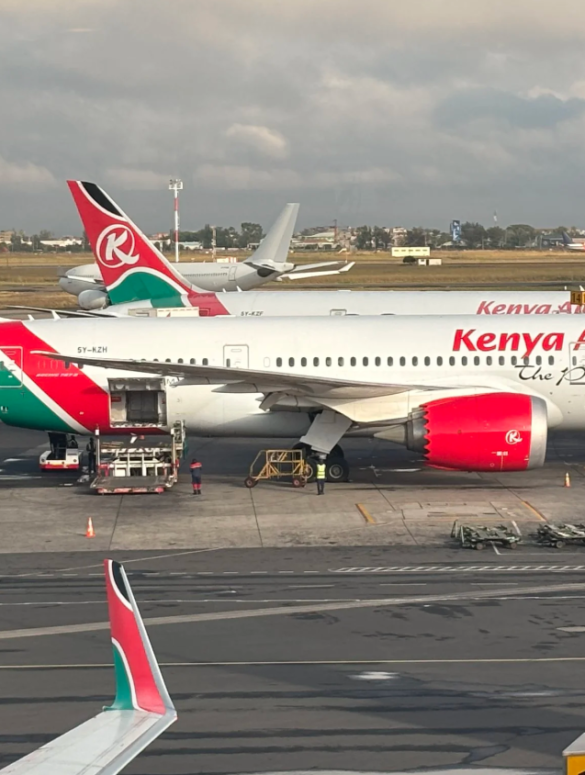
Air travel across Africa continues to evolve as airlines focus on stronger regional connectivity, modern passenger experiences, and long-term sustainability. Kenya Airways has positioned itself as one of the continent’s leading carriers by combining an extensive African route network with international destinations, modern fleet operations, and customer-focused services. Known as “The Pride of Africa,” the airline plays a major role in connecting business travelers, tourists, and global markets through Nairobi’s strategic aviation hub.
A Legacy Built on African Connectivity
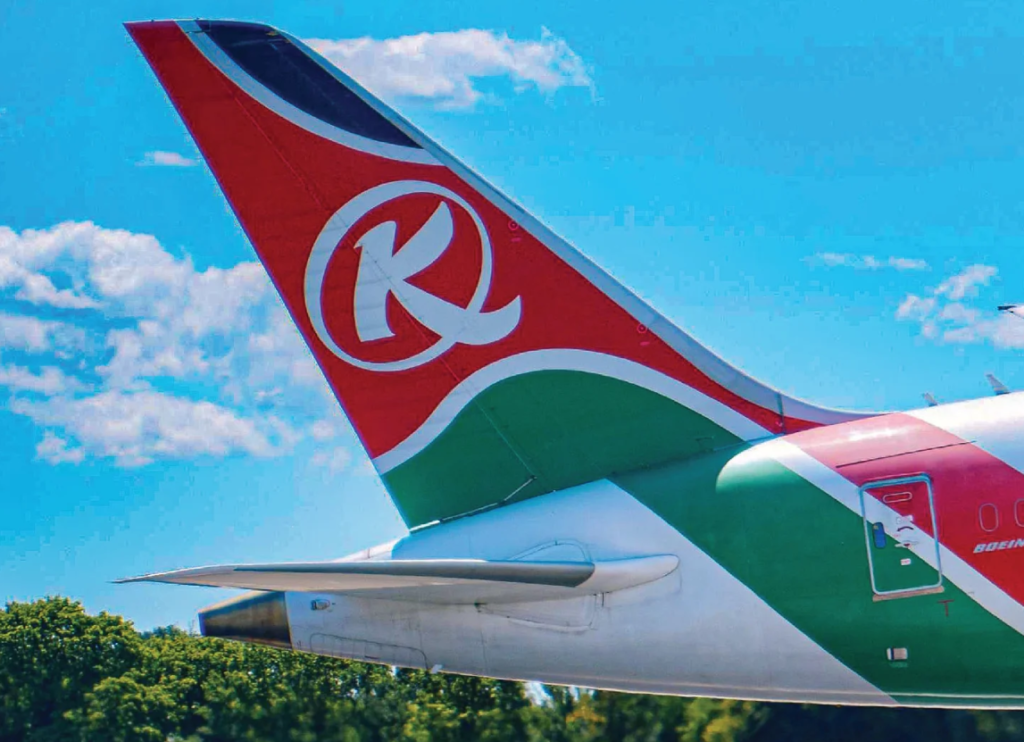
Kenya Airways was established in 1977 following the collapse of East African Airways and gradually developed into one of Africa’s most recognized airlines. Over the decades, the carrier expanded from a modest regional operator into an international airline serving destinations across Africa, Europe, the Middle East, Asia, and North America.
The airline’s growth reflects the increasing importance of African aviation within global travel and trade.
- Nairobi serves as a major gateway connecting African and international destinations.
- The airline operates an extensive network focused heavily on African cities.
- Kenya Airways became a member of the SkyTeam Alliance to improve global connectivity.
- The carrier supports tourism, business travel, and cargo transportation across multiple markets.
- Strategic partnerships expanded access to international routes and shared airline services.
- Fleet modernization improved long-haul and regional travel efficiency.
- The airline helped strengthen East Africa’s role in global aviation.
- Passenger growth reinforced Nairobi’s position as an important transit hub.
Today, Kenya Airways operates flights to more than 40 destinations worldwide, with the majority located across Africa. The airline carries millions of passengers annually while maintaining strong regional coverage throughout the continent.
Passenger Experience and Onboard Comfort

Modern travelers expect more than transportation alone. Airlines now compete through comfort, reliability, digital convenience, and service quality. Kenya Airways has continued investing in customer experience improvements designed to simplify travel and enhance passenger satisfaction.
Several features contribute to the airline’s passenger experience strategy:
- Multiple cabin classes provide options for different travel budgets and preferences.
- Online booking and digital check-in systems improve convenience.
- Airport lounge access supports premium and frequent travelers.
- Inflight entertainment enhances long-haul travel comfort.
- Regional scheduling allows easier connections across African destinations.
- Loyalty programs reward frequent passengers with travel benefits.
- Cabin crews focus on hospitality and personalized service.
- Fleet upgrades support quieter and more fuel-efficient flights.
The airline’s focus on African hospitality remains a central part of its brand identity. Travelers often choose regional carriers not only for routes but also for familiarity, cultural connection, and service consistency throughout the journey.
Fleet Modernization and Operational Efficiency

Fleet quality plays a major role in airline reliability, fuel efficiency, and passenger comfort. Kenya Airways operates a mixed fleet that includes Boeing and Embraer aircraft designed for both long-haul international routes and shorter regional flights.
Modern aircraft allow airlines to improve operational performance while reducing maintenance and fuel costs.
Key operational strengths include:
- Long-haul aircraft support intercontinental travel.
- Regional jets improve efficiency on shorter African routes.
- Fleet modernization reduces fuel consumption.
- Improved aircraft technology enhances passenger comfort.
- Advanced maintenance systems support operational reliability.
- Efficient fleet planning helps optimize route performance.
- Aircraft upgrades contribute to sustainability goals.
- Modern cabins improve the onboard travel experience.
The airline’s expansion strategy historically focused on transforming Nairobi into a major aviation hub connecting Africa with Europe, Asia, and North America. While ambitious expansion created financial challenges at different stages, the company continues restructuring and modernizing operations to strengthen long-term stability.
Challenges and Financial Transformation
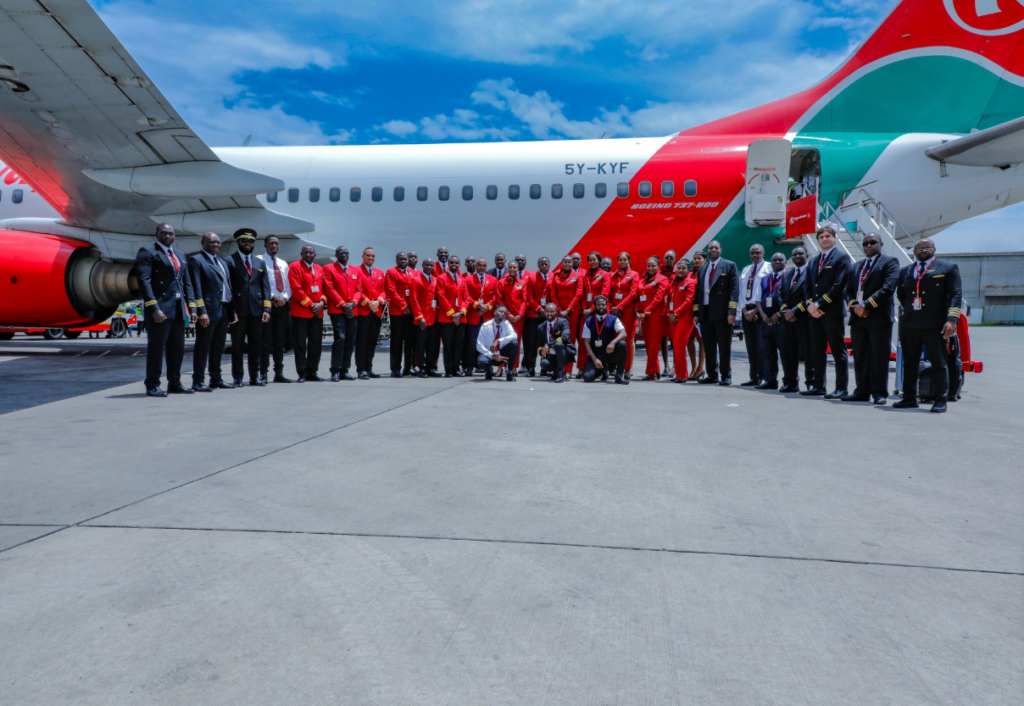
Like many global airlines, Kenya Airways experienced periods of financial difficulty linked to expansion costs, fuel prices, global economic instability, and the effects of the pandemic. The company implemented restructuring programs aimed at stabilizing operations and improving profitability.
Several major industry challenges shaped the airline’s recent transformation:
- Volatile fuel prices increased operational expenses.
- Aggressive expansion strategies created financial pressure.
- Global economic disruptions affected passenger demand.
- Competition from international carriers intensified across African markets.
- Pandemic travel restrictions severely impacted aviation revenue.
- Debt restructuring became necessary for operational recovery.
- Government and financial institutions supported restructuring initiatives.
- Operational efficiency became central to recovery planning.
Despite these obstacles, the airline continued operating critical regional and international routes while implementing recovery strategies focused on efficiency, customer service, and sustainability. The gradual recovery of international travel has supported renewed optimism around African aviation growth.
The Future of African Aviation
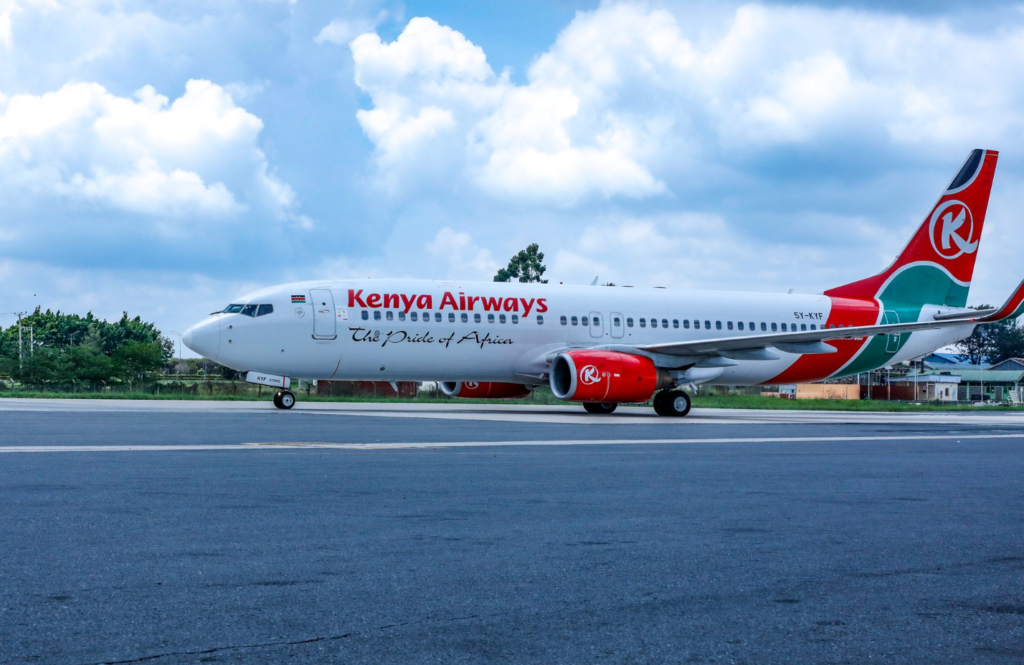
African aviation continues expanding as infrastructure improves, tourism grows, and regional business activity increases. Airlines capable of balancing operational efficiency, route expansion, customer experience, and sustainability will likely play an increasingly important role in connecting the continent to global markets.
Kenya Airways remains part of that broader transformation through its regional network, international partnerships, and continued modernization efforts. The airline’s long history reflects both the opportunities and challenges of African aviation, from early national carrier development to modern sustainability-focused operations.
As demand for regional connectivity continues growing, airlines operating within Africa are expected to become increasingly important in supporting tourism, trade, and economic integration across the continent. Kenya Airways continues positioning itself within that evolving landscape through investment in operational resilience, passenger experience, and long-term mobility solutions.